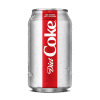
Diet Coke
Non-Alcoholic (~0% ABV) Carbonated Mixers
Diet Coke is a sugar-free carbonated cola soft drink formulated with artificial sweeteners and caffeine. In mixology it is used as a zero-sugar cola mixer, providing effervescence, caramel-like cola aromatics, and light bitterness without adding caloric sweetness.
Flavor & Technical
This section summarizes the sensory balance and technical behavior of Diet Coke when used in cocktails, combining perceived flavor intensity with functional roles.
Flavor balance and intensity
Technical characteristics
How Diet Coke works in cocktails
Diet Coke is analyzed here as a working cocktail ingredient: how it changes flavor, what role it plays in a build, when it should be substituted, and which recipe patterns it supports.
Flavor role in cocktail balance
Diet Coke presents a light, crisp cola profile with perceived sweetness from non-nutritive sweeteners, mild acidity, and gentle bitterness from caffeine and flavor extracts. Compared to regular cola, the sweetness is sharper and less rounded, with a drier finish and reduced mouthfeel due to the absence of sugar .
Best uses behind the bar
Used as a zero-sugar carbonated mixer to provide cola flavor and effervescence without increasing sweetness or viscosity. It functions primarily as a volume extender and aromatic cola carrier, often chosen where calorie reduction or a drier finish is desired. Its carbonation lifts aromas and lightens spirit-forward mixes.
Substitutes in cocktail builds
Regular cola can replace Diet Coke when sugar and fuller body are acceptable, resulting in a sweeter and rounder drink. Other diet colas offer similar function with slight differences in sweetener profile and bitterness. Sparkling water with cola bitters or extracts can approximate cola aromatics with even less sweetness, though with reduced authenticity.
Production and style context
Diet Coke was introduced in 1982 as a sugar-free cola developed to meet growing demand for low-calorie soft drinks. It became one of the most commercially successful diet sodas globally, distinct in formulation and branding from classic Coca-Cola .
Mixology notes
Unlike many diet sodas, Diet Coke has a flavor profile that differs noticeably from its sugared counterpart rather than serving as a direct replacement. Its sweetness comes from artificial sweeteners rather than sugar , which accounts for the lighter body and drier finish compared to regular cola .
Brand disclaimer
This page includes Diet Coke as an example of a branded ingredient for reference and classification purposes. Fizzando operates independently and has no commercial relationship with the brand or its producer. Brand names and trademarks are used solely to identify the products discussed.