Guinness
Alcoholic (~~4% ABV) Beer & Ales
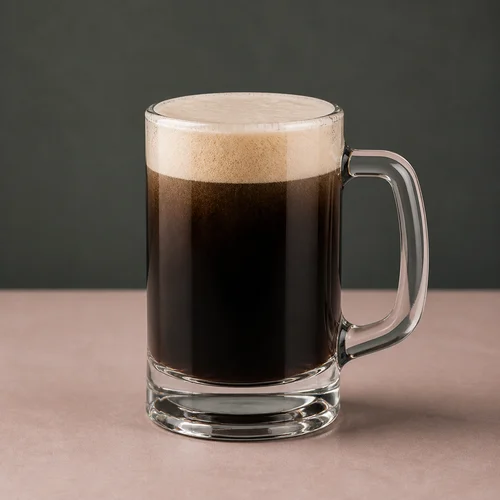
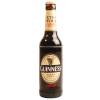
Guinness is an Irish dry stout beer characterized by roasted barley, dark color, and a creamy mouthfeel. In mixology it functions as a low-ABV beer ingredient, adding roasted, bitter, and malty depth.
Flavor & Technical
This section summarizes the sensory balance and technical behavior of Guinness when used in cocktails, combining perceived flavor intensity with functional roles.
Flavor balance and intensity
Technical characteristics
How Guinness works in cocktails
Guinness is analyzed here as a working cocktail ingredient: how it changes flavor, what role it plays in a build, when it should be substituted, and which recipe patterns it supports.
Flavor role in cocktail balance
Guinness delivers pronounced roasted malt character with notes of coffee , cocoa, and toasted grain. Bitterness is moderate, sweetness is low, and acidity is subtle. The texture is smooth and creamy due to nitrogenation.
Best uses behind the bar
Used as a beer component or float to add roasted bitterness, body, and visual contrast. It contributes depth in beer cocktails, layered drinks, and dessert-adjacent preparations rather than serving as a primary fermentable base.
Substitutes in cocktail builds
Other dry stouts such as Murphy's or Beamish provide similar roasted profiles. Porter beers can substitute with slightly more sweetness. Non-beer substitutes approximate flavor but lack the carbonation and malt complexity.
Production and style context
First brewed in Dublin in 1759, Guinness became a defining example of the Irish dry stout style. Its distinctive roasting process and later adoption of nitrogen dispense shaped its global identity.
Mixology notes
The creamy head associated with Guinness comes from nitrogen rather than carbon dioxide. Roasted barley, not malted barley, is responsible for much of its color and coffee-like bitterness.
Brand disclaimer
This page includes Guinness as an example of a branded ingredient for reference and classification purposes. Fizzando operates independently and has no commercial relationship with the brand or its producer. Brand names and trademarks are used solely to identify the products discussed.
Cocktail using Guinness
The only cocktail in our collection that features Guinness as a key ingredient.