Campari
Alcoholic (~24–28% ABV) Liqueurs & Cordials
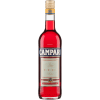
Campari is an Italian bitter liqueur characterized by a pronounced bittersweet profile and a complex blend of herbal, citrus, and root-derived aromatics. In mixology, it functions as a structural bitter component, contributing intensity, color, and backbone rather than sweetness or alcoholic strength.

Flavor & Technical
This section summarizes the sensory balance and technical behavior of Campari when used in cocktails, combining perceived flavor intensity with functional roles.
Flavor balance and intensity
Technical characteristics
How Campari works in cocktails
Campari is analyzed here as a working cocktail ingredient: how it changes flavor, what role it plays in a build, when it should be substituted, and which recipe patterns it supports.
Flavor role in cocktail balance
Campari delivers firm bitterness balanced by restrained sweetness, with dominant herbal and bitter-orange notes supported by earthy and citrus undertones. The flavor is assertive, lingering, and highly aromatic, structured to define a drink rather than soften it.
Best uses behind the bar
Used as a primary bitter modifier to define structure and bitterness. Campari serves as a core component or strong secondary modifier in stirred or built preparations, where it provides bitterness, aromatic depth, and visual identity through its intense red color.
Substitutes in cocktail builds
Other Italian bitter liqueurs can replace Campari when a bitter-driving function is required. Substitutes vary in sweetness, bitterness intensity, and herbal emphasis, yielding softer or more vegetal profiles depending on the alternative selected.
Production and style context
Campari was created in the mid-19th century in Italy by Gaspare Campari as part of the emerging aperitivo tradition. It became a reference point for bitter liqueurs and a cornerstone of Italian cocktail culture, later spreading globally through classic mixed drinks.
Mixology notes
Campari's exact recipe remains proprietary, contributing to its consistent and distinctive profile. Historically, its red color was derived from cochineal, reinforcing its iconic appearance and immediate recognizability behind the bar.
Brand disclaimer
This page includes Campari as an example of a branded ingredient for reference and classification purposes. Fizzando operates independently and has no commercial relationship with the brand or its producer. Brand names and trademarks are used solely to identify the products discussed.
Frequently paired with
These ingredients frequently appear alongside Campari in cocktail recipes, based on co-occurrence across the database.
Used with Campari in 5 cocktails
Used with Campari in 4 cocktails
Explore cocktails with Campari
Use these child hubs to compare Campari across repeated cocktail patterns instead of reading recipes one by one. Each link groups recipes by a different structural signal.
By preparation method
Preparation method shows how Campari behaves under technique: shaken for integration, stirred for clarity, built for direct length, heated for warmth, or blended for texture.


By glass
Glassware reveals serving format and dilution strategy for Campari, separating short, spirit-led serves from tall, warm, frozen, or lengthened drinks.


Cocktails using Campari
A curated selection of cocktails that showcase Campari as a defining ingredient.
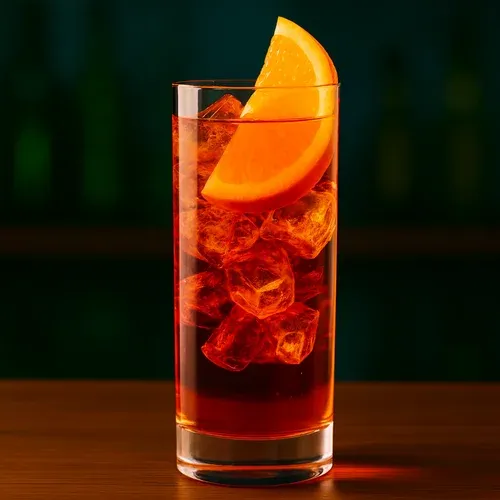
Americano
Ingredients for Americano — 4 total (3 shown, 1 more hidden).
+1

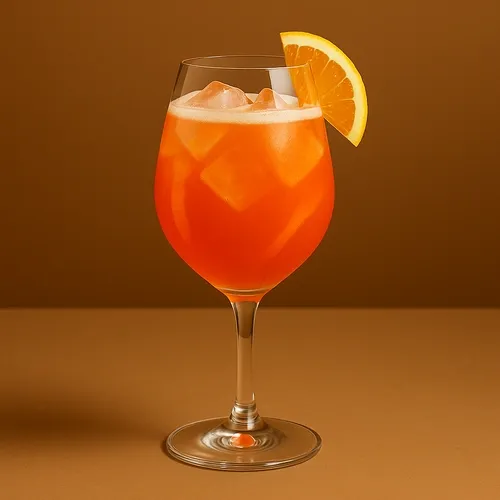
Autumn Garibaldi
Ingredients for Autumn Garibaldi — 5 total (3 shown, 2 more hidden).
+2