Serving Style
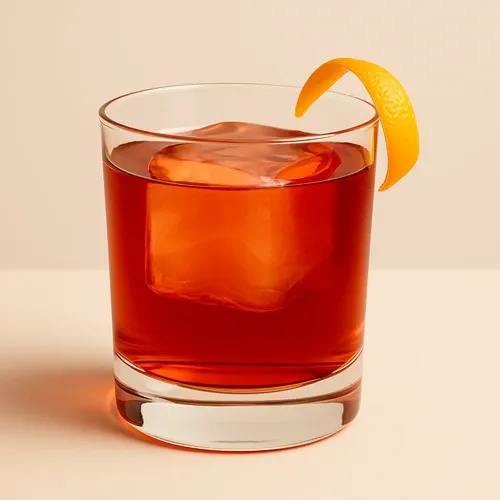
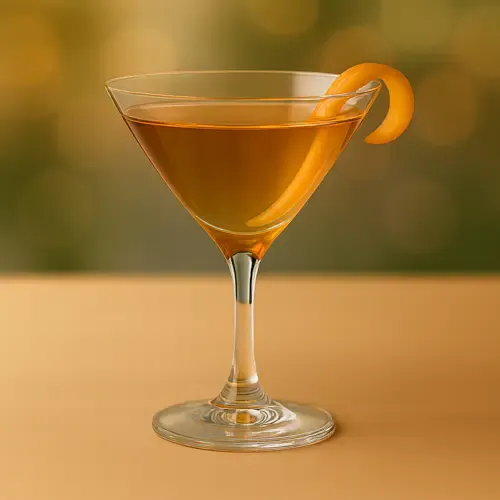
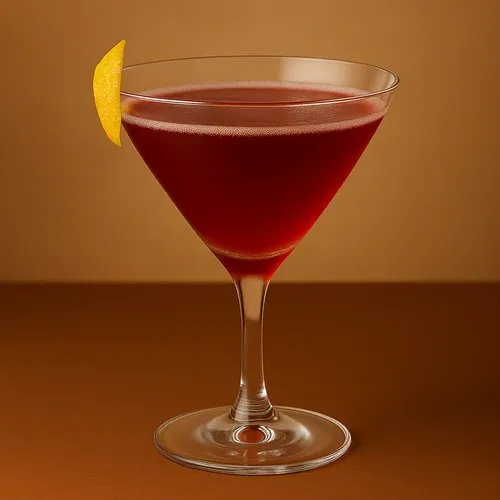
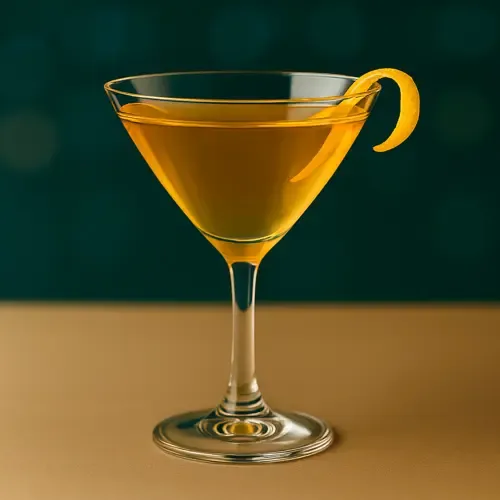
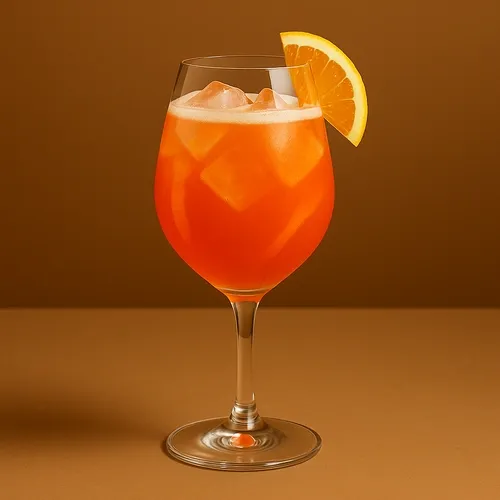
Serve in an old fashioned glass over one large cube with an expressed orange peel.
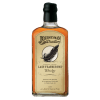
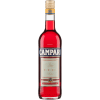
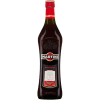
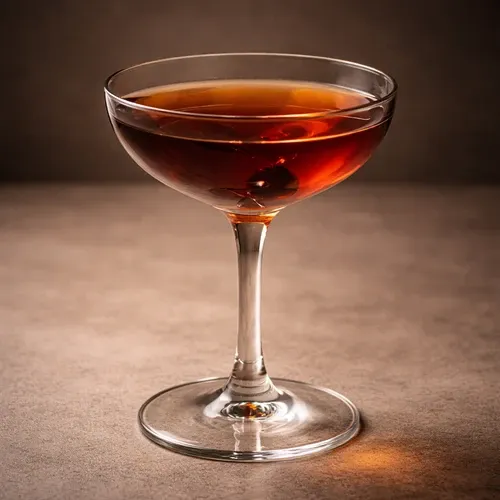
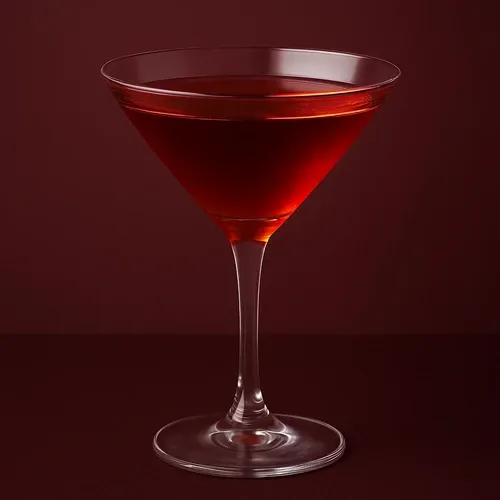
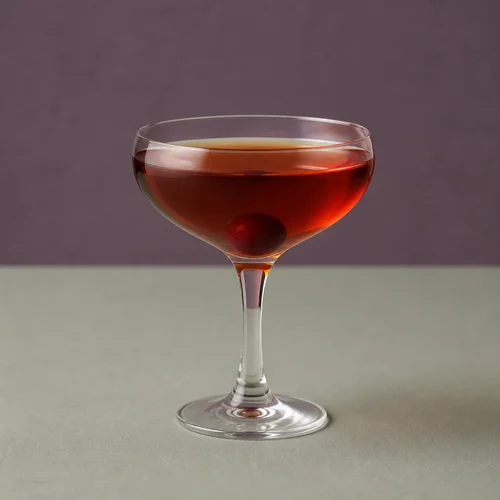
The Boulevardier should look deep red-brown, clear, and compact, with orange oil lifting the whiskey, Campari, and sweet vermouth aroma.
Food Pairings
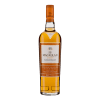
Pair it with roasted meats, charcuterie, aged cheese, mushroom dishes, bitter greens, or rich pasta. Rye whiskey, Campari, and sweet vermouth make the Boulevardier especially strong with savory richness and foods that can handle bitterness.
Origins
Created in the late 1920s by American writer Erskine Gwynne in Paris, the Boulevardier is closely related to the Negroni but replaces gin with whiskey.
That shift makes the drink warmer, deeper, and more autumnal while preserving the bitter aperitif structure.
Best Occasions
Best as a cool-weather aperitif, an evening sipper, a steakhouse cocktail, or a spirit-forward drink for guests who like Negroni-style bitterness with more whiskey depth.
Tasting Notes
Rye whiskey brings spice, grain, and warmth, Campari adds firm bitterness and red-fruit depth, sweet vermouth rounds the palate with herbs and wine sweetness, and orange peel brightens the finish.
Style & Character
Bitter, whiskey-led, elegant, worldly, and quietly intense.
Variations
Use bourbon for a softer and sweeter Boulevardier, or keep rye whiskey for a drier, spicier profile.
Adjust sweet vermouth carefully; too much can make the drink heavy, while too little can make Campari dominate.
Alcohol Strength
24%
⚠️ Alcoholic beverage: not suitable for minors, pregnant individuals, or designated drivers. Please enjoy responsibly.