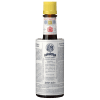
Angostura Bitters
Alcoholic (~About 44.7% ABV, but used in dashes so its contribution to final drink strength is very small.) Bitters
Angostura Bitters is a concentrated aromatic bitters known for warm spice, herbal bitterness, and its role as a cocktail seasoning.

Flavor & Technical
This section summarizes the sensory balance and technical behavior of Angostura Bitters when used in cocktails, combining perceived flavor intensity with functional roles.
Flavor balance and intensity
Technical characteristics
How Angostura Bitters works in cocktails
Angostura Bitters is analyzed here as a working cocktail ingredient: how it changes flavor, what role it plays in a build, when it should be substituted, and which recipe patterns it supports.
Flavor role in cocktail balance
Angostura Bitters delivers intense bitterness, spice, and herbal dryness, with pronounced clove , cinnamon , gentian-like bitterness, and dark botanical depth. Used in drops or dashes rather than volume, it functions as correction: sharpening sweetness, adding aromatic bass notes, and lending structural completeness to simple drinks.
Best uses behind the bar
Used in Old Fashioneds, Manhattans, Whiskey Sours, Champagne Cocktails, tiki drinks, flips, highballs, and countless house variations. It remains one of the most important micro-dose modifiers in classic cocktail structure.
Substitutes in cocktail builds
Generic aromatic bitters substitute most closely. Peychaud's Bitters is brighter and more anise-forward. Orange bitters shift the profile toward citrus and should be used only when that change is intentional.
Production and style context
Angostura Bitters was developed in the early nineteenth century by Dr. Johann Siegert in Venezuela. Originally formulated as a medicinal tonic, it later became a foundational component of classic cocktail formulation.
Mixology notes
Despite its name, Angostura Bitters does not contain angostura bark. Its oversized label and undisclosed recipe have remained distinctive features of the product for generations.
Similar ingredients (by flavor & function)
Ingredients listed here share similar flavor characteristics or functional roles with Angostura Bitters, making them comparable in certain cocktail contexts.
Comparable in recipe usage, but structured flavor data is incomplete for this ingredient.
Frequently paired with
These ingredients frequently appear alongside Angostura Bitters in cocktail recipes, based on co-occurrence across the database.
Used with Angostura Bitters in 6 cocktails
Used with Angostura Bitters in 5 cocktails
Used with Angostura Bitters in 6 cocktails
Explore cocktails with Angostura Bitters
Use these child hubs to compare Angostura Bitters across repeated cocktail patterns instead of reading recipes one by one. Each link groups recipes by a different structural signal.
By preparation method
Preparation method shows how Angostura Bitters behaves under technique: shaken for integration, stirred for clarity, built for direct length, heated for warmth, or blended for texture.


By glass
Glassware reveals serving format and dilution strategy for Angostura Bitters, separating short, spirit-led serves from tall, warm, frozen, or lengthened drinks.


Cocktails using Angostura Bitters
A curated selection of cocktails that showcase Angostura Bitters as a defining ingredient.
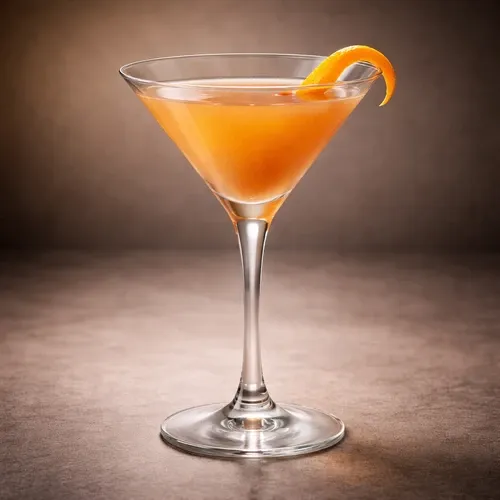
Abbey Martini
Ingredients for Abbey Martini — 5 total (3 shown, 2 more hidden).
+2

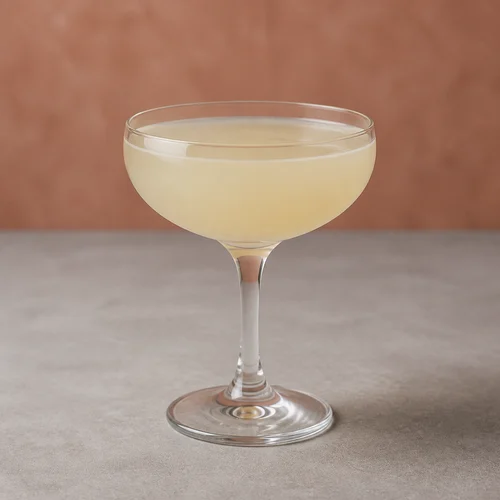
Army & Navy
Ingredients for Army & Navy — 4 total (3 shown, 1 more hidden).
+1
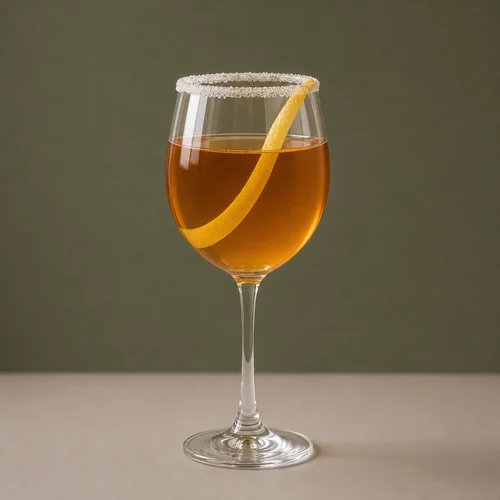
Bamboo

Ingredients for Bamboo — 4 total (3 shown, 1 more hidden).
+1