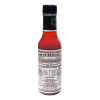
Peychaud Bitters
Alcoholic (~Usually around 35% ABV, but used in dashes.) Bitters
Peychaud's Bitters is a bright red Creole-style aromatic bitters used in cocktails for anise, cherry-like fruit, gentian bitterness, warm spice, and New Orleans identity.

Flavor & Technical
This section summarizes the sensory balance and technical behavior of Peychaud Bitters when used in cocktails, combining perceived flavor intensity with functional roles.
Flavor balance and intensity
Technical characteristics
How Peychaud Bitters works in cocktails
Peychaud Bitters is analyzed here as a working cocktail ingredient: how it changes flavor, what role it plays in a build, when it should be substituted, and which recipe patterns it supports.
Flavor role in cocktail balance
Peychaud's Bitters delivers a bitter, anise-led profile with light fruit notes, warm spice, and vivid aromatics. Its character is softer and more floral than Angostura. Applied in dashes, it imparts red color and a distinctive licorice-cherry impression, seasoning the drink without contributing meaningful volume or sweetness.
Best uses behind the bar
Used in Sazeracs, Vieux Carré variations, New Orleans-style stirred drinks, whiskey cocktails, brandy cocktails, Champagne bitters drinks, and recipes requiring anise-spice aroma without the intensity of absinthe .
Substitutes in cocktail builds
Creole-style bitters are the closest match. Angostura bitters provides bitterness and spice but lacks the red-fruit anise character. Orange bitters shifts the profile toward citrus. A minimal absinthe rinse combined with aromatic bitters can approximate part of the effect.
Similar ingredients (by flavor & function)
Ingredients listed here share similar flavor characteristics or functional roles with Peychaud Bitters, making them comparable in certain cocktail contexts.
Explore cocktails with Peychaud Bitters
Use these child hubs to compare Peychaud Bitters across repeated cocktail patterns instead of reading recipes one by one. Each link groups recipes by a different structural signal.
By preparation method
Preparation method shows how Peychaud Bitters behaves under technique: shaken for integration, stirred for clarity, built for direct length, heated for warmth, or blended for texture.


Cocktails using Peychaud Bitters
All cocktails in our collection that feature Peychaud Bitters as a core ingredient.
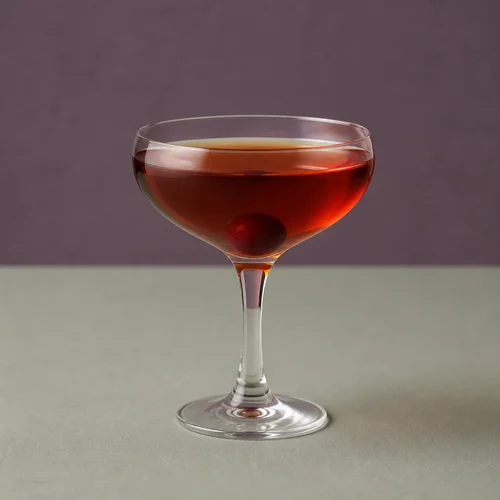
La Louisiane

Ingredients for La Louisiane — 6 total (3 shown, 3 more hidden).
+3


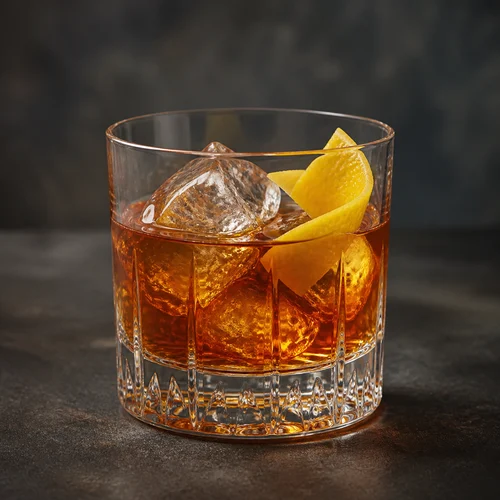
Sazerac
Ingredients for Sazerac — 5 total (3 shown, 2 more hidden).
+2