Sweet Vermouth
Alcoholic (~Usually 15-18% ABV depending on producer.) Wines & Fortified Wines
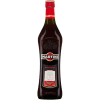
Sweet vermouth is an aromatized fortified wine flavored with botanicals, herbs, spice, and caramelized sweetness, used as a key modifier in classic cocktails.

Flavor & Technical
This section summarizes the sensory balance and technical behavior of Sweet Vermouth when used in cocktails, combining perceived flavor intensity with functional roles.
Flavor balance and intensity
Technical characteristics
How Sweet Vermouth works in cocktails
Sweet Vermouth is analyzed here as a working cocktail ingredient: how it changes flavor, what role it plays in a build, when it should be substituted, and which recipe patterns it supports.
Flavor role in cocktail balance
Sweet vermouth is wine-based, herbal, bittersweet, and gently spiced, with notes that can include wormwood , vanilla , dried fruit , orange peel , baking spice, and caramel. It adds sweetness, bitterness, acidity, and aromatic depth simultaneously, allowing it to bridge strong spirits and bitter liqueurs in drinks like the Manhattan and Negroni .
Best uses behind the bar
Used in Manhattans, Negronis, Boulevardiers, Americanos, Rob Roys, Tipperarys, vermouth highballs, and aperitif serves. It is also valuable in low-ABV cocktails, where it contributes complexity without the strength of a full base spirit.
Substitutes in cocktail builds
Punt e Mes provides additional bitterness, while Dubonnet Rouge offers a softer, fruitier profile. Dry vermouth is not a direct substitute due to its lack of sweetness. Sweet sherry or port can replace body but alter the botanical character.
Production and style context
Sweet vermouth originated in Italy in the late 18th century as an herbal fortified wine. It became foundational to classic cocktail culture in both Europe and the United States.
Similar ingredients (by flavor & function)
Ingredients listed here share similar flavor characteristics or functional roles with Sweet Vermouth, making them comparable in certain cocktail contexts.
Comparable in recipe usage, but structured flavor data is incomplete for this ingredient.
Comparable in recipe usage, but structured flavor data is incomplete for this ingredient.
Frequently paired with
These ingredients frequently appear alongside Sweet Vermouth in cocktail recipes, based on co-occurrence across the database.
Used with Sweet Vermouth in 13 cocktails
Used with Sweet Vermouth in 7 cocktails
Used with Sweet Vermouth in 4 cocktails
Used with Sweet Vermouth in 7 cocktails
Explore cocktails with Sweet Vermouth
Use these child hubs to compare Sweet Vermouth across repeated cocktail patterns instead of reading recipes one by one. Each link groups recipes by a different structural signal.
By preparation method
Preparation method shows how Sweet Vermouth behaves under technique: shaken for integration, stirred for clarity, built for direct length, heated for warmth, or blended for texture.


By glass
Glassware reveals serving format and dilution strategy for Sweet Vermouth, separating short, spirit-led serves from tall, warm, frozen, or lengthened drinks.


Cocktails using Sweet Vermouth
A curated selection of cocktails that showcase Sweet Vermouth as a defining ingredient.
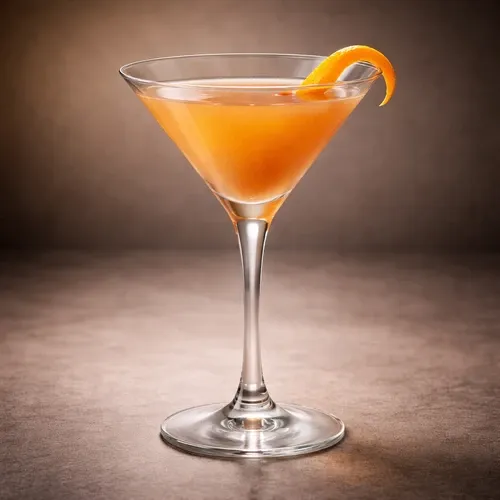
Abbey Martini
Ingredients for Abbey Martini — 5 total (3 shown, 2 more hidden).
+2

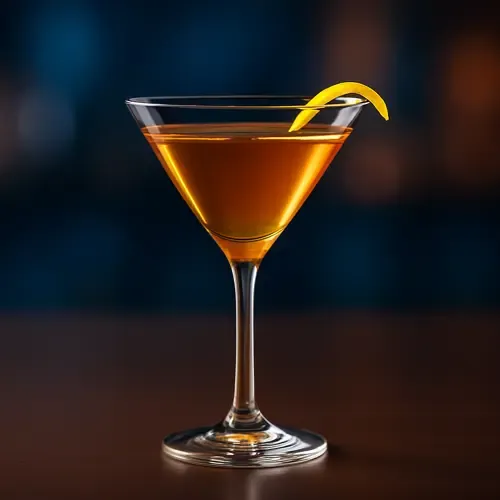
Addington
Ingredients for Addington — 4 total (3 shown, 1 more hidden).
+1
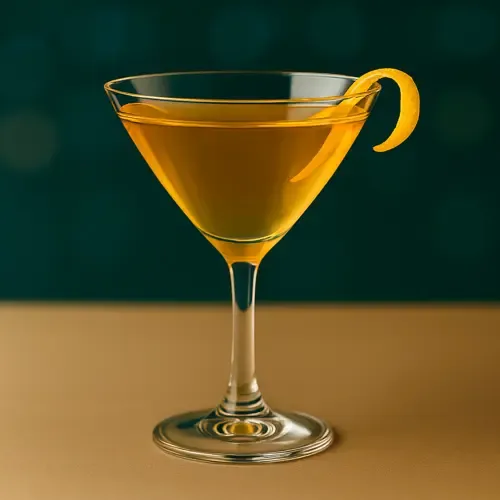
Adonis Cocktail
Ingredients for Adonis Cocktail — 4 total (3 shown, 1 more hidden).
+1