Serving Style
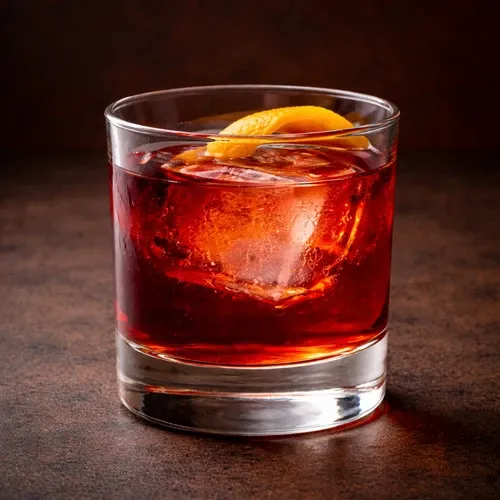
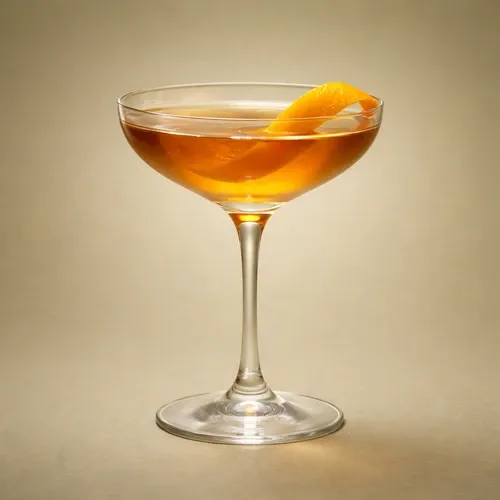
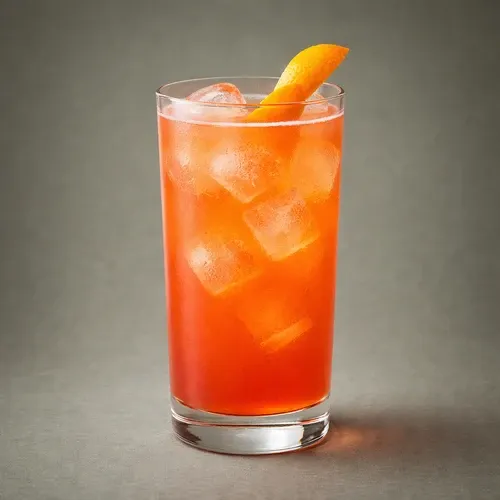
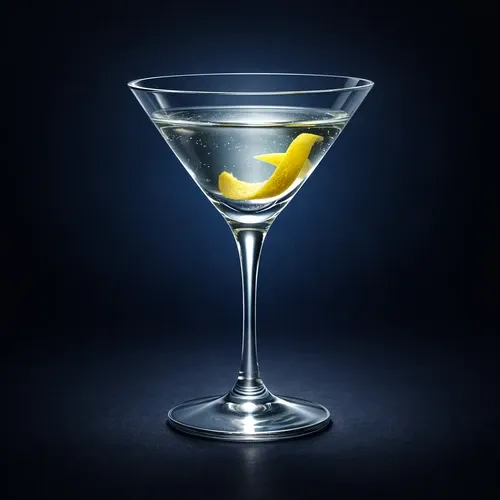
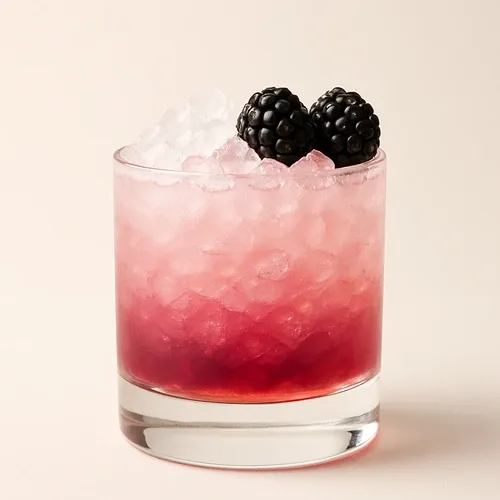
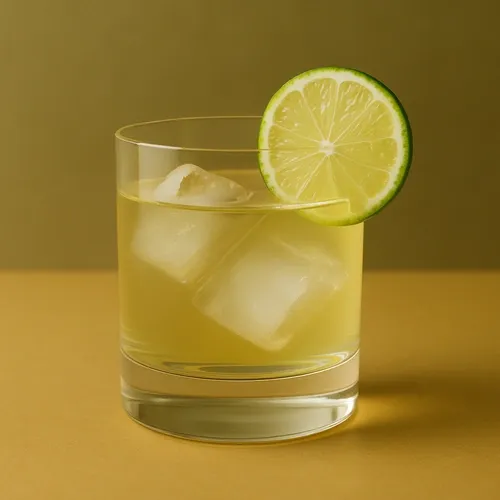
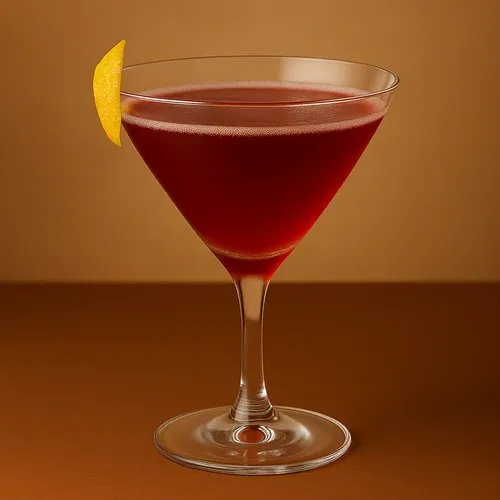
Serve over a single large ice cube in an old fashioned glass with expressed orange oils on the surface and rim.
The Negroni should look deep red, clear, and deliberate, with the orange aroma acting as a citrus counterpoint to the bitterness.
Food Pairings
Pair it with olives, cured meats, aged cheese, roasted nuts, bitter greens, or rich aperitivo snacks. Gin, Campari, and sweet vermouth make the Negroni strongest with salty, fatty, and herbal food that can stand up to bitterness.
Origins
Created in Florence, Italy, in the early 20th century, the Negroni became one of the defining aperitif cocktails.
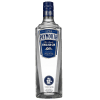
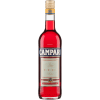
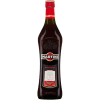
Its authority comes from the equal-parts structure of gin, Campari, and sweet vermouth, where bitterness, botanicals, and wine sweetness stay in tension.
Best Occasions
Best before dinner, during aperitivo, on bitter cocktail menus, or for slow evening drinking. It suits moments where the drink should be compact, aromatic, and appetite-opening rather than light or juicy.
Tasting Notes
Orange oils lead the aroma, gin adds botanicals, Campari gives firm bitterness and red-fruit depth, and sweet vermouth rounds the palate with herbs and wine sweetness.
The finish should be long, dry, bitter, and cleansing.
Style & Character
Bitter, elegant, assertive, Italian, and structurally iconic.
Variations
Replacing gin with whiskey turns the structure toward a Boulevardier; replacing gin with sparkling wine moves it toward a Negroni Sbagliato.
Keep the bitter-sweet-vermouth balance clear so the drink remains recognizably Negroni-led.
Alcohol Strength
26%
⚠️ Alcoholic beverage: not suitable for minors, pregnant individuals, or designated drivers. Please enjoy responsibly.