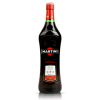
Martini Rosso
Alcoholic (~14% ABV) Wines & Fortified Wines
Martini Rosso is a classic Italian sweet red vermouth known for its rich herbal aromatics, warm spice, and balanced sweetness.
Flavor & Technical
This section summarizes the sensory balance and technical behavior of Martini Rosso when used in cocktails, combining perceived flavor intensity with functional roles.
Flavor balance and intensity
Technical characteristics
How Martini Rosso works in cocktails
Martini Rosso is analyzed here as a working cocktail ingredient: how it changes flavor, what role it plays in a build, when it should be substituted, and which recipe patterns it supports.
Flavor role in cocktail balance
Martini Rosso delivers a rich sweet-vermouth profile built on herbal depth, warm spice, and rounded sweetness with a gentle bitter edge. Dried fruit tones and a slightly oxidative richness add weight, while the finish remains structured by botanicals rather than overt acidity. Compared to bianco vermouth , it presents darker, more bitter, and spicier characteristics; compared to extra-dry vermouth, it offers greater sweetness and fuller body.
Best uses behind the bar
Martini Rosso functions as a sweet red vermouth to add herbal depth, warm spice, and balanced sweetness. It provides structure and bitterness in spirit-forward and aperitif-style builds, increasing aromatic complexity and perceived richness. It may also be served as an aperitif on its own.
Substitutes in cocktail builds
Other sweet red vermouths can substitute for Martini Rosso, offering comparable sweetness and herbal intensity. Substitutes may vary in vanilla character, bitterness level, and oxidative richness, resulting in slightly different balance and aroma profiles.
Production and style context
Martini Rosso was first produced in 1863 in Turin, Italy, and is widely regarded as the original Martini vermouth . Its blend of wines and botanicals helped establish sweet red vermouth as a cornerstone of Italian aperitif culture.
Mixology notes
Martini Rosso's dark hue is primarily achieved through caramelized sugar rather than red grape skins. Its global distribution and long-standing popularity have made it one of the most recognizable vermouth styles worldwide.
Brand disclaimer
This page includes Martini Rosso as an example of a branded ingredient for reference and classification purposes. Fizzando operates independently and has no commercial relationship with the brand or its producer. Brand names and trademarks are used solely to identify the products discussed.