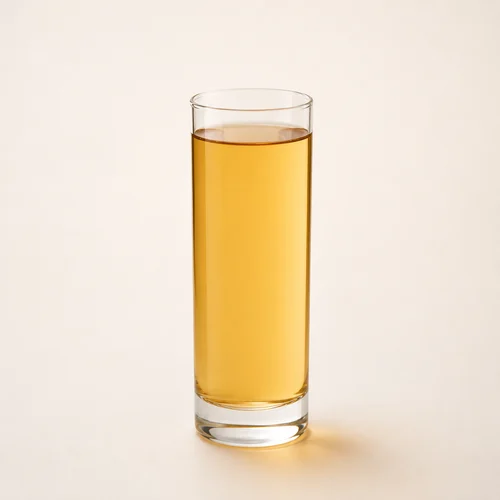
Vermouth
Alcoholic (~15% ABV) Wines & Fortified Wines
Vermouth is an aromatized, fortified wine infused with botanicals such as herbs, roots, barks, spices, and flowers, traditionally defined by the presence of wormwood.
Flavor & Technical
This section summarizes the sensory balance and technical behavior of Vermouth when used in cocktails, combining perceived flavor intensity with functional roles.
Flavor balance and intensity
Technical characteristics
How Vermouth works in cocktails
Vermouth is analyzed here as a working cocktail ingredient: how it changes flavor, what role it plays in a build, when it should be substituted, and which recipe patterns it supports.
Flavor role in cocktail balance
Vermouth delivers a structured aromatized-wine profile built on herbal complexity, controlled bitterness, and a balancing framework of acidity and sweetness. Botanical aromatics—often including wormwood-derived bitterness—create a layered, aromatic contour that ranges from dry and crisp to sweet and richly spiced depending on style. Unlike plain fortified wines, vermouth is defined by botanical infusion rather than oxidation or grape character alone.
Best uses behind the bar
Vermouth functions as an aromatized fortified wine modifier that introduces herbal complexity, bitterness control, and structural balance. It serves as an aromatic bridge in spirit-forward and wine-based builds and is also employed in cooking to add depth, bitterness, and botanical nuance to sauces, marinades, and reductions.
Substitutes in cocktail builds
Depending on desired balance, fortified wines such as sherry or aromatized wines like Lillet can substitute for vermouth, though substitutes typically alter sweetness, bitterness, or botanical intensity. Quinine-based aperitifs may approximate bitterness and aromatics but do not replicate vermouth's full herbal structure and wine balance.
Production and style context
Vermouth developed in the late 18th century in Italy, particularly in Turin, where fortified wines were infused with botanicals and wormwood for digestive and medicinal purposes. It later spread across Europe and became foundational to classic cocktail culture in the late 19th and early 20th centuries.
Cocktail using Vermouth
The only cocktail in our collection that features Vermouth as a key ingredient.