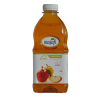
Apple Juice
Non-Alcoholic (~0% ABV) Fruit Juices (Non-Citrus)
Apple juice is a clarified fruit juice obtained from pressed apples and used in mixology for its clean sweetness, gentle malic acidity, and smooth texture. Its clarity and low tannin content allow it to integrate easily without overpowering other ingredients.

Flavor & Technical
This section summarizes the sensory balance and technical behavior of Apple Juice when used in cocktails, combining perceived flavor intensity with functional roles.
Flavor balance and intensity
Technical characteristics
How Apple Juice works in cocktails
Apple Juice is analyzed here as a working cocktail ingredient: how it changes flavor, what role it plays in a build, when it should be substituted, and which recipe patterns it supports.
Flavor role in cocktail balance
Apple juice offers rounded natural sweetness with soft malic acidity and a clear apple-forward character. Compared to apple cider , it is smoother, less tannic, and more neutral in texture, contributing balance and fruit body rather than sharpness or structure.
Best uses behind the bar
Apple juice is used as a non-alcoholic mixer to provide natural sweetness, gentle acidity, and fruit body. It commonly functions as a volume extender and softening element, supporting approachable, fruit-driven structures without dominating the overall profile.
Substitutes in cocktail builds
Apple cider can substitute apple juice when a more rustic profile with higher acidity and light tannins is desired. Pear juice offers similar sweetness and mouthfeel with a softer aroma, while apple syrup can replace juice in small quantities for concentrated sweetness at the expense of freshness.
Production and style context
Apple juice has been produced since antiquity in apple-growing regions, originally consumed fresh or lightly fermented. Clarified apple juice became widespread in the 19th and 20th centuries with the development of industrial pressing, filtration, and pasteurization methods.
Mixology notes
Because it lacks the tannins and natural carbonation of apple cider , clarified apple juice integrates more cleanly into mixed drinks. Its acidity is driven primarily by malic acid , which is perceived as softer and rounder than citrus-based acidity.
Often paired with
These ingredients frequently appear alongside Apple Juice in cocktail recipes, based on co-occurrence across the database.
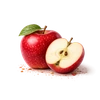
Used with Apple Juice in 4 cocktails
Explore cocktails with Apple Juice
Use these child hubs to compare Apple Juice across repeated cocktail patterns instead of reading recipes one by one. Each link groups recipes by a different structural signal.
By preparation method
Preparation method shows how Apple Juice behaves under technique: shaken for integration, stirred for clarity, built for direct length, heated for warmth, or blended for texture.


By glass
Glassware reveals serving format and dilution strategy for Apple Juice, separating short, spirit-led serves from tall, warm, frozen, or lengthened drinks.


Cocktails using Apple Juice
A curated selection of cocktails that showcase Apple Juice as a defining ingredient.
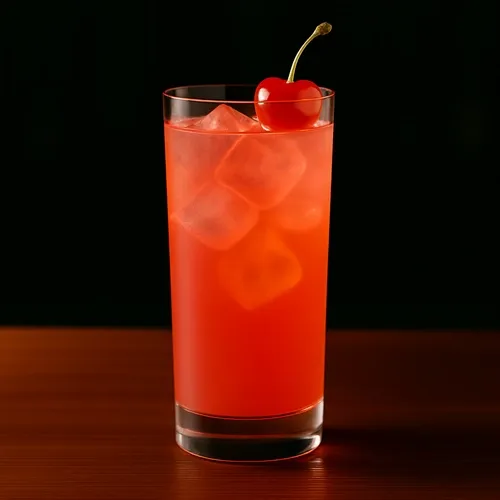
Apello

Ingredients for Apello — 4 total (3 shown, 1 more hidden).
+1

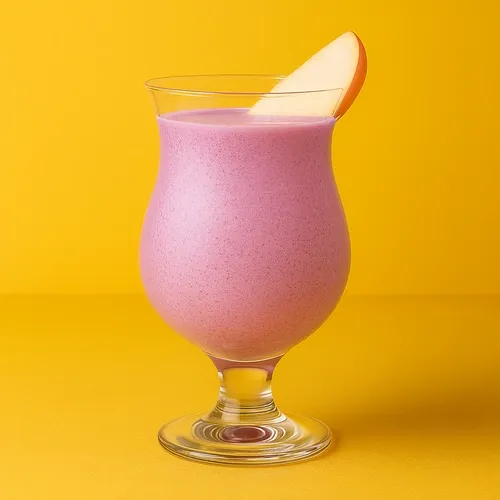
Apple Berry Smoothie

Ingredients for Apple Berry Smoothie — 4 total (3 shown, 1 more hidden).
+1
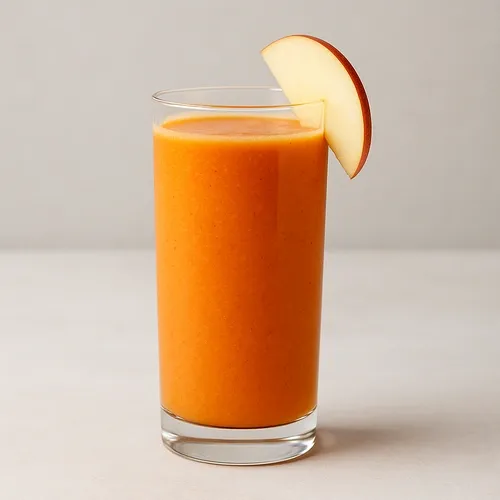
Apple Karate
Ingredients for Apple Karate — 3 total (3 shown).