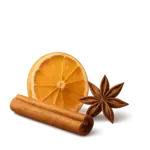
Cinnamon
Non-Alcoholic (~0% ABV) Spices
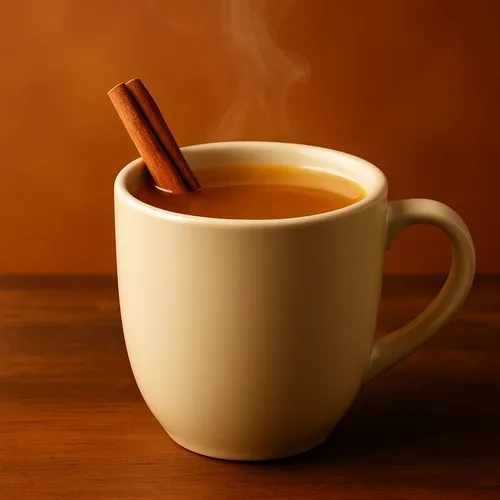
Cinnamon is a warm, aromatic spice derived from the inner bark of trees, valued for its sweet-spicy aroma and woody heat.

Flavor & Technical
This section summarizes the sensory balance and technical behavior of Cinnamon when used in cocktails, combining perceived flavor intensity with functional roles.
Flavor balance and intensity
Technical characteristics
How Cinnamon works in cocktails
Cinnamon is analyzed here as a working cocktail ingredient: how it changes flavor, what role it plays in a build, when it should be substituted, and which recipe patterns it supports.
Flavor role in cocktail balance
Cinnamon delivers a warming spice profile defined by sweet aromatic heat, woody undertones, and gentle bitterness. Its flavor is bold yet rounded, contributing warmth, perceived sweetness, and aromatic lift rather than acidity or freshness. Even in small quantities, cinnamon exerts a strong structural impact on aroma and finish.
Best uses behind the bar
Cinnamon is used as a spice modifier to add warmth, sweetness perception, and aromatic depth. It is commonly infused, muddled, or used as a garnish to reinforce spice-driven profiles, and proves especially effective in cold-weather, spirit-forward, and heated preparations.
Substitutes in cocktail builds
Clove or nutmeg can substitute for cinnamon when a warm spice character is required, though clove is sharper and more medicinal while nutmeg is softer and rounder. All substitutes shift balance and intensity compared to cinnamon's distinctive sweet heat.
Production and style context
Cinnamon has been traded and valued for thousands of years, originating in South and Southeast Asia. In antiquity it was prized for medicinal, culinary, and ritual use, and its trade played a significant role in the development of early global spice routes.
Mixology notes
Cinnamon was once considered more valuable than gold in parts of the ancient world. Its aroma comes from cinnamaldehyde, the compound responsible for its characteristic sweetness and warming sensation.
Explore cocktails with Cinnamon
Use these child hubs to compare Cinnamon across repeated cocktail patterns instead of reading recipes one by one. Each link groups recipes by a different structural signal.
By preparation method
Preparation method shows how Cinnamon behaves under technique: shaken for integration, stirred for clarity, built for direct length, heated for warmth, or blended for texture.


By glass
Glassware reveals serving format and dilution strategy for Cinnamon, separating short, spirit-led serves from tall, warm, frozen, or lengthened drinks.


Cocktails using Cinnamon
A curated selection of cocktails that showcase Cinnamon as a defining ingredient.
Angelica Liqueur


Ingredients for Angelica Liqueur — 12 total (3 shown, 9 more hidden).
+9


Apple Cider Punch
Ingredients for Apple Cider Punch — 8 total (3 shown, 5 more hidden).
+5
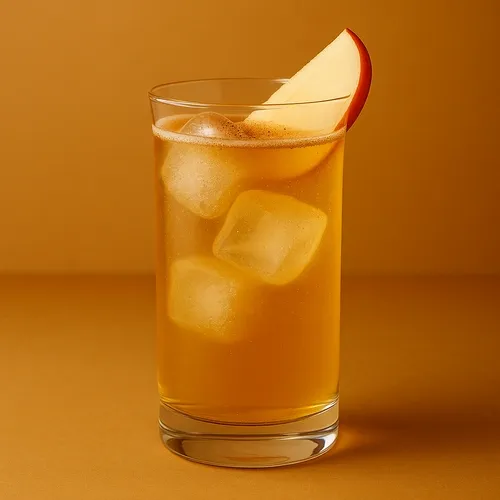
Apple Grande
Ingredients for Apple Grande — 4 total (3 shown, 1 more hidden).
+1