Brown Sugar
Non-Alcoholic (~0% ABV) Salts & Sugars
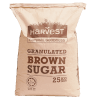
Brown sugar is a crystalline sweetener composed of sucrose with residual molasses content. In mixology it is valued for its deeper sweetness and subtle molasses note, contributing mild aromatic depth compared to white sugar when properly dissolved or used as a rimming ingredient.

Flavor & Technical
This section summarizes the sensory balance and technical behavior of Brown Sugar when used in cocktails, combining perceived flavor intensity with functional roles.
Flavor balance and intensity
Technical characteristics
How Brown Sugar works in cocktails
Brown Sugar is analyzed here as a working cocktail ingredient: how it changes flavor, what role it plays in a build, when it should be substituted, and which recipe patterns it supports.
Flavor role in cocktail balance
Brown sugar delivers pronounced sweetness with a light molasses-driven caramel nuance. Aromatic intensity remains low and secondary to its sweetening function, with no acidity or bitterness. Its flavor impact is gentle and supportive rather than dominant, particularly once fully dissolved.
Best uses behind the bar
Used as a solid sweetener and rimming agent. Brown sugar is typically applied on glass rims for textural contrast or dissolved in advance to create sweetening solutions. It functions as a sweetness driver with a subtle molasses undertone, adding roundness rather than aromatic complexity.
Substitutes in cocktail builds
White sugar combined with a small amount of molasses can replicate brown sugar's functional role. Liquid sweeteners such as honey or maple syrup provide comparable sweetness but alter texture, dilution, and mouthfeel.
Production and style context
Brown sugar has been produced for centuries as a less refined form of sugar retaining molasses from the cane processing stage. Its use predates modern refining techniques and has remained a common sweetener where a slightly richer profile than white sugar is desired.
Mixology notes
The defining characteristic of brown sugar is its molasses content, which affects moisture and dissolution behavior. In cocktails, this requires prior dissolution to avoid undissolved crystals in cold preparations.
Explore cocktails with Brown Sugar
Use these child hubs to compare Brown Sugar across repeated cocktail patterns instead of reading recipes one by one. Each link groups recipes by a different structural signal.
By preparation method
Preparation method shows how Brown Sugar behaves under technique: shaken for integration, stirred for clarity, built for direct length, heated for warmth, or blended for texture.

By glass
Glassware reveals serving format and dilution strategy for Brown Sugar, separating short, spirit-led serves from tall, warm, frozen, or lengthened drinks.


Cocktails using Brown Sugar
All cocktails in our collection that feature Brown Sugar as a core ingredient.
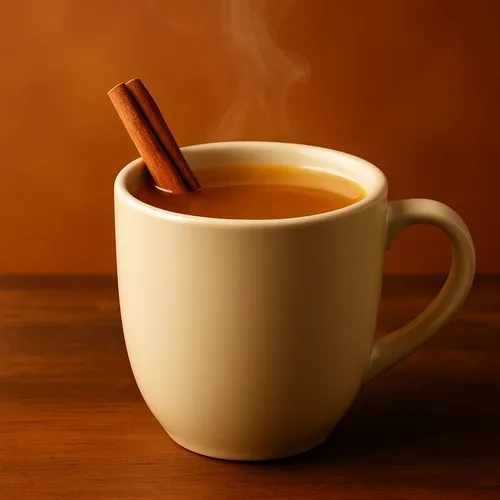
Apple Cider Punch
Ingredients for Apple Cider Punch — 8 total (3 shown, 5 more hidden).
+5

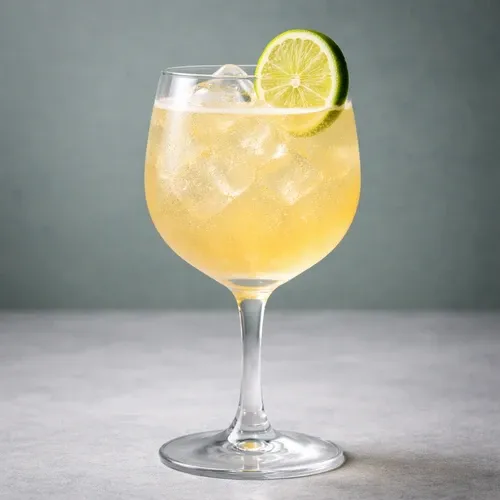
Ipamena


Ingredients for Ipamena — 5 total (3 shown, 2 more hidden).
+2

Spiced Peach Punch
Ingredients for Spiced Peach Punch — 6 total (3 shown, 3 more hidden).
+3