Honey
Non-Alcoholic (~0% ABV) Syrups & Sweeteners
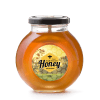
Honey is a natural sweetener produced by bees from flower nectar. In mixology it provides sweetness, viscosity, and distinctive floral character that varies by botanical source.

Flavor & Technical
This section summarizes the sensory balance and technical behavior of Honey when used in cocktails, combining perceived flavor intensity with functional roles.
Flavor balance and intensity
Technical characteristics
How Honey works in cocktails
Honey is analyzed here as a working cocktail ingredient: how it changes flavor, what role it plays in a build, when it should be substituted, and which recipe patterns it supports.
Flavor role in cocktail balance
Honey delivers medium to high sweetness with floral, lightly earthy notes and gentle caramelized undertones. Acidity is low, bitterness is minimal, and its viscosity contributes a rounded, coating mouthfeel.
Best uses behind the bar
Used as a natural sweetener to add depth and aroma in cocktails, often diluted into honey syrup for better integration. It pairs well with whiskey , gin , and rum , and appears frequently in hot toddies and stirred or shaken classics seeking softer sweetness.
Substitutes in cocktail builds
Agave nectar offers similar viscosity with a cleaner, less floral profile. Maple syrup provides deeper caramel notes and more pronounced flavor. Simple syrup replaces the sweetness but lacks honey's aromatic complexity.
Production and style context
Honey has been harvested and used by humans for thousands of years as one of the earliest sweeteners. It played an important role in ancient cuisines and beverages, including early fermented drinks such as mead.
Mixology notes
Honey's flavor varies widely depending on floral source, affecting both sweetness perception and aroma. Because of its thickness, bartenders often pre-dilute it with warm water to create honey syrup for consistent mixing.
Explore cocktails with Honey
Use these child hubs to compare Honey across repeated cocktail patterns instead of reading recipes one by one. Each link groups recipes by a different structural signal.
By preparation method
Preparation method shows how Honey behaves under technique: shaken for integration, stirred for clarity, built for direct length, heated for warmth, or blended for texture.

By glass
Glassware reveals serving format and dilution strategy for Honey, separating short, spirit-led serves from tall, warm, frozen, or lengthened drinks.


Cocktails using Honey
A curated selection of cocktails that showcase Honey as a defining ingredient.
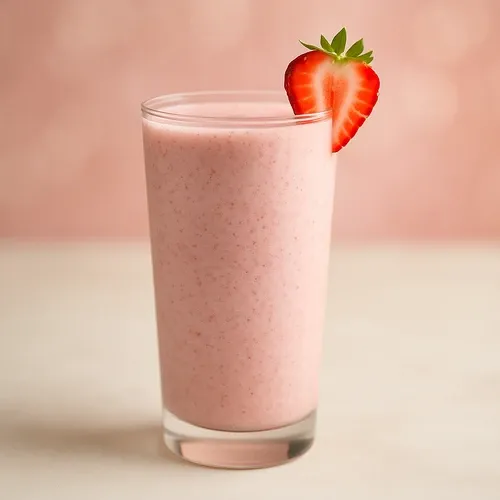
Banana Strawberry Shake
Ingredients for Banana Strawberry Shake — 6 total (3 shown, 3 more hidden).
+3

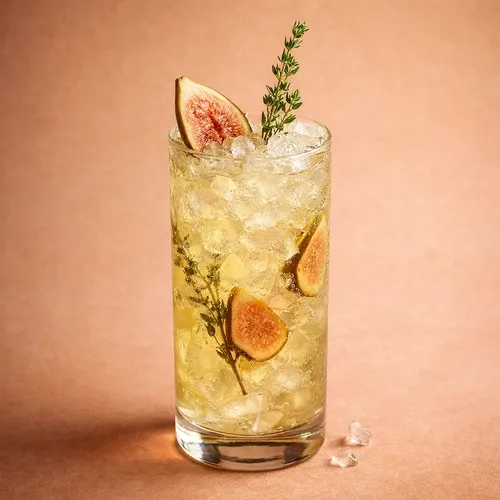
Figgy Thyme

Ingredients for Figgy Thyme — 7 total (3 shown, 4 more hidden).
+4