Yoghurt
Non-Alcoholic (~0% ABV) Dairy & Eggs
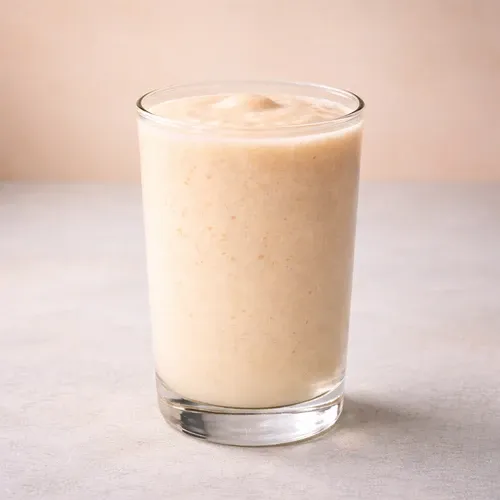
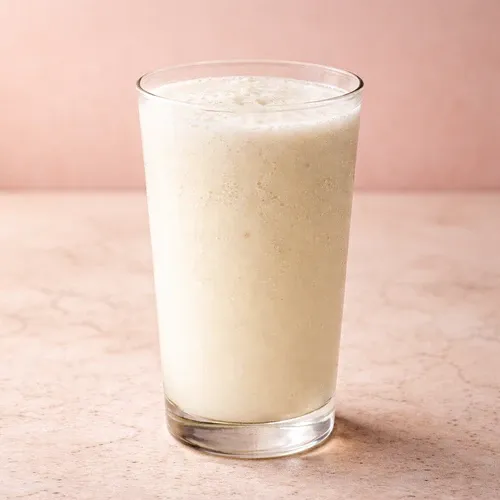
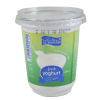
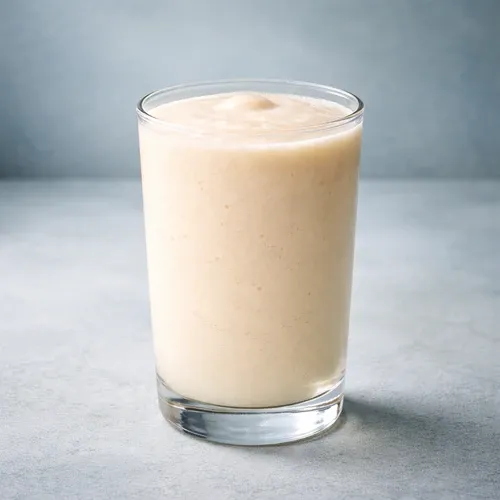
Yoghurt is a fermented dairy ingredient used in cocktails to add creamy body, lactic tang, soft acidity, and smoothie-like texture.

Flavor & Technical
This section summarizes the sensory balance and technical behavior of Yoghurt when used in cocktails, combining perceived flavor intensity with functional roles.
Flavor balance and intensity
Technical characteristics
How Yoghurt works in cocktails
Yoghurt is analyzed here as a working cocktail ingredient: how it changes flavor, what role it plays in a build, when it should be substituted, and which recipe patterns it supports.
Flavor role in cocktail balance
Yoghurt delivers a creamy, tangy profile with light sourness and gentle sweetness that varies by style. It contributes a cultured dairy note brighter than cream and thicker than milk . Its acidity complements fruit while its fat and protein content softens alcohol heat, making it particularly effective in blended and dessert-leaning drinks.
Best uses behind the bar
Used in smoothies, lassi-inspired cocktails, frozen fruit drinks, dairy sours, brunch drinks, dessert serves, and non-alcoholic blended cocktails. Plain yoghurt offers better control than sweetened or flavored varieties.
Substitutes in cocktail builds
Greek yoghurt provides greater thickness and tang . Kefir is thinner and more acidic. Coconut yoghurt works for dairy-free tropical applications. Milk or cream can replace texture but lack the fermented acidity.
Production and style context
Yoghurt originated in Central Asia and has been consumed for thousands of years as a fermented milk product. Its controlled acidity and creamy texture have made it a staple in many culinary traditions and, more recently, in blended cocktail-style preparations.
Mixology notes
The acidity of yoghurt comes from lactic acid produced during fermentation, which is softer and rounder than citrus acidity. Its thickness varies by style, influencing dilution, mouthfeel, and integration in drinks.
Frequently paired with
These ingredients frequently appear alongside Yoghurt in cocktail recipes, based on co-occurrence across the database.
Used with Yoghurt in 5 cocktails
Explore cocktails with Yoghurt
Use these child hubs to compare Yoghurt across repeated cocktail patterns instead of reading recipes one by one. Each link groups recipes by a different structural signal.
By preparation method
Preparation method shows how Yoghurt behaves under technique: shaken for integration, stirred for clarity, built for direct length, heated for warmth, or blended for texture.


By glass
Glassware reveals serving format and dilution strategy for Yoghurt, separating short, spirit-led serves from tall, warm, frozen, or lengthened drinks.


Cocktails using Yoghurt
A curated selection of cocktails that showcase Yoghurt as a defining ingredient.
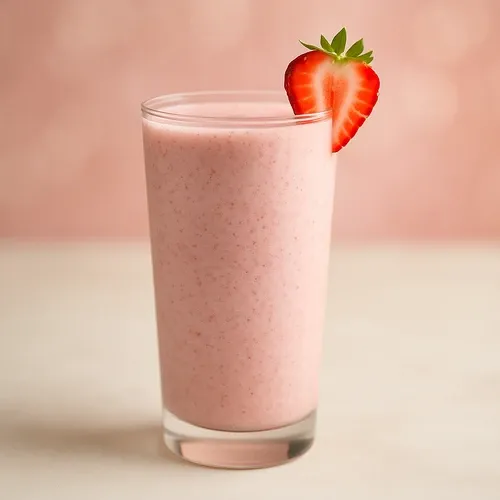
Banana Strawberry Shake
Ingredients for Banana Strawberry Shake — 6 total (3 shown, 3 more hidden).
+3

Fruit Flip-Flop
Ingredients for Fruit Flip-Flop — 2 total (2 shown).