Salt
Non-Alcoholic (~0% ABV) Salts & Sugars (Rimming/Specialty)
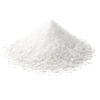
Salt is a non-alcoholic seasoning used in cocktails primarily to enhance and balance flavors. In mixology, it is most commonly applied as a glass rim or used in very small amounts to heighten sweetness, acidity, and overall perception.

Flavor & Technical
This section summarizes the sensory balance and technical behavior of Salt when used in cocktails, combining perceived flavor intensity with functional roles.
Flavor balance and intensity
Technical characteristics
How Salt works in cocktails
Salt is analyzed here as a working cocktail ingredient: how it changes flavor, what role it plays in a build, when it should be substituted, and which recipe patterns it supports.
Flavor role in cocktail balance
Salt contributes a clean, savory salinity that enhances other flavors rather than asserting its own. It amplifies sweetness and acidity, rounds bitterness, and increases overall flavor perception without adding aroma.
Best uses behind the bar
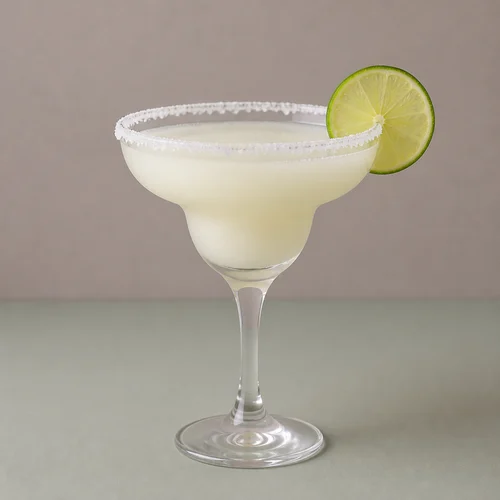
Salt is used to rim cocktail glasses, particularly in drinks like Margaritas and Palomas, or added in pinches or drops of saline solution to balance sweetness and acidity. It proves especially effective in savory cocktails and citrus-forward recipes.
Substitutes in cocktail builds
Saline solution, flavored salts, or citrus zest can substitute plain salt depending on the desired effect. In sweet cocktails, a small amount of sugar may provide balance, though it does not replicate salt's savory enhancement.
Production and style context
Salt has been used for centuries as a seasoning and preservative in food and drink. Its role in enhancing flavor made it a natural addition to cocktails, particularly as glass rims and, more recently, as measured saline solutions in modern mixology.
Mixology notes
A tiny amount of salt can significantly enhance perceived sweetness and suppress bitterness in drinks. Many modern bartenders use saline solutions to apply salt precisely without overpowering the cocktail.
Frequently paired with
These ingredients frequently appear alongside Salt in cocktail recipes, based on co-occurrence across the database.
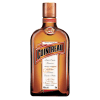
Explore cocktails with Salt
Use these child hubs to compare Salt across repeated cocktail patterns instead of reading recipes one by one. Each link groups recipes by a different structural signal.
By preparation method
Preparation method shows how Salt behaves under technique: shaken for integration, stirred for clarity, built for direct length, heated for warmth, or blended for texture.


By glass
Glassware reveals serving format and dilution strategy for Salt, separating short, spirit-led serves from tall, warm, frozen, or lengthened drinks.


Cocktails using Salt
A curated selection of cocktails that showcase Salt as a defining ingredient.
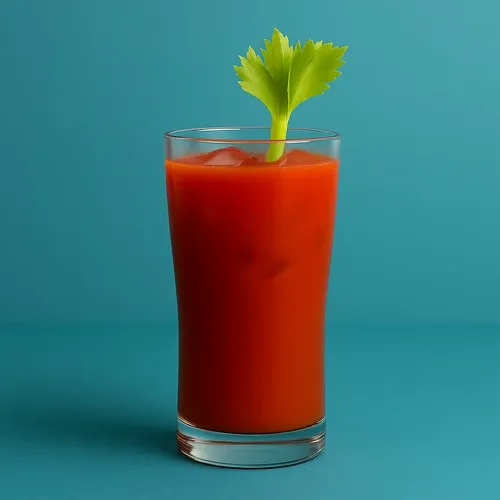
Bloody Mary

Ingredients for Bloody Mary — 8 total (3 shown, 5 more hidden).
+5



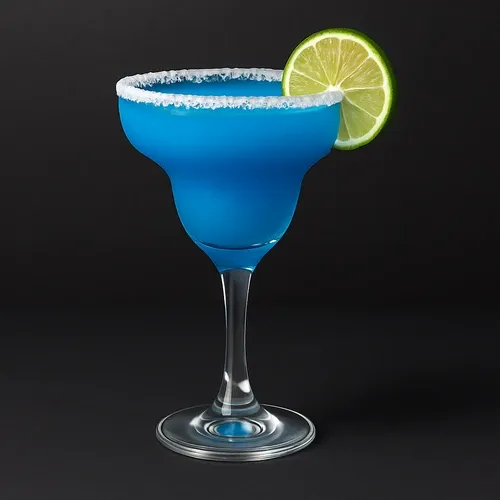
Blue Margarita
Ingredients for Blue Margarita — 5 total (3 shown, 2 more hidden).
+2
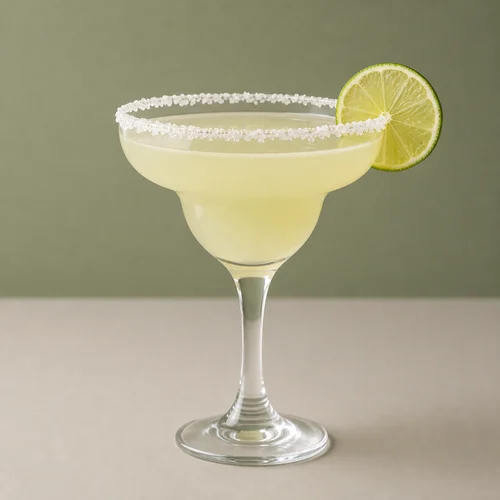
Cadillac Margarita
Ingredients for Cadillac Margarita — 6 total (3 shown, 3 more hidden).
+3