Fruit
Non-Alcoholic (~0% ABV) Fresh Fruits (Solid/Garnish)
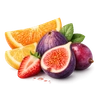
Fruit is a broad fresh ingredient category used in cocktails to add natural sweetness, acidity, aroma, color, body, or seasonal visual character depending on the fruit chosen.

Flavor & Technical
This section summarizes the sensory balance and technical behavior of Fruit when used in cocktails, combining perceived flavor intensity with functional roles.
Flavor balance and intensity
Technical characteristics
How Fruit works in cocktails
Fruit is analyzed here as a working cocktail ingredient: how it changes flavor, what role it plays in a build, when it should be substituted, and which recipe patterns it supports.
Flavor role in cocktail balance
Fruit does not represent a single flavor profile but signals fresh produce rather than juice, syrup, or liqueur. It may be juicy, pulpy, crisp, tropical, berry-like, tart, or sweet. Structural contribution depends on format: muddled fruit adds pulp and aroma, blended fruit adds body, and visual accents add identity without significant dilution.
Best uses behind the bar
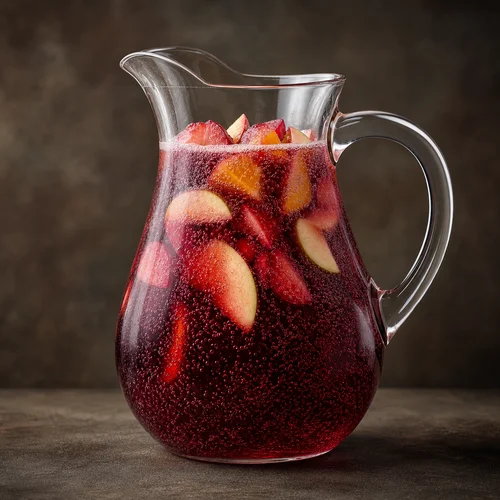
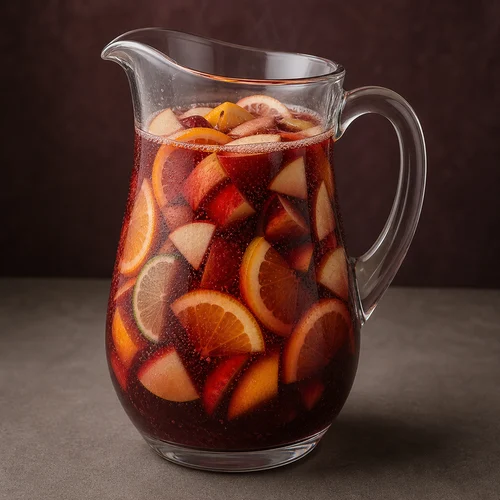
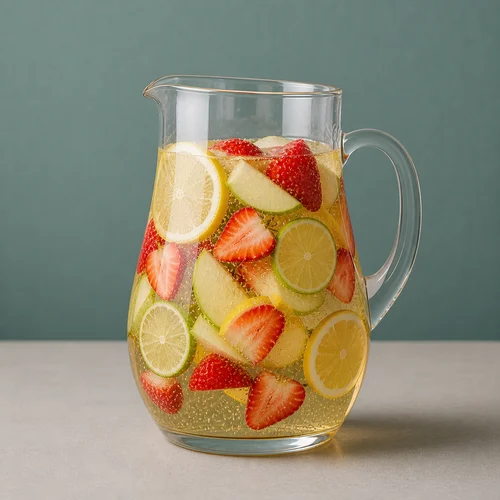
Used in punches, sangrias, cobblers, tiki drinks, smoothies, fruit cups, dessert drinks, non-alcoholic coolers, and seasonal house cocktails. When a recipe lists generic fruit, the drink should be interpreted as flexible and produce-driven rather than tied to a specific variety.
Substitutes in cocktail builds
Use the closest named fruit for the drink style: berries for red-fruit drinks, citrus for freshness, pineapple or mango for tropical body, and apple or pear for orchard-fruit structure. Fruit puree, juice, or syrup can substitute only with adjustments to texture and sweetness.
Production and style context
Fruits have been incorporated into beverages for centuries, from early fermented drinks to modern mixed cocktails. Their availability, seasonal nature, and flavor diversity have influenced the evolution of drink styles across cultures.
Similar ingredients (by flavor & function)
Ingredients listed here share similar flavor characteristics or functional roles with Fruit, making them comparable in certain cocktail contexts.
Comparable in recipe usage, but structured flavor data is incomplete for this ingredient.
Comparable in recipe usage, but structured flavor data is incomplete for this ingredient.
Explore cocktails with Fruit
Use these child hubs to compare Fruit across repeated cocktail patterns instead of reading recipes one by one. Each link groups recipes by a different structural signal.
By preparation method
Preparation method shows how Fruit behaves under technique: shaken for integration, stirred for clarity, built for direct length, heated for warmth, or blended for texture.

By glass
Glassware reveals serving format and dilution strategy for Fruit, separating short, spirit-led serves from tall, warm, frozen, or lengthened drinks.


Cocktails using Fruit
A curated selection of cocktails that showcase Fruit as a defining ingredient.
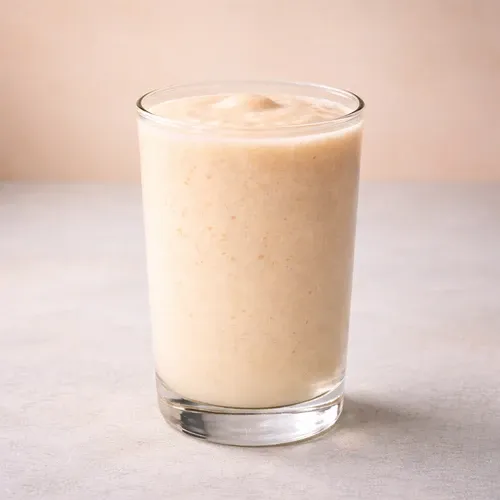
Fruit Shake
Ingredients for Fruit Shake — 5 total (3 shown, 2 more hidden).
+2