Apple Brandy
Alcoholic (~40% ABV (typical; premium or bonded expressions may reach 50%)) Spirits
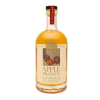
Apple Brandy is a distilled spirit made from fermented apple juice, characterized by a pronounced fruit-driven profile shaped by fermentation and, in many styles, oak aging. It delivers depth, structure, and warmth, positioning it between fresh fruit distillates and barrel-aged brandies.

Flavor & Technical
This section summarizes the sensory balance and technical behavior of Apple Brandy when used in cocktails, combining perceived flavor intensity with functional roles.
Flavor balance and intensity
Technical characteristics
How Apple Brandy works in cocktails
Apple Brandy is analyzed here as a working cocktail ingredient: how it changes flavor, what role it plays in a build, when it should be substituted, and which recipe patterns it supports.
Flavor role in cocktail balance
Apple Brandy presents a vivid apple character ranging from fresh baked apple to dried and oxidative fruit notes, depending on production and aging. Oak-aged expressions develop additional layers of vanilla , caramel, and gentle baking spices such as cinnamon and clove . The palate offers a structured mouthfeel with subtle waxy notes characteristic of apple skin, moderate natural sweetness, and a persistent malic-driven freshness that distinguishes it from grape-based brandies. The finish is warming, lightly spiced, and fruit-forward.
Best uses behind the bar
Apple Brandy is used in fruit-forward spirit builds and barrel-aged brandy applications where apple character provides depth and seasonal warmth. It is particularly suited to spirit-forward preparations, stirred or built serves, and autumnal or cold-weather profiles that benefit from natural fruit richness, moderate acidity, and oak-derived structure. It is also employed in culinary applications requiring concentrated apple flavor and alcoholic backbone.
Substitutes in cocktail builds
Straight apple brandy and Calvados serve as direct substitutes, with variations in intensity driven by aging length and regional style. Applejack is also commonly used; however, modern blended applejack often contains neutral grain spirits and is lighter in body, while straight or bonded apple brandy delivers the full fruit intensity and structure required for traditional preparations. Pear brandy or lightly aged fruit brandies may approximate structure but lack the distinctive apple-driven profile.
Production and style context
Apple Brandy has deep historical roots in apple-growing regions. In North America, it emerged from early cider distillation practices, producing spirits historically known as applejack . In Europe, particularly in France, apple brandy traditions evolved with greater emphasis on controlled aging, regional identity, and barrel influence.
Mixology notes
Apple Brandy spans a wide stylistic range, from unaged, vividly fruity expressions to extensively oak-aged spirits with layered complexity. Aging climate, barrel type, and alcohol strength significantly influence texture, acidity, and aromatic depth, making apple brandy one of the most versatile fruit-based distillates.
Explore cocktails with Apple Brandy
Use these child hubs to compare Apple Brandy across repeated cocktail patterns instead of reading recipes one by one. Each link groups recipes by a different structural signal.
By preparation method
Preparation method shows how Apple Brandy behaves under technique: shaken for integration, stirred for clarity, built for direct length, heated for warmth, or blended for texture.

By glass
Glassware reveals serving format and dilution strategy for Apple Brandy, separating short, spirit-led serves from tall, warm, frozen, or lengthened drinks.


Cocktails using Apple Brandy
All cocktails in our collection that feature Apple Brandy as a core ingredient.
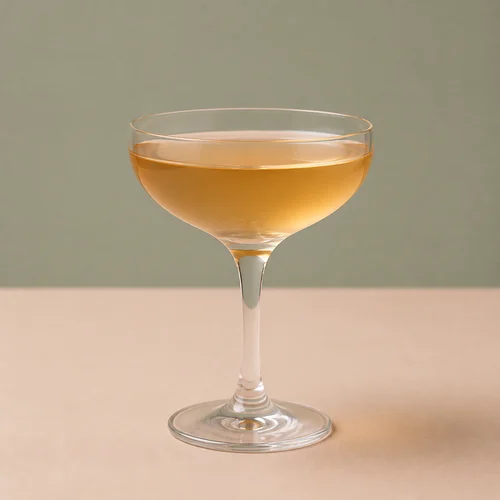
Honeymoon
Ingredients for Honeymoon — 4 total (3 shown, 1 more hidden).
+1

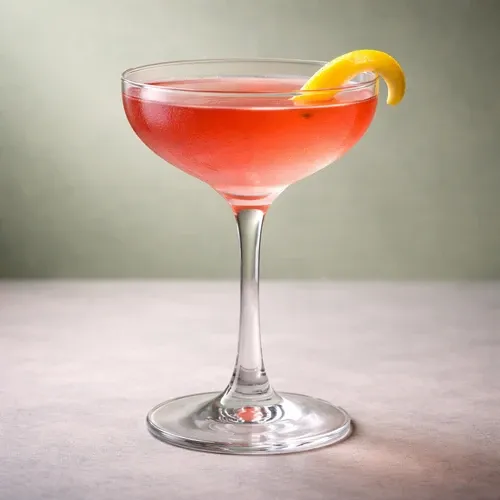
Jack Rose Cocktail
Ingredients for Jack Rose Cocktail — 4 total (3 shown, 1 more hidden).
+1
White Wine Sangria


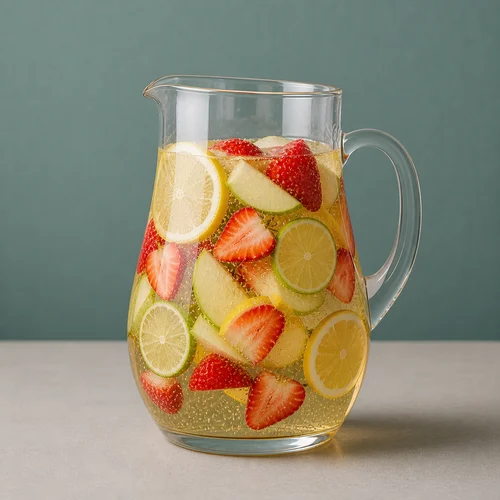
Ingredients for White Wine Sangria — 5 total (3 shown, 2 more hidden).
+2