Port
Alcoholic (~20% ABV) Wines & Fortified Wines
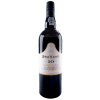
Port is a fortified wine produced in Portugal's Douro Valley, known for its rich sweetness, dark-fruit character, and elevated alcohol.

Flavor & Technical
This section summarizes the sensory balance and technical behavior of Port when used in cocktails, combining perceived flavor intensity with functional roles.
Flavor balance and intensity
Technical characteristics
How Port works in cocktails
Port is analyzed here as a working cocktail ingredient: how it changes flavor, what role it plays in a build, when it should be substituted, and which recipe patterns it supports.
Flavor role in cocktail balance
Port delivers a dense, sweet fortified-wine profile dominated by ripe dark fruit , rich residual sugar , and noticeable alcoholic warmth. Spice and cocoa-like nuances appear depending on style and aging, while acidity remains supportive rather than sharp. Compared to Madeira , Port is generally less acidic and more fruit-driven; compared to oxidatively aged sherries, it offers greater richness and sweetness with a more direct dark-fruit core.
Best uses behind the bar
Port is used as a sweet fortified wine to add richness, sweetness, and dark-fruit depth. It increases body and alcoholic warmth in mixed builds, supports dessert-oriented compositions, and is also enjoyed on its own as a classic after-dinner fortified wine.
Substitutes in cocktail builds
Madeira and sweet styles of sherry can substitute for Port when a fortified-wine backbone is needed, but substitutes typically bring higher acidity or a more oxidative character and often less direct dark-fruit sweetness. The overall balance may be drier, brighter, or more nutty than Port.
Production and style context
Port wine developed in the 17th century in Portugal's Douro Valley, where fortification was adopted to stabilize wine for export. Strong trade ties with England helped establish Port as one of the most internationally recognized fortified wine styles.
Mixology notes
Port takes its name from the city of Porto, historically the key shipping point for the wine. Many styles are capable of extended aging, and certain bottlings remain stable and complex for decades under proper storage.
Explore cocktails with Port
Use these child hubs to compare Port across repeated cocktail patterns instead of reading recipes one by one. Each link groups recipes by a different structural signal.
By preparation method
Preparation method shows how Port behaves under technique: shaken for integration, stirred for clarity, built for direct length, heated for warmth, or blended for texture.

By glass
Glassware reveals serving format and dilution strategy for Port, separating short, spirit-led serves from tall, warm, frozen, or lengthened drinks.


Cocktails using Port
A curated selection of cocktails that showcase Port as a defining ingredient.
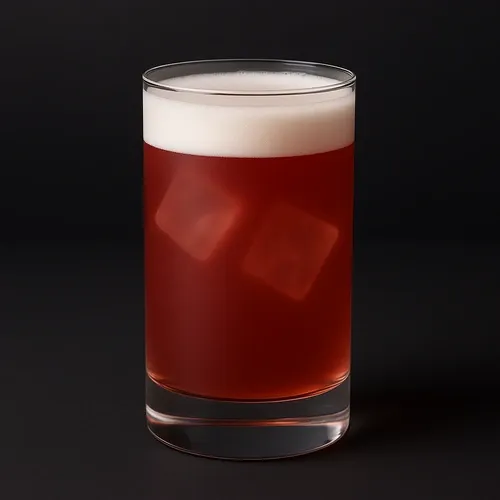
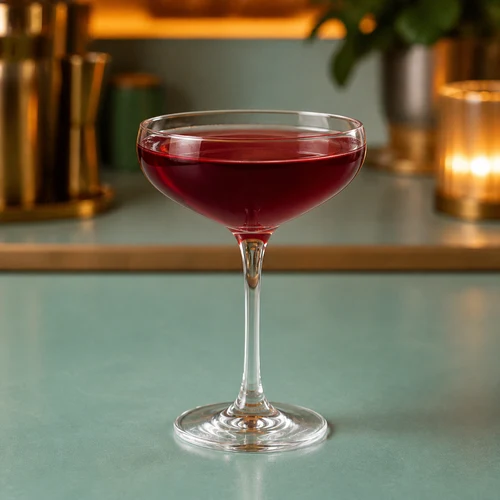
Chicago Fizz
Ingredients for Chicago Fizz — 6 total (3 shown, 3 more hidden).
+3



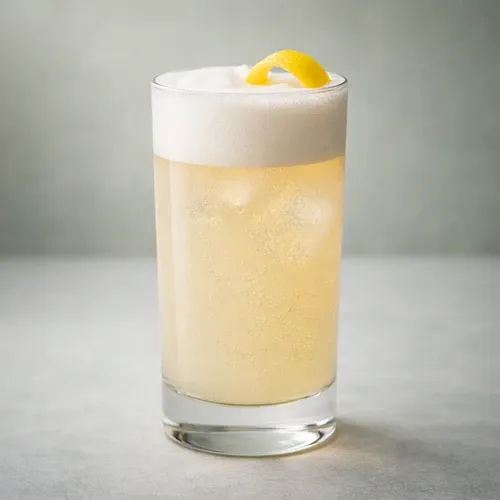
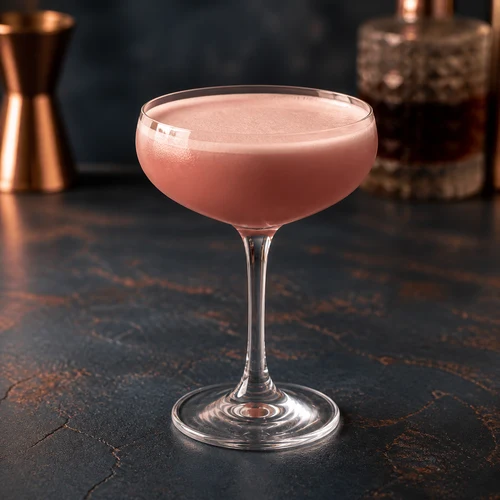
Japanese Fizz
Ingredients for Japanese Fizz — 7 total (3 shown, 4 more hidden).
+4