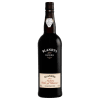
Madeira
Alcoholic (~18% ABV) Wines & Fortified Wines
Madeira is a fortified wine from the Portuguese Madeira Islands, known for its heat-aged oxidative process and complex, long-lived character.
Flavor & Technical
This section summarizes the sensory balance and technical behavior of Madeira when used in cocktails, combining perceived flavor intensity with functional roles.
Flavor balance and intensity
Technical characteristics
How Madeira works in cocktails
Madeira is analyzed here as a working cocktail ingredient: how it changes flavor, what role it plays in a build, when it should be substituted, and which recipe patterns it supports.
Flavor role in cocktail balance
Madeira presents a distinctive oxidative profile shaped by heat aging, combining caramelized sweetness, nutty depth, dried fruit richness, and firm acidity. Unlike most fortified wines, its pronounced acidity balances sweetness and oxidation, yielding a structured, persistent palate with remarkable stability. The finish is long, savory-sweet, and complex rather than lush or syrupy.
Best uses behind the bar
Madeira functions as a fortified wine modifier that adds oxidative depth, caramelized richness, and structural acidity. It supports both savory and dessert-oriented compositions, enhances longevity and balance in mixed builds, and may also be enjoyed on its own as a contemplative fortified wine.
Substitutes in cocktail builds
Port and Marsala can substitute for Madeira when sweetness and richness are required, though they generally provide lower acidity and lack Madeira's heat-aged oxidative structure. Substitutes tend to be softer, rounder, and less persistent in mixed applications.
Production and style context
Madeira wine developed during the Age of Exploration, when fortification and exposure to heat were used to stabilize wine for long sea voyages. This process produced an unusually resilient oxidative style that gained widespread popularity in the 18th century and remains distinctive today.
Mixology notes
Madeira is deliberately heated during aging through estufagem or canteiro methods, a process that enhances stability rather than degrading quality. Properly stored Madeira can remain sound for decades or even centuries after bottling, a rarity among wines.