Blended Whiskey
Alcoholic (~40% ABV) Spirits
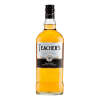
Blended whiskey is a distilled spirit produced by combining multiple whiskey components—often grain-forward spirits with smaller portions of more aromatic whiskies—to achieve consistency, lightness, and broad drinkability. As an umbrella style, it prioritizes balance and smoothness over strong regional markers or pronounced aromatic extremes.

Flavor & Technical
This section summarizes the sensory balance and technical behavior of Blended Whiskey when used in cocktails, combining perceived flavor intensity with functional roles.
Flavor balance and intensity
Technical characteristics
How Blended Whiskey works in cocktails
Blended Whiskey is analyzed here as a working cocktail ingredient: how it changes flavor, what role it plays in a build, when it should be substituted, and which recipe patterns it supports.
Flavor role in cocktail balance
Blended whiskey delivers a soft, rounded profile built on light cereal sweetness and restrained aromatic complexity. Oak influence is typically gentle, with subtle vanilla , mild caramel, and delicate spice. Smokiness, when present, remains minimal and secondary. The character emphasizes balance, smoothness, and approachability over intensity.
Best uses behind the bar
Blended whiskey serves as a versatile base spirit in highballs and whiskey sodas, and provides a classic foundation for approachable sour-style cocktails such as the Whiskey Sour . It also appears in simple, casual mixed drinks like the Seven and Seven (blended whiskey with lemon-lime soda ), where consistency and easy drinkability are prioritized. In high-volume bar settings, it is frequently selected for mixed drinks that require balance without dominating other ingredients.
Substitutes in cocktail builds
Other blended whiskies provide the closest substitution with minimal impact on balance. Canadian whisky is often the most direct substitute in terms of lightness, grain-forward softness, and mixability. Mild single malt Scotch can also work when a gentle whisky backbone is desired. Bourbon or rye whiskey may replace blended whiskey structurally, but will introduce increased sweetness or spice and noticeably shift the intended flavor balance.
Production and style context
Blended whiskey expanded in the 19th century as producers sought greater consistency and scalability by combining different whiskey components. By blending lighter, more neutral grain-driven spirits with more characterful whiskies, producers created spirits that were approachable and reliably reproducible—supporting wide distribution and mainstream adoption across multiple markets.
Mixology notes
Blended styles account for a large share of global whisky consumption due to accessibility, consistency, and versatility in mixed drinks. In the United States, the legal category "blended whiskey" can include a high proportion of neutral spirits, which helps explain why many examples taste especially light and mix exceptionally easily.
Frequently paired with
These ingredients frequently appear alongside Blended Whiskey in cocktail recipes, based on co-occurrence across the database.
Used with Blended Whiskey in 6 cocktails
Used with Blended Whiskey in 5 cocktails
Explore cocktails with Blended Whiskey
Use these child hubs to compare Blended Whiskey across repeated cocktail patterns instead of reading recipes one by one. Each link groups recipes by a different structural signal.
By preparation method
Preparation method shows how Blended Whiskey behaves under technique: shaken for integration, stirred for clarity, built for direct length, heated for warmth, or blended for texture.

By glass
Glassware reveals serving format and dilution strategy for Blended Whiskey, separating short, spirit-led serves from tall, warm, frozen, or lengthened drinks.


Cocktails using Blended Whiskey
A curated selection of cocktails that showcase Blended Whiskey as a defining ingredient.
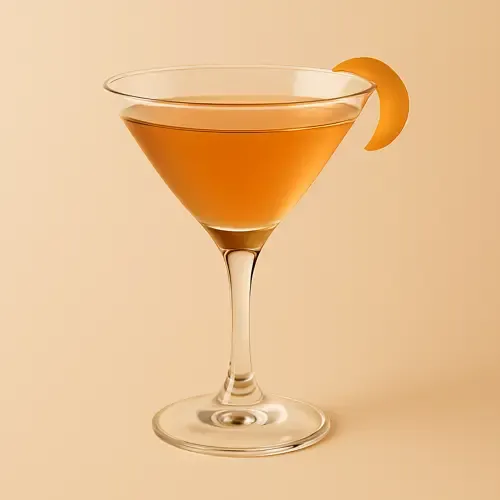
Algonquin

Ingredients for Algonquin — 3 total (3 shown).


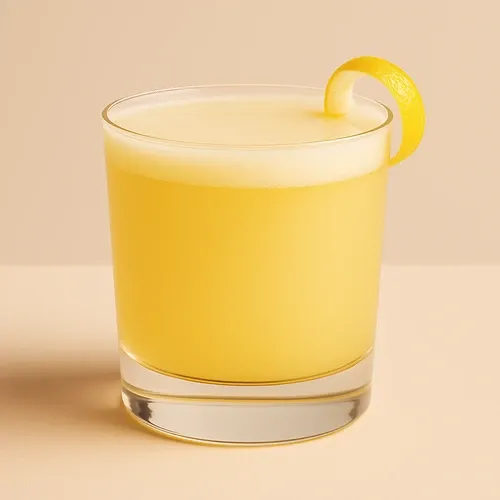
Boston Sour
Ingredients for Boston Sour — 5 total (3 shown, 2 more hidden).
+2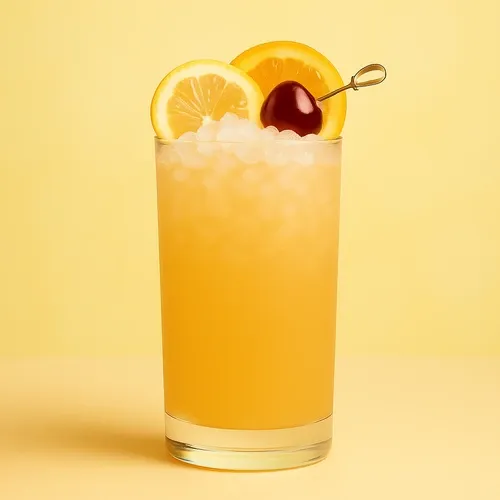
California Lemonade

Ingredients for California Lemonade — 9 total (3 shown, 6 more hidden).
+6