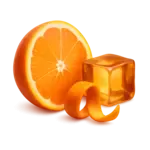
Orange Peel
Non-Alcoholic (~0% ABV) Fresh Fruits (Solid/Garnish)
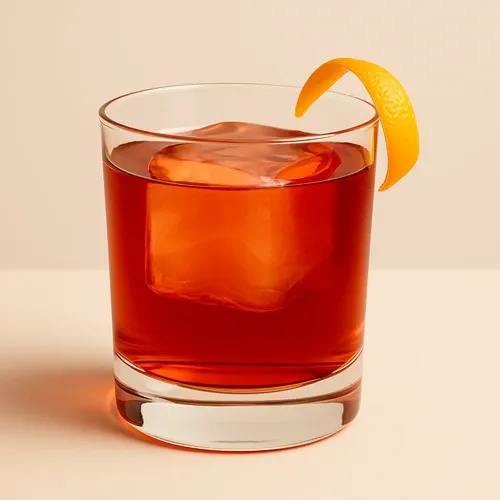
Orange peel is the aromatic outer skin of an orange, used to express citrus oils and add a rounded orange aroma to cocktails.

Flavor & Technical
This section summarizes the sensory balance and technical behavior of Orange Peel when used in cocktails, combining perceived flavor intensity with functional roles.
Flavor balance and intensity
Technical characteristics
How Orange Peel works in cocktails
Orange Peel is analyzed here as a working cocktail ingredient: how it changes flavor, what role it plays in a build, when it should be substituted, and which recipe patterns it supports.
Flavor role in cocktail balance
Orange peel is aromatic, oily, and lightly bitter, with a perceived sweetness greater than that of lemon peel . It contributes no juice or sugar , but the expressed oils lend roundness and fragrance to strong drinks. It pairs particularly well with aged spirits, vermouth , bitters , and bitter aperitifs.
Best uses behind the bar
Used as a twist or expressed peel in Old Fashioneds, Negronis, Manhattans, Sazeracs, aperitif cocktails, stirred rum drinks, and bitter-sweet classics. The peel is typically expressed over the drink's surface and either dropped in or discarded.
Substitutes in cocktail builds
Lemon peel offers a sharper, brighter profile. Grapefruit peel is drier and more bitter. Orange bitters can introduce orange complexity but lack the fresh oil sheen provided by expressed peel.
Production and style context
Orange peel has been used for centuries in culinary and medicinal traditions. Its essential oils later became central to classic liqueur production and cocktail service, where citrus peels enhance both aroma and presentation.
Mixology notes
Most of orange peel's aromatic impact derives from limonene-rich oils released during twisting or expression. Minimizing pith contact reduces bitterness, which is why precise peeling and expression technique remains essential in professional bartending.
Frequently paired with
These ingredients frequently appear alongside Orange Peel in cocktail recipes, based on co-occurrence across the database.
Used with Orange Peel in 5 cocktails
Used with Orange Peel in 5 cocktails
Used with Orange Peel in 5 cocktails
Explore cocktails with Orange Peel
Use these child hubs to compare Orange Peel across repeated cocktail patterns instead of reading recipes one by one. Each link groups recipes by a different structural signal.
By preparation method
Preparation method shows how Orange Peel behaves under technique: shaken for integration, stirred for clarity, built for direct length, heated for warmth, or blended for texture.


By glass
Glassware reveals serving format and dilution strategy for Orange Peel, separating short, spirit-led serves from tall, warm, frozen, or lengthened drinks.


Cocktails using Orange Peel
A curated selection of cocktails that showcase Orange Peel as a defining ingredient.
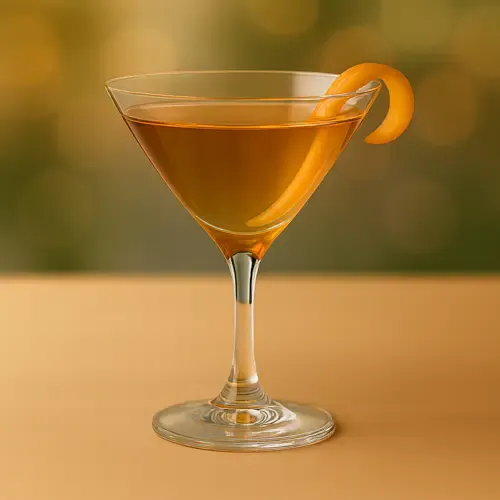
Affinity

Ingredients for Affinity — 5 total (3 shown, 2 more hidden).
+2

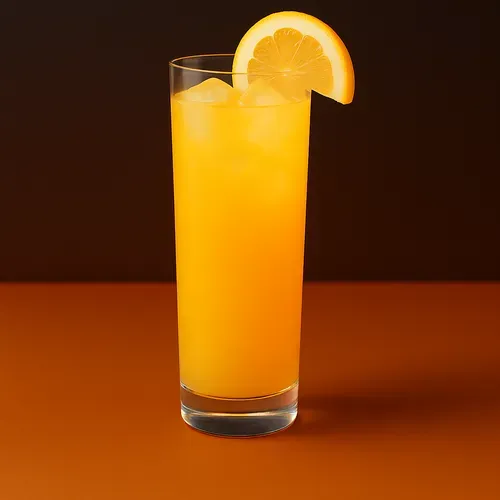
Amaretto fizz

Ingredients for Amaretto fizz — 4 total (3 shown, 1 more hidden).
+1

Autumn Garibaldi

Ingredients for Autumn Garibaldi — 5 total (3 shown, 2 more hidden).
+2