Absinthe
Alcoholic (~Commonly 45-74% ABV; many cocktail references assume around 68% ABV.) Spirits
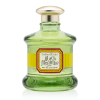
Absinthe is a high-proof botanical spirit dominated by anise, fennel, wormwood, and alpine herbs, used in cocktails as an intense aromatic rinse or micro-dose modifier.

Flavor & Technical
This section summarizes the sensory balance and technical behavior of Absinthe when used in cocktails, combining perceived flavor intensity with functional roles.
Flavor balance and intensity
Technical characteristics
How Absinthe works in cocktails
Absinthe is analyzed here as a working cocktail ingredient: how it changes flavor, what role it plays in a build, when it should be substituted, and which recipe patterns it supports.
Flavor role in cocktail balance
Absinthe is powerful, dry, herbal, and licorice-forward, with anise and fennel leading over wormwood bitterness and green botanical depth. It is rarely used for volume; a rinse or a few drops can perfume an entire drink. When diluted, it turns cloudy, releasing essential oils and yielding a silky aromatic texture.
Best uses behind the bar
Used in aromatic rinses, classic stirred or shaken cocktails requiring a sharp herbal top note, and tiki accents. It should be dosed carefully, as it can dominate citrus, vermouth , gin , whiskey , and sparkling wine.
Substitutes in cocktail builds
Pernod , Herbsaint, pastis, or other anise spirits can substitute, though many are sweeter and lower proof. Ouzo can work in casual applications but brings a different Mediterranean profile.
Production and style context
Absinthe originated in Switzerland in the late 18th century and rose to prominence throughout the 19th century, particularly in France. Strongly associated with bohemian and artistic culture, it became a symbol of the era before being banned in many countries in the early 20th century. These prohibitions were later lifted after scientific studies disproved claims of hallucinogenic effects.
Mixology notes
One of absinthe's most distinctive characteristics is the louche effect, in which the clear spirit turns cloudy when diluted with water as essential oils are released. Despite its historical reputation, modern absinthe is legally produced under strict regulations governing its botanical composition and alcohol content.
Similar ingredients (by flavor & function)
Ingredients listed here share similar flavor characteristics or functional roles with Absinthe, making them comparable in certain cocktail contexts.
Comparable in recipe usage, but structured flavor data is incomplete for this ingredient.
Comparable in recipe usage, but structured flavor data is incomplete for this ingredient.
Explore cocktails with Absinthe
Use these child hubs to compare Absinthe across repeated cocktail patterns instead of reading recipes one by one. Each link groups recipes by a different structural signal.
By preparation method
Preparation method shows how Absinthe behaves under technique: shaken for integration, stirred for clarity, built for direct length, heated for warmth, or blended for texture.


By glass
Glassware reveals serving format and dilution strategy for Absinthe, separating short, spirit-led serves from tall, warm, frozen, or lengthened drinks.


Cocktails using Absinthe
A curated selection of cocktails that showcase Absinthe as a defining ingredient.
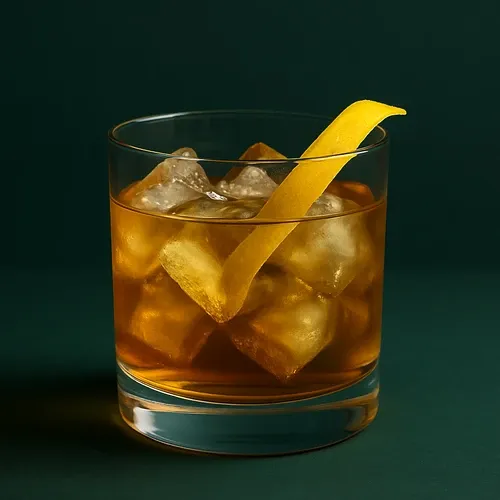
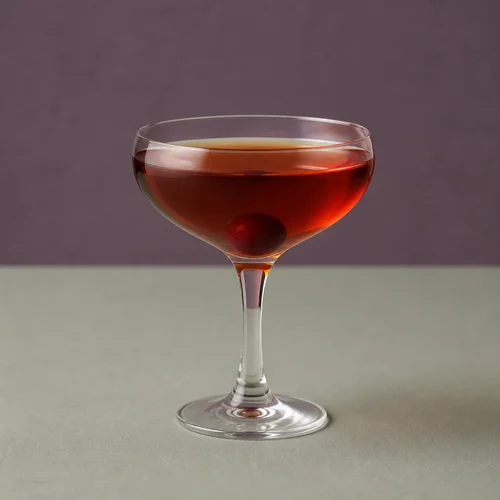
Broadside
Ingredients for Broadside — 5 total (3 shown, 2 more hidden).
+2

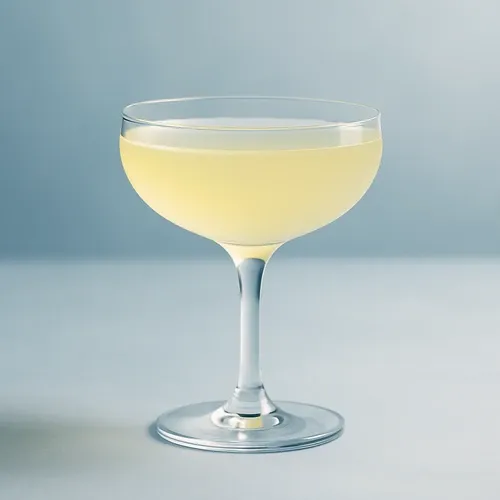
Corpse Reviver #2
Ingredients for Corpse Reviver #2 — 5 total (3 shown, 2 more hidden).
+2