Ouzo
Alcoholic (~Typically 37.5–50% ABV) Spirits
Ouzo is a traditional Greek anise-flavored spirit obtained by distilling alcohol with aniseed and other aromatic botanicals. Clear before dilution, it is known for its intense licorice aroma and its characteristic louche effect when mixed with water.

Flavor & Technical
This section summarizes the sensory balance and technical behavior of Ouzo when used in cocktails, combining perceived flavor intensity with functional roles.
Flavor balance and intensity
Technical characteristics
How Ouzo works in cocktails
Ouzo is analyzed here as a working cocktail ingredient: how it changes flavor, what role it plays in a build, when it should be substituted, and which recipe patterns it supports.
Flavor role in cocktail balance
Ouzo is intensely anise-forward, dominated by strong licorice notes supported by subtle herbal and spicy undertones. Sweetness is present but restrained, while bitterness remains low. The profile is aromatic and warming rather than heavy, with a long, persistent finish driven by essential oils rather than sugar .
Best uses behind the bar
Ouzo is traditionally consumed neat or diluted with cold water , often accompanied by small savory dishes. In mixed drinks, it is used sparingly as an aromatic base or accent to introduce pronounced anise character. It is also employed in culinary preparations to impart licorice-like aromatics to seafood, sauces, and baked goods.
Substitutes in cocktail builds
Pastis and other anise-based spirits can substitute for ouzo, offering similar licorice-driven aromatics with variations in sweetness and herbal complexity. Sambuca provides a sweeter alternative, while absinthe delivers a drier and more bitter profile that requires careful dosage.
Production and style context
Ouzo developed in Greece during the 19th century as distillers refined anise-based spirits following the decline of absinthe in parts of Europe. It became closely associated with Greek identity and was officially recognized as a protected geographical indication within the European Union.
Mixology notes
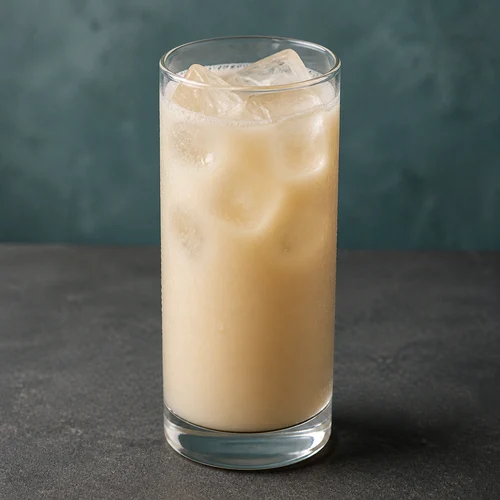
When diluted with water , ouzo turns opaque white due to the precipitation of anise oils, a phenomenon known as the louche effect. This visual transformation is a defining characteristic shared with other anise spirits and signals the presence of high concentrations of essential oils.
Similar ingredients (by flavor & function)
Ingredients listed here share similar flavor characteristics or functional roles with Ouzo, making them comparable in certain cocktail contexts.
Cocktails using Ouzo
All cocktails in our collection that feature Ouzo as a core ingredient.