Sambuca
Alcoholic (~Typically around 38% ABV) Liqueurs & Cordials
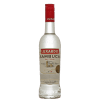
Sambuca is a sweet Italian anise-flavored liqueur characterized by its intense licorice aroma and high sweetness. Produced by infusing star anise and botanicals into neutral spirit with sugar, it is traditionally consumed as a digestif and used sparingly as an aromatic modifier in cocktails.

Flavor & Technical
This section summarizes the sensory balance and technical behavior of Sambuca when used in cocktails, combining perceived flavor intensity with functional roles.
Flavor balance and intensity
Technical characteristics
How Sambuca works in cocktails
Sambuca is analyzed here as a working cocktail ingredient: how it changes flavor, what role it plays in a build, when it should be substituted, and which recipe patterns it supports.
Flavor role in cocktail balance
Sambuca delivers a powerful anise and licorice-driven profile supported by pronounced sweetness and a warming alcoholic backbone. Subtle herbal and lightly spicy undertones round out the flavor, concluding with a long, persistent aromatic finish.
Best uses behind the bar
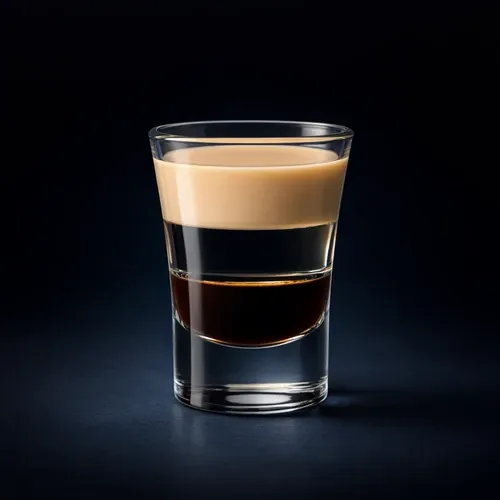
Sambuca is used in small quantities to impart strong anise character and sweetness. It appears in select cocktails as an aromatic accent and is traditionally served neat or with coffee , where its intensity and sweetness take center stage.
Substitutes in cocktail builds
Other anise-flavored spirits may substitute for sambuca depending on desired sweetness and dryness. Ouzo and pastis provide similar licorice notes with less sweetness, while anisette offers a softer, more confectionary profile.
Production and style context
Sambuca emerged in Italy in the late 19th century as part of the country's tradition of anise-flavored liqueurs. Its name is commonly linked to the Latin term for elderberry, though modern sambuca is defined primarily by its anise base.
Mixology notes
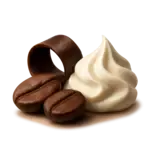
Sambuca is traditionally served with three coffee beans, known as con la mosca, symbolizing health, happiness, and prosperity. Like other anise-based liqueurs, it can exhibit the louche effect when diluted.
Similar ingredients (by flavor & function)
Ingredients listed here share similar flavor characteristics or functional roles with Sambuca, making them comparable in certain cocktail contexts.
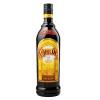
Comparable in recipe usage, but structured flavor data is incomplete for this ingredient.
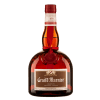
Comparable in recipe usage, but structured flavor data is incomplete for this ingredient.
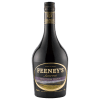
Comparable in recipe usage, but structured flavor data is incomplete for this ingredient.
Often paired with
These ingredients frequently appear alongside Sambuca in cocktail recipes, based on co-occurrence across the database.
Used with Sambuca in 4 cocktails
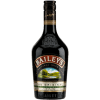
Used with Sambuca in 4 cocktails
Explore cocktails with Sambuca
Use these child hubs to compare Sambuca across repeated cocktail patterns instead of reading recipes one by one. Each link groups recipes by a different structural signal.
By preparation method
Preparation method shows how Sambuca behaves under technique: shaken for integration, stirred for clarity, built for direct length, heated for warmth, or blended for texture.


By glass
Glassware reveals serving format and dilution strategy for Sambuca, separating short, spirit-led serves from tall, warm, frozen, or lengthened drinks.


Cocktails using Sambuca
A curated selection of cocktails that showcase Sambuca as a defining ingredient.
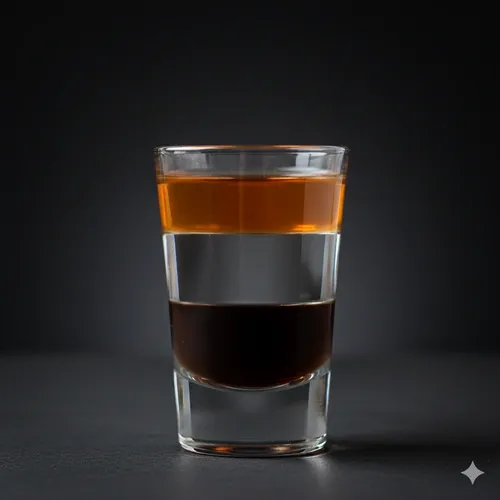
B-53
Ingredients for B-53 — 3 total (3 shown).

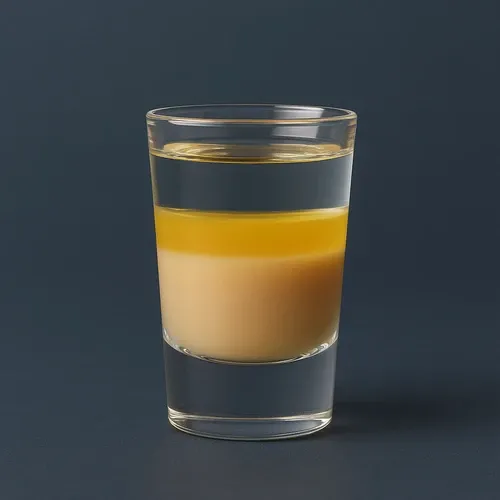
Brainteaser
Ingredients for Brainteaser — 3 total (3 shown).
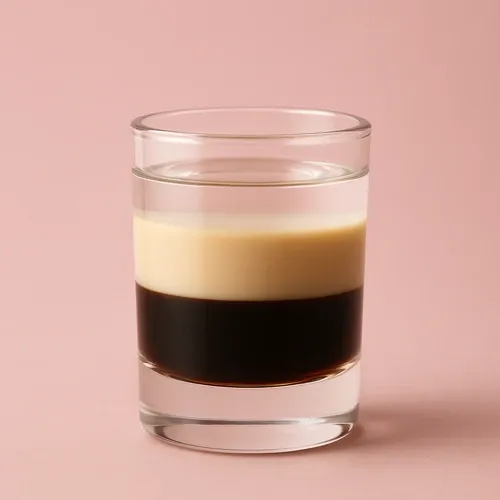
Bumble Bee
Ingredients for Bumble Bee — 3 total (3 shown).