Olive
Non-Alcoholic (~0% ABV) Fresh Fruits (Solid/Garnish)
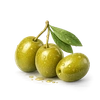
Olive is a versatile ingredient used in cocktails and cooking, known for its briny and slightly bitter taste. Whether as a garnish or muddled in a drink, olives add a unique flavor profile to various recipes.

Flavor & Technical
This section summarizes the sensory balance and technical behavior of Olive when used in cocktails, combining perceived flavor intensity with functional roles.
Flavor balance and intensity
Technical characteristics
How Olive works in cocktails
Olive is analyzed here as a working cocktail ingredient: how it changes flavor, what role it plays in a build, when it should be substituted, and which recipe patterns it supports.
Flavor role in cocktail balance
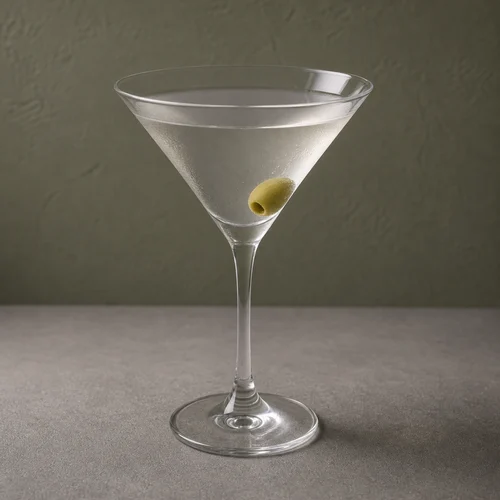
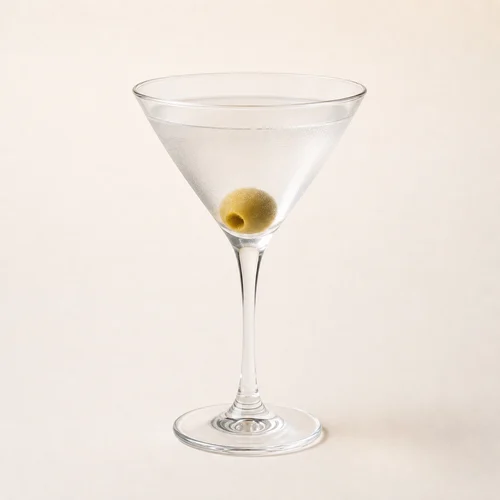
Olive is a briny savory garnish with salt , mild bitterness, and umami. In Martinis it contributes aroma and a saline finish.
Best uses behind the bar
Used as a garnish in Martinis, dirty Martinis, savory cocktails, aperitif drinks, and briny bar snacks.
Substitutes in cocktail builds
Lemon peel , cocktail onion , caperberry, or olive brine can substitute depending on the desired savory effect.
Production and style context
Olives have been cultivated for thousands of years, with origins in the Mediterranean region. They hold cultural significance and are a staple in Mediterranean cuisine and drinks.
Mixology notes
Olives are technically a fruit , not a vegetable, and come in various colors and sizes. They are rich in healthy fats and antioxidants, making them a nutritious addition to recipes.
Similar ingredients (by flavor & function)
Ingredients listed here share similar flavor characteristics or functional roles with Olive, making them comparable in certain cocktail contexts.
Comparable in recipe usage, but structured flavor data is incomplete for this ingredient.
Explore cocktails with Olive
Use these child hubs to compare Olive across repeated cocktail patterns instead of reading recipes one by one. Each link groups recipes by a different structural signal.
By preparation method
Preparation method shows how Olive behaves under technique: shaken for integration, stirred for clarity, built for direct length, heated for warmth, or blended for texture.

By glass
Glassware reveals serving format and dilution strategy for Olive, separating short, spirit-led serves from tall, warm, frozen, or lengthened drinks.


Cocktails using Olive
All cocktails in our collection that feature Olive as a core ingredient.
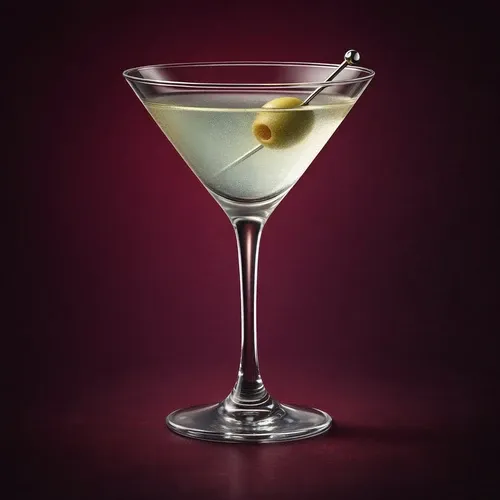
Dirty Martini

Ingredients for Dirty Martini — 4 total (3 shown, 1 more hidden).
+1

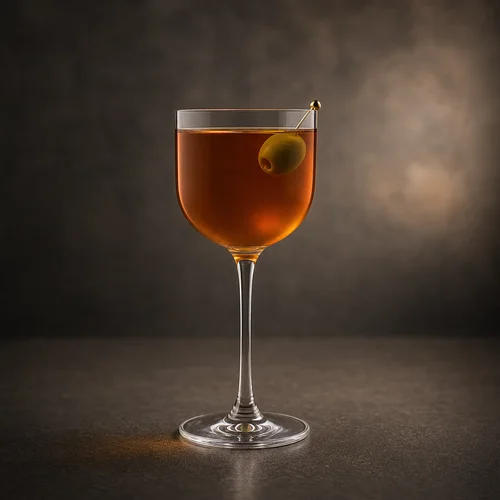
Highland Fling Cocktail

Ingredients for Highland Fling Cocktail — 4 total (3 shown, 1 more hidden).
+1