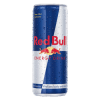
Red Bull
Non-Alcoholic (~0% ABV) Carbonated Mixers
Red Bull is a branded carbonated energy drink used in cocktails for sweetness, acidity, caffeine-driven identity, and high-energy mixer character.

Flavor & Technical
This section summarizes the sensory balance and technical behavior of Red Bull when used in cocktails, combining perceived flavor intensity with functional roles.
Flavor balance and intensity
Technical characteristics
How Red Bull works in cocktails
Red Bull is analyzed here as a working cocktail ingredient: how it changes flavor, what role it plays in a build, when it should be substituted, and which recipe patterns it supports.
Flavor role in cocktail balance
Red Bull delivers a sweet, tangy, carbonated profile with a slightly medicinal, candy-like quality and a recognizable energy-drink aroma. It contributes strong brand identity and functions as a flavoring mixer rather than a neutral soda.
Best uses behind the bar
Used in vodka energy drinks, party highballs, club drinks, shooters, and non-alcoholic energy serves.
Substitutes in cocktail builds
Energy drink, sugar-free Red Bull, Monster, club soda plus citrus syrup, or lemon-lime soda can substitute with profile changes.
Production and style context
Red Bull was created in Austria in 1987 by Dietrich Mateschitz and quickly gained popularity as a functional beverage, becoming one of the most widely consumed energy drinks globally.
Mixology notes
Red Bull's marketing strategy includes extreme sports sponsorships and events such as the Red Bull Air Race. Caffeine content varies by country due to regulatory differences.
Brand disclaimer
This page includes Red Bull as an example of a branded ingredient for reference and classification purposes. Fizzando operates independently and has no commercial relationship with the brand or its producer. Brand names and trademarks are used solely to identify the products discussed.
Explore cocktails with Red Bull
Use these child hubs to compare Red Bull across repeated cocktail patterns instead of reading recipes one by one. Each link groups recipes by a different structural signal.
By preparation method
Preparation method shows how Red Bull behaves under technique: shaken for integration, stirred for clarity, built for direct length, heated for warmth, or blended for texture.

By glass
Glassware reveals serving format and dilution strategy for Red Bull, separating short, spirit-led serves from tall, warm, frozen, or lengthened drinks.


Cocktails using Red Bull
All cocktails in our collection that feature Red Bull as a core ingredient.
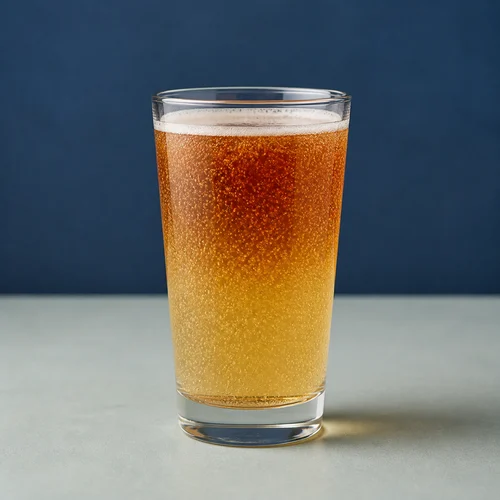
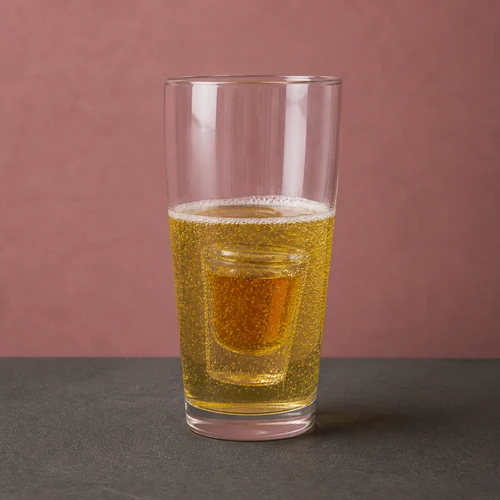
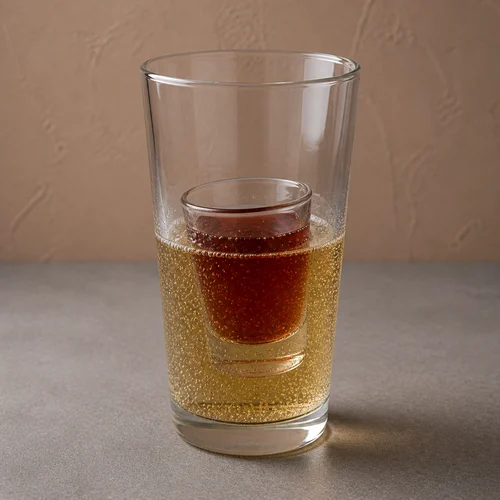
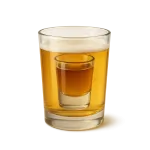
Jägerbomb
Ingredients for Jägerbomb — 2 total (2 shown).