Grape Juice
Non-Alcoholic (~0% ABV) Fruit Juices (Non-Citrus)
Grape juice is the pressed juice of grapes, used in beverages for its sweet fruit character and soft natural acidity. In mixology it functions as a non-citrus fruit mixer, contributing sweetness, body, and a distinctive grape aroma.

Flavor & Technical
This section summarizes the sensory balance and technical behavior of Grape Juice when used in cocktails, combining perceived flavor intensity with functional roles.
Flavor balance and intensity
Technical characteristics
How Grape Juice works in cocktails
Grape Juice is analyzed here as a working cocktail ingredient: how it changes flavor, what role it plays in a build, when it should be substituted, and which recipe patterns it supports.
Flavor role in cocktail balance
Grape juice delivers pronounced fruitiness and moderate to high sweetness with a rounded, vinous character. Acidity is generally low to moderate compared to citrus, bitterness is minimal, and the finish is smooth and slightly tannin-leaning depending on grape type and processing.
Best uses behind the bar
Used as a fruit mixer or base component to add sweetness, body, and grape aroma in punches, spritz-style builds, and fruit-forward mixed drinks. It can provide a wine-adjacent impression in non-alcoholic formats and helps soften sharper spirits through sugar and viscosity.
Substitutes in cocktail builds
White grape juice offers a lighter, less tannic profile with similar sweetness. Apple juice can replace sweetness and body but shifts aroma away from grape. Berry juices substitute fruitiness but alter acidity and color significantly.
Production and style context
Grape juice has been consumed for centuries alongside grape fermentation traditions. In the late 19th and early 20th centuries, pasteurized grape juice became popular as a non-alcoholic alternative to wine and a widely available fruit beverage.
Cocktails using Grape Juice
All cocktails in our collection that feature Grape Juice as a core ingredient.
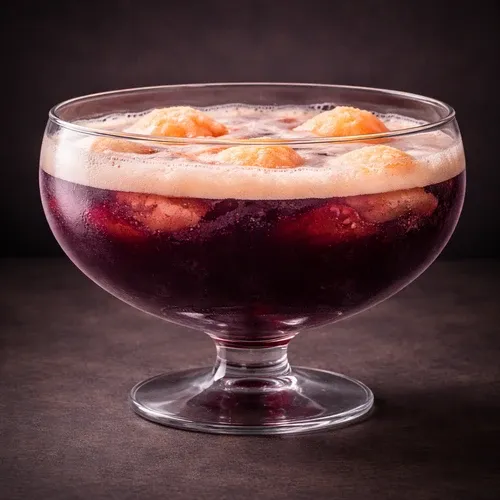
Halloween Punch


Ingredients for Halloween Punch — 3 total (3 shown).