Grapes
Non-Alcoholic (~0% ABV) Fresh Fruits (Solid/Garnish)
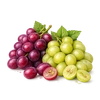
Grapes are fresh fruits used in beverages and garnishes for their natural sweetness, juiciness, and subtle acidity. In mixology they can be muddled, infused, or used whole to add fresh fruit character and visual appeal.
Flavor & Technical
This section summarizes the sensory balance and technical behavior of Grapes when used in cocktails, combining perceived flavor intensity with functional roles.
Flavor balance and intensity
Technical characteristics
How Grapes works in cocktails
Grapes is analyzed here as a working cocktail ingredient: how it changes flavor, what role it plays in a build, when it should be substituted, and which recipe patterns it supports.
Flavor role in cocktail balance
Grapes provide moderate to high sweetness with light natural acidity and a clean, juicy fruit character. Flavor ranges from floral and fresh to candy-like depending on variety, with no inherent bitterness and a soft, rounded finish.
Best uses behind the bar
Used as a fresh fruit component or garnish to add sweetness, juiciness, and visual appeal. Grapes can be muddled for gentle fruit extraction, skewered as garnish, or infused to lend subtle fruit notes without dominating the structure.
Substitutes in cocktail builds
Raisins or currants can substitute for sweetness and grape-derived flavor in muddled or infused applications, though they introduce dried-fruit notes. Grape juice can replace sweetness and aroma but lacks fresh texture and garnish utility.
Production and style context
Grapes have been cultivated for thousands of years and are among the earliest domesticated fruits. While best known for wine production, fresh grapes have long been consumed directly and used in beverages across Mediterranean and Near Eastern cultures.
Mixology notes
Flavor, sweetness, and acidity vary significantly between table grapes and wine grapes. Seedless grapes are the result of selective breeding rather than genetic modification and are commonly preferred for fresh consumption and garnish use.
Similar ingredients (by flavor & function)
Ingredients listed here share similar flavor characteristics or functional roles with Grapes, making them comparable in certain cocktail contexts.

Comparable in recipe usage, but structured flavor data is incomplete for this ingredient.
Cocktail using Grapes
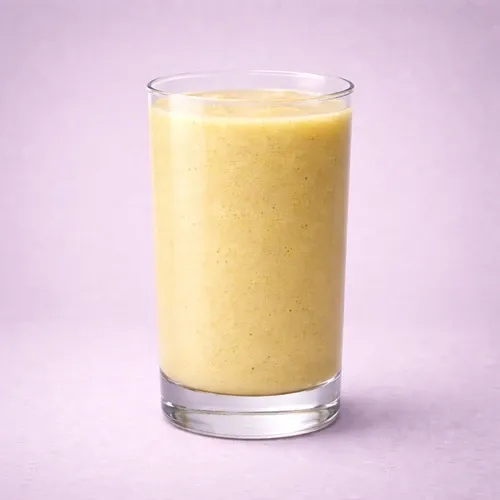
The only cocktail in our collection that features Grapes as a key ingredient.