Raisins
Non-Alcoholic (~0% ABV) Fresh Fruits (Solid/Garnish)
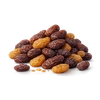
Raisins are dried grapes used in cocktails and infusions for concentrated dried-fruit sweetness, wine-like depth, chewy texture, and dark fruit aroma.
Flavor & Technical
This section summarizes the sensory balance and technical behavior of Raisins when used in cocktails, combining perceived flavor intensity with functional roles.
Flavor balance and intensity
Technical characteristics
How Raisins works in cocktails
Raisins is analyzed here as a working cocktail ingredient: how it changes flavor, what role it plays in a build, when it should be substituted, and which recipe patterns it supports.
Flavor role in cocktail balance
Raisins deliver sweet, dried, dark-fruited character with light tanginess and subtle tannin. Their flavor suggests grape, molasses, and oxidized fruit . They function best as an infusion or steeping ingredient rather than a fresh garnish, as their flavor releases slowly over time.
Best uses behind the bar
Used in mulled drinks, punches, sangria-style recipes, infusions, spiced syrups, dessert cocktails, rum-based drinks, brandy-based drinks, and winter or holiday serves.
Substitutes in cocktail builds
Dried currants are smaller and tarter. Prunes are darker and richer. Dried cranberries are brighter and sharper. Dates are sweeter and more caramel-like.
Production and style context
Raisins have served for centuries as a natural sweetener and flavor enhancer in cooking and beverages, valued by ancient civilizations for their taste and preservation qualities.
Mixology notes
Raisins contain antioxidants, fiber, and vitamins. They function as a versatile ingredient in both sweet and savory applications, offering concentrated flavor.
Similar ingredients (by flavor & function)
Ingredients listed here share similar flavor characteristics or functional roles with Raisins, making them comparable in certain cocktail contexts.

Comparable in recipe usage, but structured flavor data is incomplete for this ingredient.
Cocktail using Raisins
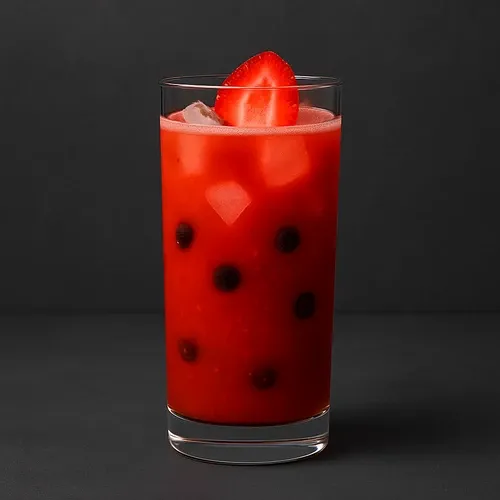
The only cocktail in our collection that features Raisins as a key ingredient.