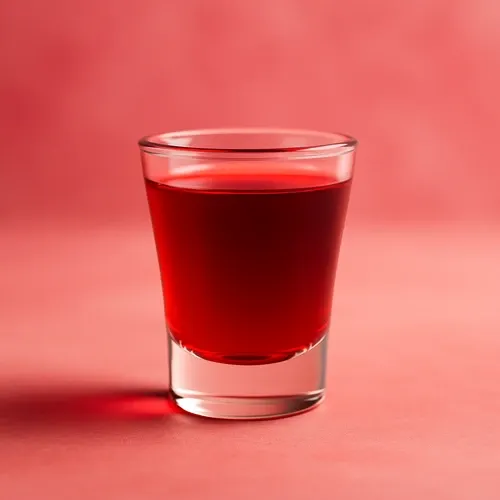
Cranberries
Non-Alcoholic (~0% ABV) Fresh Fruits (Solid/Garnish)
Cranberries are tart, red berries valued for their sharp acidity, vivid color, and refreshing bite, commonly used in drinks, garnishes, and culinary preparations.
Flavor & Technical
This section summarizes the sensory balance and technical behavior of Cranberries when used in cocktails, combining perceived flavor intensity with functional roles.
Flavor balance and intensity
Technical characteristics
How Cranberries works in cocktails
Cranberries is analyzed here as a working cocktail ingredient: how it changes flavor, what role it plays in a build, when it should be substituted, and which recipe patterns it supports.
Flavor role in cocktail balance
Cranberries deliver pronounced tartness with bright acidity, low natural sweetness, and a subtle bitter edge. Their flavor is sharp, clean, and refreshing, making them effective at cutting sweetness and adding contrast.
Best uses behind the bar
Cranberries are used as fresh garnish, muddled fruit , or juice base in cocktails and mocktails. They contribute acidity, color, and freshness, appearing frequently in citrus-forward, vodka-based, and seasonal drinks. Culinary applications include sauces, relishes, and reductions.
Substitutes in cocktail builds
Pomegranate seeds or juice, sour cherries, or raspberries can substitute for cranberries, depending on whether color, acidity, or fruit character is the primary requirement.
Production and style context
Native to North America, cranberries were used by Indigenous peoples for food, preservation, medicine, and dye. European settlers adopted them in the 17th century, leading to widespread cultivation and culinary use.
Mixology notes
Cranberries grow in flooded bogs and are harvested by floating due to internal air pockets. Their intense acidity means they are rarely eaten raw and are instead processed into juices, sauces, and sweetened preparations.
Cocktail using Cranberries
The only cocktail in our collection that features Cranberries as a key ingredient.