Dark Rum
Alcoholic (~40% ABV) Spirits
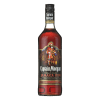
Dark rum is a style of rum typically produced from molasses and aged in oak barrels, or colored and enriched through extended aging and blending techniques. It is characterized by deeper color, fuller body, and more pronounced caramelized and oak-driven flavors compared to light or white rum styles.

Flavor & Technical
This section summarizes the sensory balance and technical behavior of Dark Rum when used in cocktails, combining perceived flavor intensity with functional roles.
Flavor balance and intensity
Technical characteristics
How Dark Rum works in cocktails
Dark Rum is analyzed here as a working cocktail ingredient: how it changes flavor, what role it plays in a build, when it should be substituted, and which recipe patterns it supports.
Flavor role in cocktail balance
Dark rum presents a rich and robust profile built around caramelized sugar , molasses, and toasted oak notes. Secondary aromas often include dried fruit such as raisin and prune, along with baking spices like cinnamon and clove . Sweetness is perceived as high due to molasses-derived aromatics rather than added sugar. The texture is round and weighty, and the finish is warm and lingering with subtle toasty and lightly smoky nuances.
Best uses behind the bar
Dark rum is commonly used as a base spirit in richness-driven and spirit-forward mixed drinks where body, warmth, and depth are required. It is foundational in tropical and tiki-style builds, often used alone or in blends to provide density and caramelized backbone. It also serves as the classic partner for ginger-based mixers in long drinks, where its molasses depth anchors spice and carbonation. Beyond cocktails, dark rum is widely used in baking, sauces, and desserts to add richness and aromatic complexity.
Substitutes in cocktail builds
Aged rum provides the closest structural substitution, though it may present a drier or lighter profile depending on aging style. Blackstrap rum can replace dark rum when a more intense molasses character is desired, while rum agricole vieux is generally a poor substitute due to its grassy, vegetal profile, which shifts balance dramatically. Spiced rum may replicate warmth and sweetness but introduces additional aromatic elements not intrinsic to dark rum.
Production and style context
Dark rum emerged alongside early Caribbean rum production, where molasses-based distillation and barrel aging developed naturally within the sugar trade. Over time, darker and heavier rum styles became associated with extended aging, blending practices, and richer flavor profiles, gaining prominence in both maritime culture and tropical drink traditions.
Mixology notes
The dark color of dark rum is not always a direct indicator of age. In many cases, producers use caramel coloring or heavy barrel char influence to standardize appearance, meaning two dark rums can differ significantly in age, sweetness, and intensity despite similar color.
Similar ingredients (by flavor & function)
Ingredients listed here share similar flavor characteristics or functional roles with Dark Rum, making them comparable in certain cocktail contexts.
Frequently paired with
These ingredients frequently appear alongside Dark Rum in cocktail recipes, based on co-occurrence across the database.
Used with Dark Rum in 7 cocktails
Used with Dark Rum in 4 cocktails
Used with Dark Rum in 4 cocktails
Explore cocktails with Dark Rum
Use these child hubs to compare Dark Rum across repeated cocktail patterns instead of reading recipes one by one. Each link groups recipes by a different structural signal.
By preparation method
Preparation method shows how Dark Rum behaves under technique: shaken for integration, stirred for clarity, built for direct length, heated for warmth, or blended for texture.


By glass
Glassware reveals serving format and dilution strategy for Dark Rum, separating short, spirit-led serves from tall, warm, frozen, or lengthened drinks.


Cocktails using Dark Rum
A curated selection of cocktails that showcase Dark Rum as a defining ingredient.
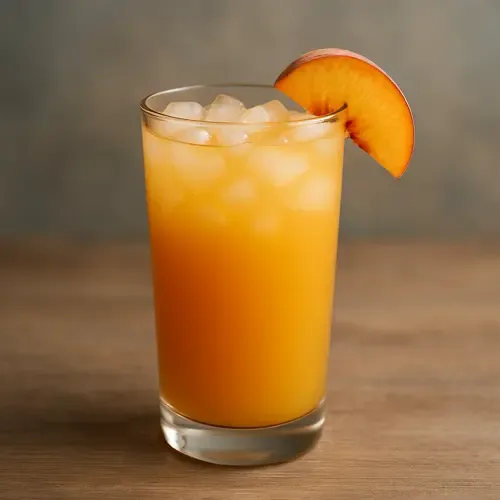
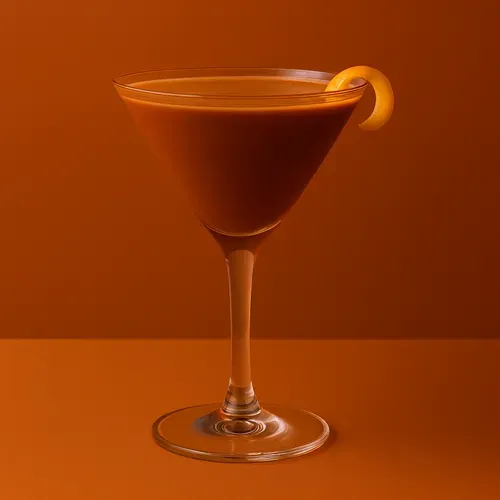
Abilene
Ingredients for Abilene — 4 total (3 shown, 1 more hidden).
+1

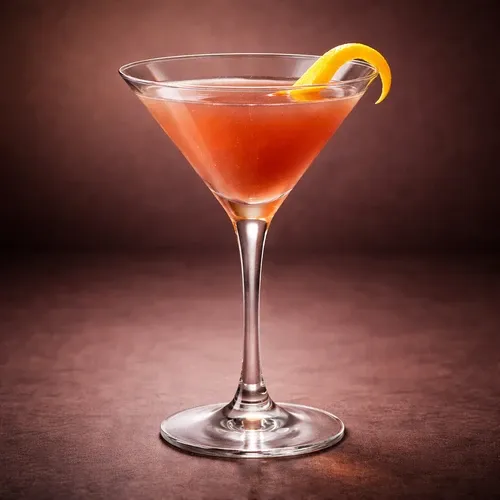
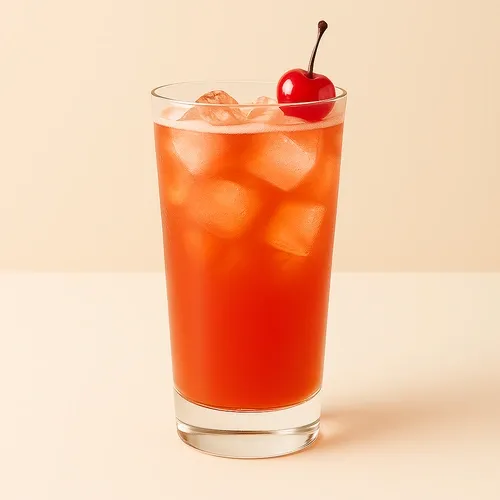
Adam
Ingredients for Adam — 4 total (3 shown, 1 more hidden).
+1