Egg White
Non-Alcoholic (~0% ABV) Dairy & Eggs
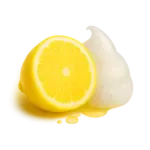
Egg white is the clear, protein-rich portion of an egg used in mixology for its emulsifying and foaming properties. When shaken, its proteins trap air and bind liquids, creating a stable foam and a silky mouthfeel without contributing sweetness or aroma.

Flavor & Technical
This section summarizes the sensory balance and technical behavior of Egg White when used in cocktails, combining perceived flavor intensity with functional roles.
Flavor balance and intensity
Technical characteristics
How Egg White works in cocktails
Egg White is analyzed here as a working cocktail ingredient: how it changes flavor, what role it plays in a build, when it should be substituted, and which recipe patterns it supports.
Flavor role in cocktail balance
Egg white contributes virtually no direct flavor. Its primary impact is textural: it creates a smooth, velvety mouthfeel, rounds sharp acidity, softens perceived alcohol heat, and integrates disparate components into a cohesive structure. Aroma impact is minimal, and sweetness, bitterness, and acidity remain unaffected.
Best uses behind the bar
Used as a foam and texture agent in shaken cocktails. Egg white is typically dry-shaken or reverse-dry-shaken with citrus and spirits to achieve proper emulsification, producing a dense, stable foam and a silky body that enhances visual presentation and balance without altering flavor.
Substitutes in cocktail builds
Aquafaba (chickpea brine) is the most common substitute, offering similar foaming and emulsifying behavior with a slightly lighter texture. Commercial foaming agents provide consistency and ease of use but lack the traditional mouthfeel of fresh egg white.
Production and style context
Egg white has been part of mixed drinks since the 19th century, appearing in early cocktail manuals as a technique for improving texture and balance. Its use became standard in sour-style cocktails, where it helped tame acidity and produce a visually appealing foam.
Mixology notes
During shaking, egg white proteins unfold and form a network that traps air bubbles, creating foam. This protein matrix also reduces the perception of sharp acidity and alcohol burn, making drinks feel smoother and more integrated without altering their flavor balance.
Frequently paired with
These ingredients frequently appear alongside Egg White in cocktail recipes, based on co-occurrence across the database.
Used with Egg White in 10 cocktails
Used with Egg White in 7 cocktails
Used with Egg White in 7 cocktails
Used with Egg White in 5 cocktails
Explore cocktails with Egg White
Use these child hubs to compare Egg White across repeated cocktail patterns instead of reading recipes one by one. Each link groups recipes by a different structural signal.
By preparation method
Preparation method shows how Egg White behaves under technique: shaken for integration, stirred for clarity, built for direct length, heated for warmth, or blended for texture.

By glass
Glassware reveals serving format and dilution strategy for Egg White, separating short, spirit-led serves from tall, warm, frozen, or lengthened drinks.


Cocktails using Egg White
A curated selection of cocktails that showcase Egg White as a defining ingredient.
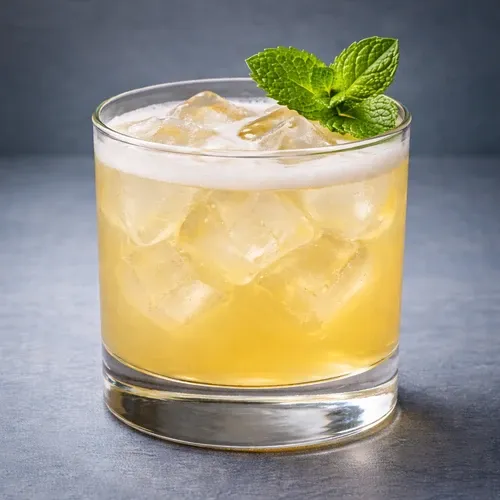
Acapulco
Ingredients for Acapulco — 6 total (3 shown, 3 more hidden).
+3

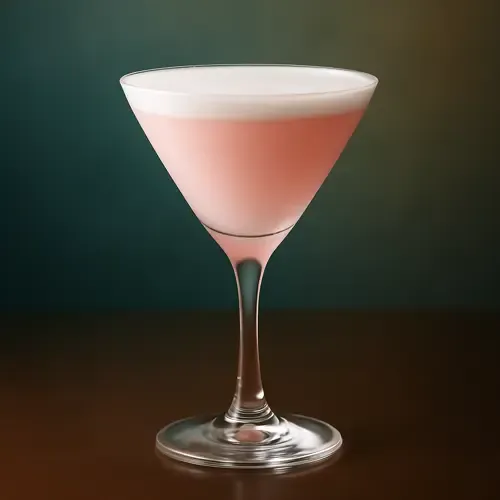
Ace
Ingredients for Ace — 5 total (3 shown, 2 more hidden).
+2