Egg
Non-Alcoholic (~0% ABV) Dairy & Eggs
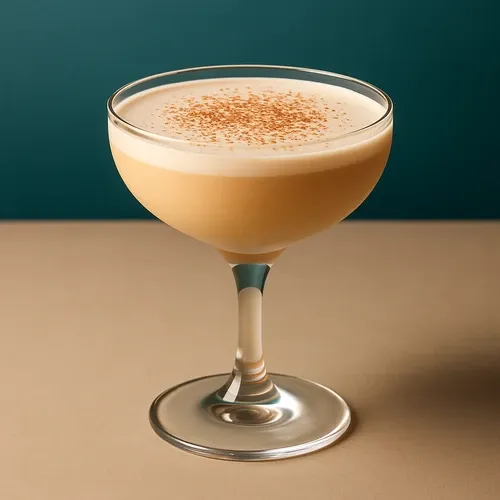
Egg is used in mixology primarily for its proteins and emulsifying properties, adding body, texture, and stable foam when shaken. It can be applied as egg white for aeration and silky mouthfeel, or as whole egg for richer weight and a custard-like texture in certain drink styles.

Flavor & Technical
This section summarizes the sensory balance and technical behavior of Egg when used in cocktails, combining perceived flavor intensity with functional roles.
Flavor balance and intensity
Technical characteristics
How Egg works in cocktails
Egg is analyzed here as a working cocktail ingredient: how it changes flavor, what role it plays in a build, when it should be substituted, and which recipe patterns it supports.
Flavor role in cocktail balance
Egg contributes minimal overt flavor when used correctly, but adds a distinct creamy texture, increased viscosity, and a smooth, velvety mouthfeel. Egg white creates light, stable foam and softens perceived acidity, while whole egg adds richer weight and a more rounded texture. Perceived umami remains subtle and secondary to textural impact.
Best uses behind the bar
Used as a texture and foam builder in shaken drinks. Egg white is employed to create a stable foam cap and silky mouthfeel through protein aeration and emulsification, typically via a dry shake followed by shaking with ice . Whole egg is used to add richer body and a custard-like texture in egg-forward preparations. Precise technique and fresh handling are essential for clean integration.
Substitutes in cocktail builds
Aquafaba (chickpea brine) can replace egg white for foam-building with a slightly different aroma and stability profile. Commercial foaming agents provide consistent foam without raw egg handling. Heavy cream can replace richness in some contexts but does not replicate the aerated foam structure of egg white.
Production and style context
Eggs have been used in mixed drinks since at least the 19th century, appearing in early bartender manuals as a way to add body and texture. Egg white and whole egg preparations became established in classic sour and flip-style structures as shaking technique and ice availability improved.
Mixology notes
Egg white foam is primarily a protein network formed during vigorous shaking; a brief dry shake helps initiate aeration before chilling with ice . Many classic egg-white preparations emphasize texture and aroma lift rather than adding sweetness, and a small amount of acid is typically needed to maintain fine, stable foam.
Similar ingredients (by flavor & function)
Ingredients listed here share similar flavor characteristics or functional roles with Egg, making them comparable in certain cocktail contexts.
Comparable in recipe usage, but structured flavor data is incomplete for this ingredient.
Comparable in recipe usage, but structured flavor data is incomplete for this ingredient.
Often paired with
These ingredients frequently appear alongside Egg in cocktail recipes, based on co-occurrence across the database.
Used with Egg in 4 cocktails
Explore cocktails with Egg
Use these child hubs to compare Egg across repeated cocktail patterns instead of reading recipes one by one. Each link groups recipes by a different structural signal.
By preparation method
Preparation method shows how Egg behaves under technique: shaken for integration, stirred for clarity, built for direct length, heated for warmth, or blended for texture.


By glass
Glassware reveals serving format and dilution strategy for Egg, separating short, spirit-led serves from tall, warm, frozen, or lengthened drinks.


Cocktails using Egg
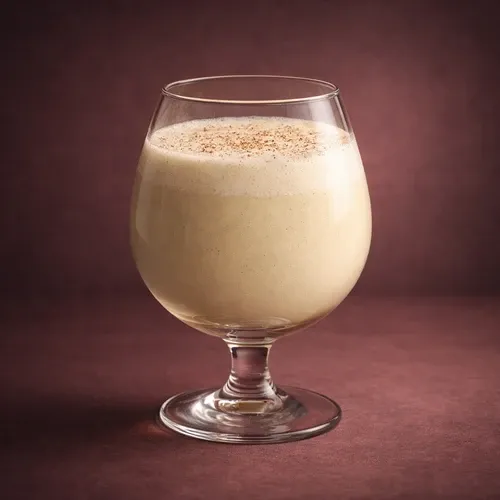
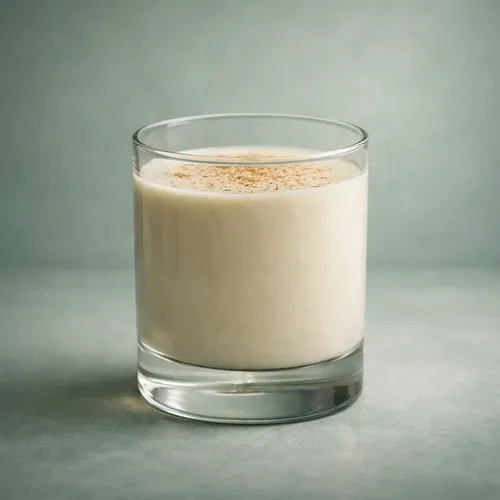
A curated selection of cocktails that showcase Egg as a defining ingredient.