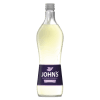
Elderflower Cordial
Non-Alcoholic (~0% ABV) Syrups & Sweeteners
Elderflower cordial is a non-alcoholic syrup produced by infusing elderflower blossoms in water with sugar, occasionally balanced with light citrus. In mixology, it functions as a floral sweetener, delivering aromatic lift and gentle sweetness without alcohol.

Flavor & Technical
This section summarizes the sensory balance and technical behavior of Elderflower Cordial when used in cocktails, combining perceived flavor intensity with functional roles.
Flavor balance and intensity
Technical characteristics
How Elderflower Cordial works in cocktails
Elderflower Cordial is analyzed here as a working cocktail ingredient: how it changes flavor, what role it plays in a build, when it should be substituted, and which recipe patterns it supports.
Flavor role in cocktail balance
Elderflower cordial offers pronounced floral aromatics with soft sweetness and a fresh, lightly citrus-leaning impression. Acidity ranges from low to moderate depending on formulation, bitterness is absent, and the overall profile remains delicate, perfumed, and refreshing rather than heavy.
Best uses behind the bar
Used as a floral sweetness driver and aromatic modifier. It adds perfume and lift to drinks while contributing controlled sweetness, typically applied in small measures to avoid overpowering other components. It also serves as a non-alcoholic alternative to floral liqueurs.
Substitutes in cocktail builds
Elderflower liqueur can substitute when alcohol is acceptable, adding similar aroma with ethanol and less syrupy sweetness. Jasmine or other floral syrups can replace the aromatic role but shift the floral character. Simple syrup with citrus zest approximates sweetness but lacks the distinctive elderflower aroma.
Production and style context
Elderflower cordials have long been prepared in Europe as seasonal syrups, taking advantage of spring elderflower blooms. Their use transitioned naturally into modern beverage culture as interest in floral flavors and low- or no-alcohol drinks increased.
Mixology notes
Elderflower aroma is highly volatile, which is why cordials are often used cold and added late to preserve fragrance. Small dosage changes can significantly alter perception due to the ingredient's intense aromatic profile.
Explore cocktails with Elderflower Cordial
Use these child hubs to compare Elderflower Cordial across repeated cocktail patterns instead of reading recipes one by one. Each link groups recipes by a different structural signal.
By preparation method
Preparation method shows how Elderflower Cordial behaves under technique: shaken for integration, stirred for clarity, built for direct length, heated for warmth, or blended for texture.

By glass
Glassware reveals serving format and dilution strategy for Elderflower Cordial, separating short, spirit-led serves from tall, warm, frozen, or lengthened drinks.


Cocktails using Elderflower Cordial
A curated selection of cocktails that showcase Elderflower Cordial as a defining ingredient.
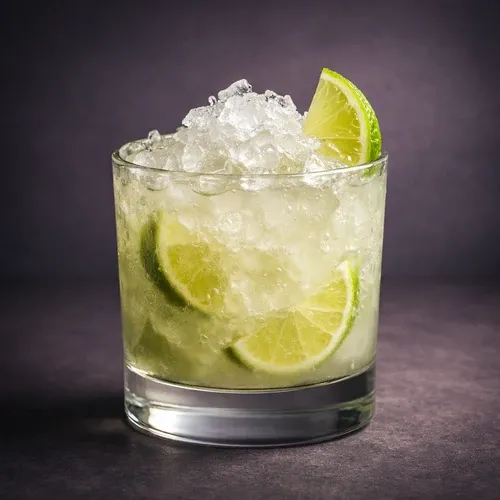
Elderflower Caipirinha

Ingredients for Elderflower Caipirinha — 4 total (3 shown, 1 more hidden).
+1

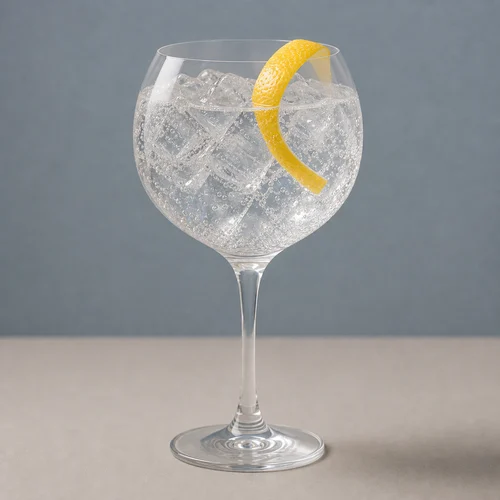
Elderflower Gin & Tonic
Ingredients for Elderflower Gin & Tonic — 4 total (3 shown, 1 more hidden).
+1
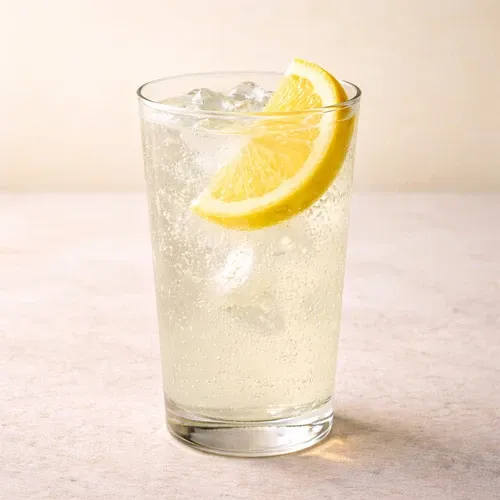
Lemon Elderflower Spritzer

Ingredients for Lemon Elderflower Spritzer — 5 total (3 shown, 2 more hidden).
+2