Mezcal
Alcoholic (~Typically 40–48% ABV) Spirits
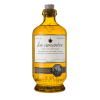
Mezcal is a traditional Mexican agave-based spirit defined by artisanal production methods and a pronounced smoky, earthy character. Unlike tequila, which is made exclusively from blue agave, mezcal can be produced from dozens of agave species and is typically cooked in underground earthen pits. This method, combined with spontaneous open-air fermentation, results in a spirit that strongly expresses raw agave character and regional terroir.

Flavor & Technical
This section summarizes the sensory balance and technical behavior of Mezcal when used in cocktails, combining perceived flavor intensity with functional roles.
Flavor balance and intensity
Technical characteristics
How Mezcal works in cocktails
Mezcal is analyzed here as a working cocktail ingredient: how it changes flavor, what role it plays in a build, when it should be substituted, and which recipe patterns it supports.
Flavor role in cocktail balance
Mezcal delivers a dry, rustic, and expressive profile where smoke is prominent but integrated rather than overwhelming. Earthy and mineral notes emerge early, followed by herbal and vegetal tones characteristic of cooked agave. Subtle citrus and pepper nuances appear on the mid-palate, while a faint bitter edge and savory finish reflect natural fermentation and traditional distillation techniques rather than wood influence or added sweetness.
Best uses behind the bar
Mezcal functions both as a base spirit and as a structural modifier to introduce smoke, earthiness, and complexity into mixed drinks. It excels in split-base constructions, where small proportions can dramatically reshape aroma and depth without dominating the entire profile. Its intensity makes it particularly effective when a rustic, smoky dimension is desired while preserving agave identity.
Substitutes in cocktail builds
Tequila can substitute mezcal when agave structure is required but smokiness is not essential. Conversely, peated or smoked spirits may replicate the sensation of smoke but cannot replace mezcal's vegetal agave backbone. Effective substitution depends on whether the goal is to preserve agave character or simply introduce smoke, as the two functions are not interchangeable.
Production and style context
Mezcal has been produced in Mexico for centuries, with roots predating Spanish colonization. Early distillation practices evolved from indigenous fermentation traditions and adapted to local materials and geography. Long regarded as a regional and rustic product, mezcal gained global recognition in the late 20th century as interest in artisanal spirits, regional identity, and traditional production methods expanded.
Mixology notes
Despite popular myths, the presence of a worm in mezcal bottles is not traditional and serves primarily as a marketing device. Mezcal is one of the spirits most strongly influenced by terroir: agave species, soil composition, altitude, climate, and cooking methods all play a decisive role in shaping flavor, often resulting in dramatic variation between regions and producers.
Often paired with
These ingredients frequently appear alongside Mezcal in cocktail recipes, based on co-occurrence across the database.
Used with Mezcal in 4 cocktails
Explore cocktails with Mezcal
Use these child hubs to compare Mezcal across repeated cocktail patterns instead of reading recipes one by one. Each link groups recipes by a different structural signal.
By preparation method
Preparation method shows how Mezcal behaves under technique: shaken for integration, stirred for clarity, built for direct length, heated for warmth, or blended for texture.

By glass
Glassware reveals serving format and dilution strategy for Mezcal, separating short, spirit-led serves from tall, warm, frozen, or lengthened drinks.


Cocktails using Mezcal
A curated selection of cocktails that showcase Mezcal as a defining ingredient.
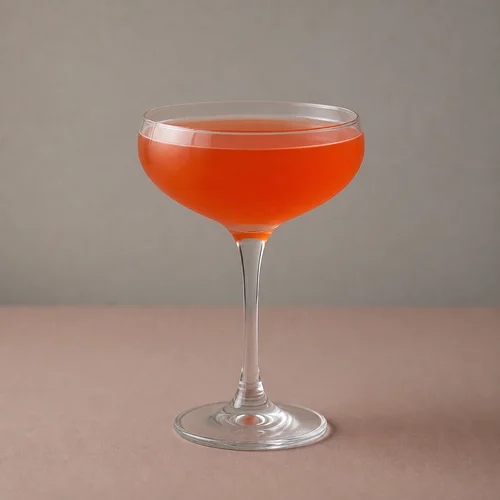
Division Bell
Ingredients for Division Bell — 4 total (3 shown, 1 more hidden).
+1

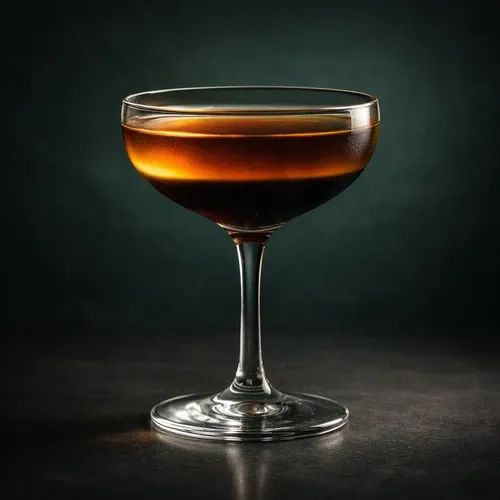
Empellón Cocina's Fat-Washed Mezcal

Ingredients for Empellón Cocina's Fat-Washed Mezcal — 3 total (3 shown).

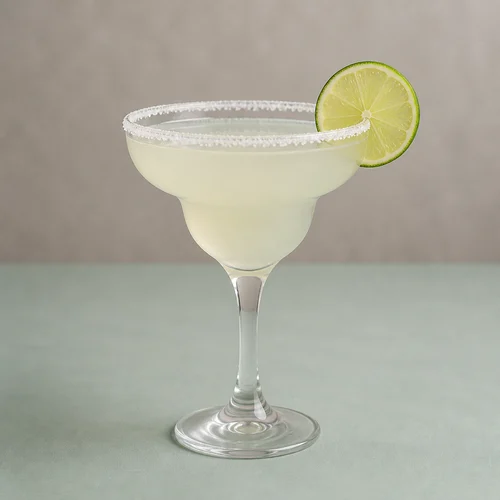
Mezcal Margarita

Ingredients for Mezcal Margarita — 6 total (3 shown, 3 more hidden).
+3