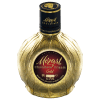
Chocolate Liqueur
Alcoholic (~15–25% ABV) Liqueurs & Cordials
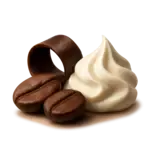
Chocolate liqueur is a cocoa-flavored alcoholic liqueur designed for mixology as a sweet, dessert-style modifier. It provides chocolate aroma, sweetness, and body rather than primary alcoholic structure.

Flavor & Technical
This section summarizes the sensory balance and technical behavior of Chocolate Liqueur when used in cocktails, combining perceived flavor intensity with functional roles.
Flavor balance and intensity
Technical characteristics
How Chocolate Liqueur works in cocktails
Chocolate Liqueur is analyzed here as a working cocktail ingredient: how it changes flavor, what role it plays in a build, when it should be substituted, and which recipe patterns it supports.
Flavor role in cocktail balance
Chocolate liqueur delivers pronounced cocoa sweetness with soft bitterness and creamy, rounded aromatics. The profile is rich and velvety, with low acidity and moderate aromatic persistence.
Best uses behind the bar
Used as a sweet cocoa modifier to add chocolate flavor, sweetness, and texture. Chocolate liqueur functions as a secondary component in shaken or built preparations, contributing dessert-like richness rather than serving as a base spirit.
Substitutes in cocktail builds
Cocoa syrup combined with a neutral spirit can approximate chocolate liqueur when sweetness and cocoa flavor are required. Coffee liqueur provides depth but shifts the profile toward roasted bitterness.
Production and style context
Chocolate liqueurs emerged as spirits and cocoa became more widely available, evolving from early chocolate-infused brandies into modern sweet liqueurs intended specifically for mixed drinks.
Similar ingredients (by flavor & function)
Ingredients listed here share similar flavor characteristics or functional roles with Chocolate Liqueur, making them comparable in certain cocktail contexts.
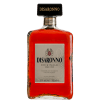
Comparable in recipe usage, but structured flavor data is incomplete for this ingredient.
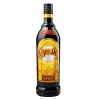
Comparable in recipe usage, but structured flavor data is incomplete for this ingredient.
Explore cocktails with Chocolate Liqueur
Use these child hubs to compare Chocolate Liqueur across repeated cocktail patterns instead of reading recipes one by one. Each link groups recipes by a different structural signal.

Cocktails using Chocolate Liqueur
All cocktails in our collection that feature Chocolate Liqueur as a core ingredient.
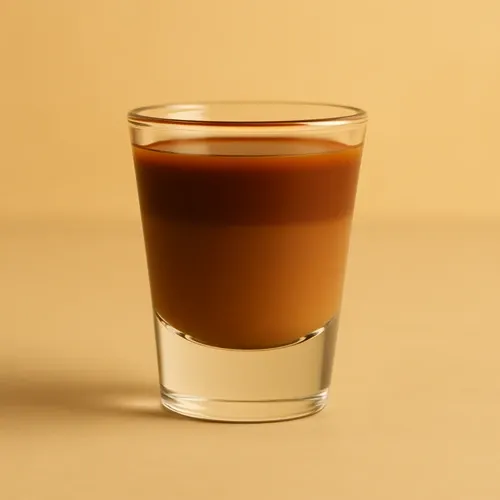
Chocolate Milk


Ingredients for Chocolate Milk — 3 total (3 shown).

Empellón Cocina's Fat-Washed Mezcal


Ingredients for Empellón Cocina's Fat-Washed Mezcal — 3 total (3 shown).