Butter
Non-Alcoholic (~0% ABV) Dairy & Eggs
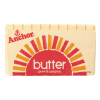
Butter is a fat-based dairy ingredient used in mixology for its ability to modify texture and carry aroma. It introduces richness and weight through its lipid content rather than contributing sweetness or acidity, influencing mouthfeel and aromatic perception when properly integrated.
Flavor & Technical
This section summarizes the sensory balance and technical behavior of Butter when used in cocktails, combining perceived flavor intensity with functional roles.
Flavor balance and intensity
Technical characteristics
How Butter works in cocktails
Butter is analyzed here as a working cocktail ingredient: how it changes flavor, what role it plays in a build, when it should be substituted, and which recipe patterns it supports.
Flavor role in cocktail balance
Butter presents a neutral to lightly lactonic flavor with subtle dairy and creamy notes. It provides no sweetness, acidity, bitterness, or fruit character. Its primary impact is textural, creating a round, coating mouthfeel and softening sharper edges in a drink.
Best uses behind the bar
Used as a fat modifier to enhance mouthfeel and aromatic delivery. Butter is applied through controlled melting, infusion, or fat-washing techniques, where it binds aromatic compounds and increases perceived richness. It functions as a secondary modifier focused on texture rather than flavor intensity.
Substitutes in cocktail builds
Other fat-based ingredients such as clarified butter or neutral oils can replace butter when a similar textural effect is required. Substitutes differ in aroma, melting point, and coating behavior, which alters the final mouthfeel and aromatic profile.
Production and style context
Butter has long been incorporated into warm beverages for richness and caloric density. In modern mixology, its role evolved through the adoption of fat-washing techniques, where dairy fats are used to reshape texture and aroma without adding sweetness.
Mixology notes
Because butter is solid at low temperatures, it must be fully melted or emulsified before use. Improper integration can lead to separation or solidification, making technique critical when incorporating butter into cocktails.
Cocktail using Butter
The only cocktail in our collection that features Butter as a key ingredient.