Falernum
Non-Alcoholic (~0% ABV) Syrups & Sweeteners
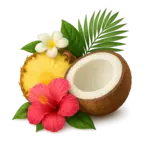
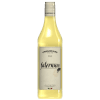
Falernum is a sweet, non-alcoholic syrup traditionally associated with Caribbean flavors, made by combining sugar with almond, ginger, clove, and citrus (often lime). In mixology it functions as a spiced sweetener, delivering warmth, aroma, and tropical character without alcohol.

Flavor & Technical
This section summarizes the sensory balance and technical behavior of Falernum when used in cocktails, combining perceived flavor intensity with functional roles.
Flavor balance and intensity
Technical characteristics
How Falernum works in cocktails
Falernum is analyzed here as a working cocktail ingredient: how it changes flavor, what role it plays in a build, when it should be substituted, and which recipe patterns it supports.
Flavor role in cocktail balance
Falernum presents a layered profile combining pronounced sweetness with warm baking spices, fresh citrus lift, and nutty almond notes. Spice and citrus aromatics are prominent, while bitterness remains minimal and acidity appears only as a light balancing element. The overall impression is rich, perfumed, and distinctly tropical.
Best uses behind the bar
Used as a spiced sweetness driver and aromatic modifier. Falernum adds body, warmth, and complexity in small measures, allowing a single component to contribute sugar , spice, and citrus notes simultaneously. It is typically applied sparingly to preserve balance.
Substitutes in cocktail builds
A house-made spiced syrup using sugar , almond extract or orgeat, ginger , clove , and citrus zest can approximate falernum's function. Orgeat alone replaces almond sweetness but lacks spice and citrus complexity, while spiced syrups without almond shift the profile away from traditional falernum character.
Production and style context
Falernum originated in the Caribbean, particularly Barbados, during the 19th century as a spiced sweetener used alongside rum . Over time it became closely associated with tropical and island-style drinks, with both alcoholic and non-alcoholic versions emerging.
Similar ingredients (by flavor & function)
Ingredients listed here share similar flavor characteristics or functional roles with Falernum, making them comparable in certain cocktail contexts.
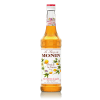
Comparable in recipe usage, but structured flavor data is incomplete for this ingredient.
Explore cocktails with Falernum
Use these child hubs to compare Falernum across repeated cocktail patterns instead of reading recipes one by one. Each link groups recipes by a different structural signal.
By glass
Glassware reveals serving format and dilution strategy for Falernum, separating short, spirit-led serves from tall, warm, frozen, or lengthened drinks.


Cocktails using Falernum
All cocktails in our collection that feature Falernum as a core ingredient.
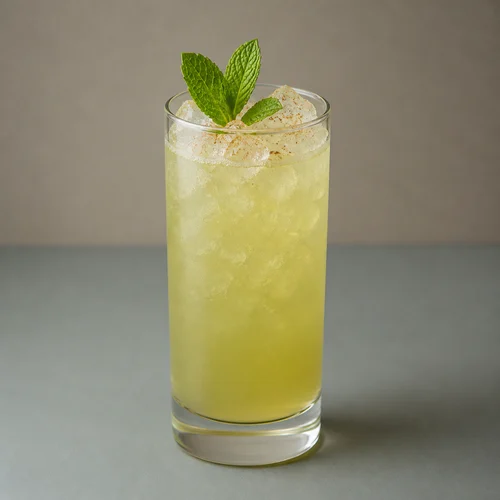
Chartreuse Swizzle

Ingredients for Chartreuse Swizzle — 6 total (3 shown, 3 more hidden).
+3

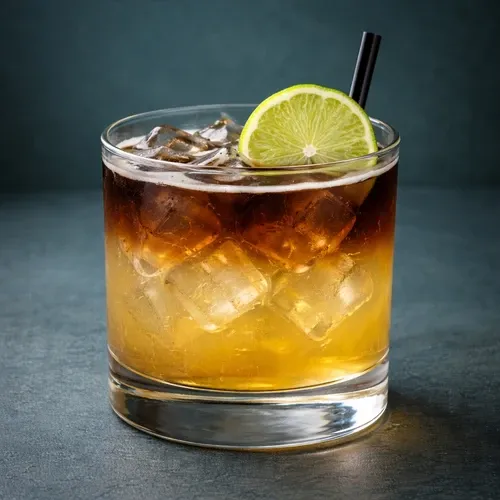
Corn 'n Oil


Ingredients for Corn 'n Oil — 6 total (3 shown, 3 more hidden).
+3