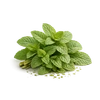
Mint
Non-Alcoholic (~0% ABV) Fresh Herbs & Botanicals
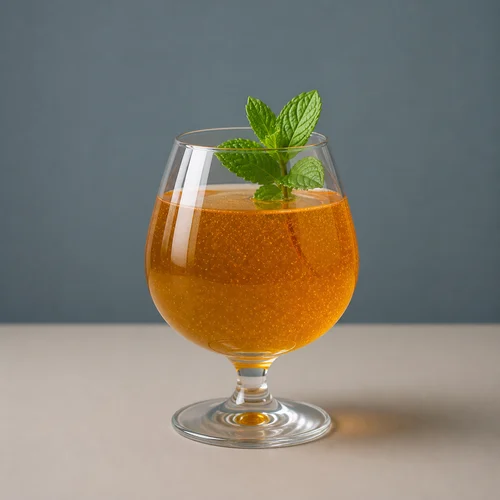
Mint is a fresh aromatic herb used to bring cooling menthol aroma, green freshness, and visual lift to cocktails.

Flavor & Technical
This section summarizes the sensory balance and technical behavior of Mint when used in cocktails, combining perceived flavor intensity with functional roles.
Flavor balance and intensity
Technical characteristics
How Mint works in cocktails
Mint is analyzed here as a working cocktail ingredient: how it changes flavor, what role it plays in a build, when it should be substituted, and which recipe patterns it supports.
Flavor role in cocktail balance
Mint delivers intense aromatic presence with green, cooling, and lightly bitter characteristics when bruised too aggressively. Its primary contribution is aromatic rather than gustatory: the scent of fresh mint alters perceived freshness before the liquid reaches the palate. Gentle handling is essential, as torn stems and over-muddled leaves introduce harsh vegetal bitterness.
Best uses behind the bar
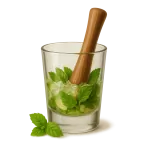
Used in Mojitos, Mint Juleps, Southsides, smashes, swizzles, tropical drinks, non-alcoholic coolers, and herb-forward highballs. Application methods include gentle muddling, brief shaking, aromatic slapping for garnish, or incorporation via syrup.
Substitutes in cocktail builds
Spearmint is the standard cocktail mint. Basil provides a peppery green alternative, lemon balm offers citrus-herbal softness, and mint syrup can supply both sweetness and aroma when fresh mint is unavailable.
Production and style context
Mint has been used for centuries in culinary and medicinal traditions across Mediterranean and Middle Eastern cultures. Its refreshing properties made it a natural addition to beverages long before modern cocktail culture.
Mixology notes
Mint's cooling sensation results from menthol activating cold-sensitive receptors rather than lowering actual temperature. Excessive handling releases bitter plant compounds, which is why restrained technique is preferred in cocktail preparation.
Frequently paired with
These ingredients frequently appear alongside Mint in cocktail recipes, based on co-occurrence across the database.
Used with Mint in 15 cocktails
Used with Mint in 7 cocktails
Used with Mint in 5 cocktails
Used with Mint in 5 cocktails
Used with Mint in 4 cocktails
Explore cocktails with Mint
Use these child hubs to compare Mint across repeated cocktail patterns instead of reading recipes one by one. Each link groups recipes by a different structural signal.
By preparation method
Preparation method shows how Mint behaves under technique: shaken for integration, stirred for clarity, built for direct length, heated for warmth, or blended for texture.


By glass
Glassware reveals serving format and dilution strategy for Mint, separating short, spirit-led serves from tall, warm, frozen, or lengthened drinks.


Cocktails using Mint
A curated selection of cocktails that showcase Mint as a defining ingredient.
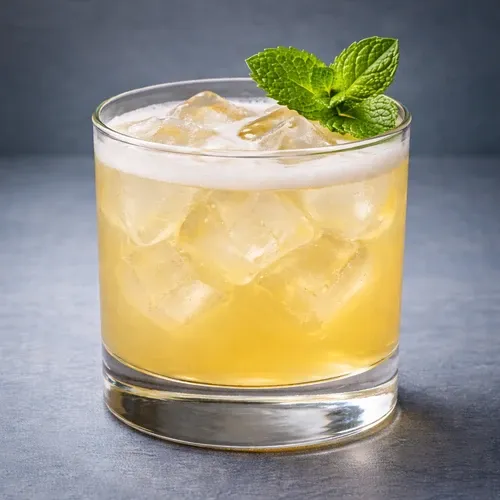
Acapulco
Ingredients for Acapulco — 6 total (3 shown, 3 more hidden).
+3

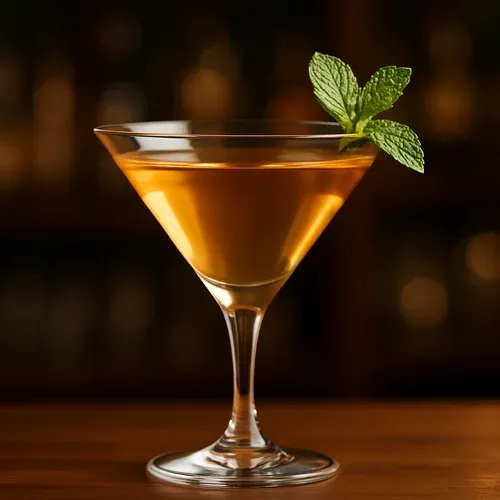
Amaretto Stinger

Ingredients for Amaretto Stinger — 3 total (3 shown).
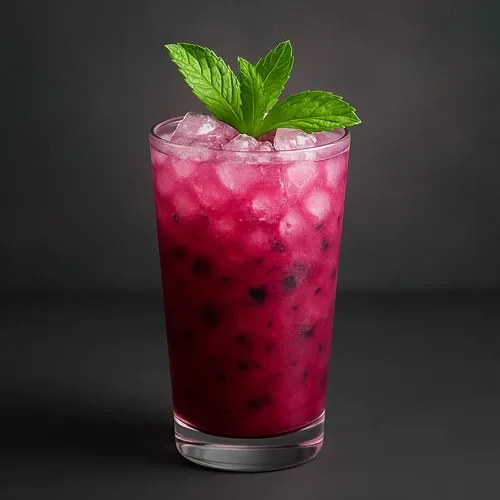
Blueberry Mojito
Ingredients for Blueberry Mojito — 6 total (3 shown, 3 more hidden).
+3