Cocktails Served in a Julep Cup

Cocktails grouped by julep cup service, where glass shape affects aroma, temperature and presentation
Browse julep cup cocktails with recipes, ingredients, serving context and glassware-specific guidance.
Explore sections by


Filter Cocktails by Letter
(No filters active)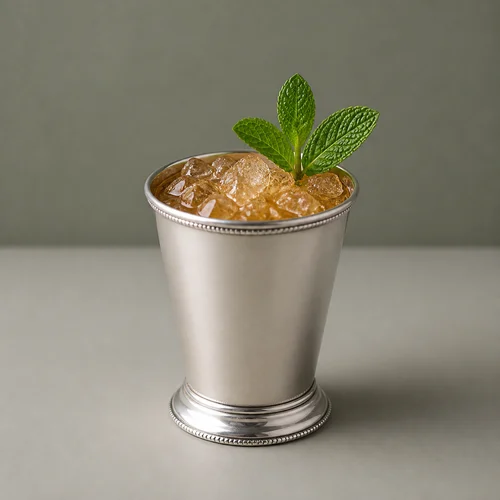

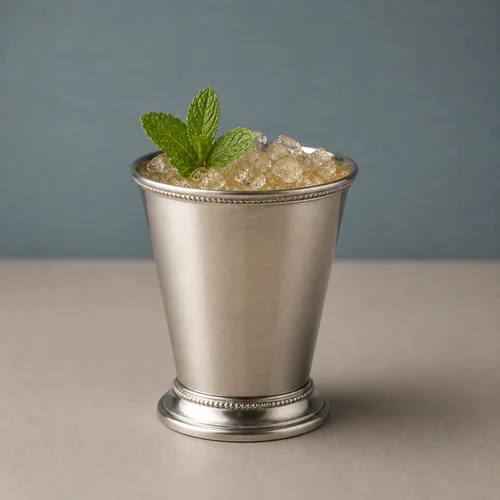

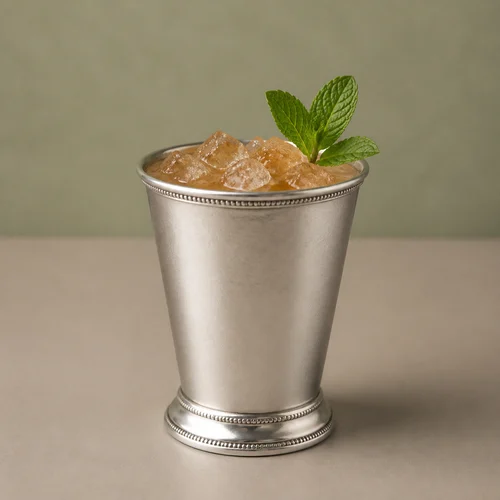
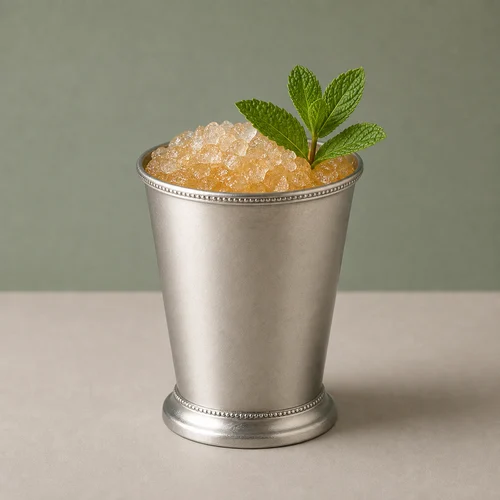
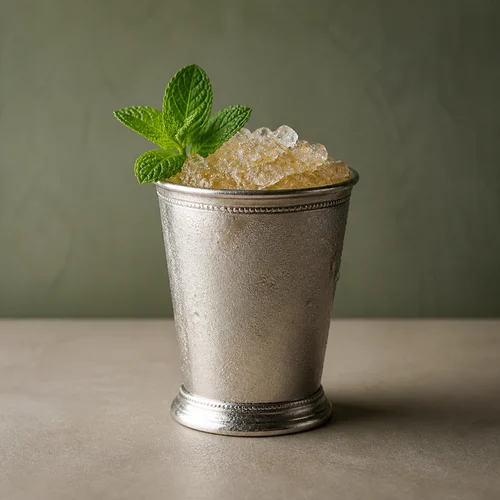
Georgia Mint Julep
Ingredients for Georgia Mint Julep — 5 total (3 shown, 2 more hidden).
+2
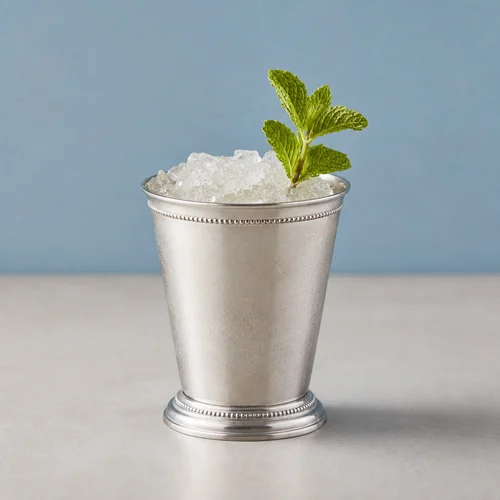
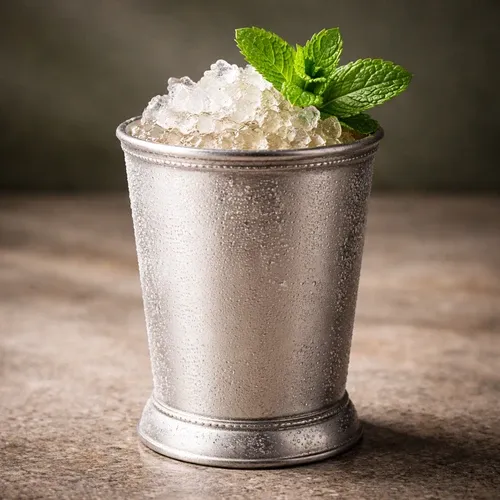
Peach Julep
Ingredients for Peach Julep — 4 total (3 shown, 1 more hidden).
+1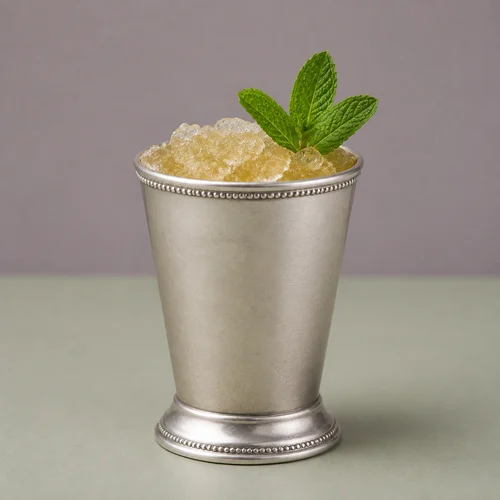
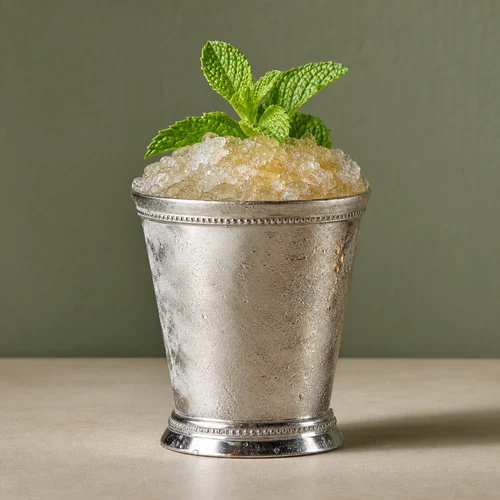
Pineapple Julep
Ingredients for Pineapple Julep — 4 total (3 shown, 1 more hidden).
+1
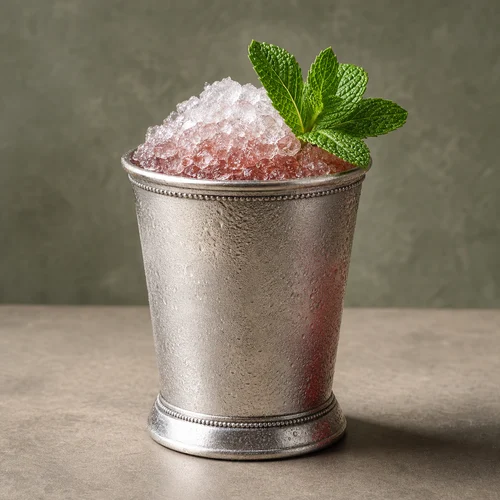
Raspberry Julep
Ingredients for Raspberry Julep — 3 total (3 shown).

Explore cocktails served in the Julep Cup
These notes explain why Julep Cup service changes aroma, temperature and presentation.
Julep Cup Glass Essentials:
Serving cocktails in a julep cup keeps dilution, aroma, and garnish aligned with the recipe's intent.

Ice & Texture Control:
Master chilling and dilution by consulting the technique guides for building, stirring, and rolling techniques tailored to julep cup serves.
Ingredient Pairings:
Use Find by Ingredients to surface carbonated mixers, fresh citrus, and modifiers that shine in julep cup cocktails.

Stock Your Bar:
Browse the Ingredients directory to confirm you have the spirits, syrups, and garnishes that suit julep cup recipes.
Frequently Asked Questions about Julep Cup cocktails
A julep cup cocktail is assembled directly in the serving glass over ice, without a shaker or mixing glass. Flavor, dilution and texture evolve naturally as the guest drinks.
Choose it for long drinks, highballs, spirit-and-mixer formulas, or any serve where no aeration or emulsification is required. It is the fastest, most efficient method for casual, refreshing cocktails.
Benchmark serves include Mint Julep, Gin Julep and Whiskey Julep, all ideal examples of natural integration over ice.
Use dense, cold ice and add ingredients in stages, tasting as you go. Gentle stirring integrates without over-diluting, and you can adjust strength with extra mixer.
Absolutely. Large, dense cubes dilute slowly and keep flavors crisp. Crushed ice dilutes faster and softens intensity, perfect for tropical serves.
A brief, gentle stir is usually enough to integrate layers without losing carbonation or structure. Over-stirring can wash out flavor or flatten bubbles.
Yes—soda, tonic, ginger beer and sparkling water are ideal, as they lift the drink and refresh it as ice melts. Add bubbles last to preserve effervescence.
Because dilution and carbonation interact over time, allowing flavors to soften, stretch and realign in the glass.
Yes: pre-dilute, chill, and store the mix cold, then top with fresh ice and carbonation at service time.
Spirit-plus-mixer formulas (rum, whiskey, gin, tequila) and bright modifiers like lime, grapefruit or ginger. Effervescent mixers pair especially well because they shape body and texture without shaking.
Yes: cocktails with citrus, egg white or dairy should be shaken for proper emulsification and aeration. Spirit-forward classics are better stirred to maintain clarity.
Sweetness can be lowered with extra mixer or raised with a small syrup top. Strength is adjusted by increasing spirit or adding dilution via ice or mixer.
Yes—citrus wheels, fresh herbs, bitters and aromatic sprays help reinforce the drink’s profile as it evolves.
Yes. Add ingredients slowly over the back of a spoon to create gentle layers before stirring. The first sips will highlight separation before the drink integrates fully.
It minimizes cleanup, speeds up production, allows guest-friendly top-ups, and creates a visually honest build that feels relaxed and approachable.
Garnishes should be expressive but contained, like thick citrus peels (orange or lemon) and quality cocktail cherries, designed to enhance the aromatic surface.
Next paths
Keep exploring cocktails
Use these context routes to move from this list into stronger cocktail discovery paths.