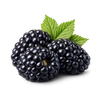
Blackberries
Non-Alcoholic (~0% ABV) Fresh Fruits (Solid/Garnish)
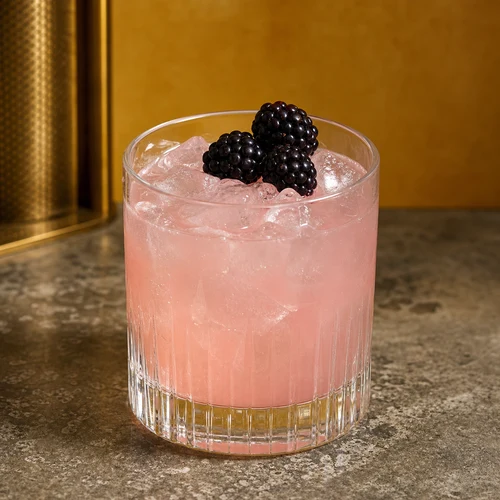
Blackberries are fresh berries used in cocktails for dark berry aroma, tart-sweet juice, purple-red color, soft pulp, and a faint tannic edge.

Flavor & Technical
This section summarizes the sensory balance and technical behavior of Blackberries when used in cocktails, combining perceived flavor intensity with functional roles.
Flavor balance and intensity
Technical characteristics
How Blackberries works in cocktails
Blackberries is analyzed here as a working cocktail ingredient: how it changes flavor, what role it plays in a build, when it should be substituted, and which recipe patterns it supports.
Flavor role in cocktail balance
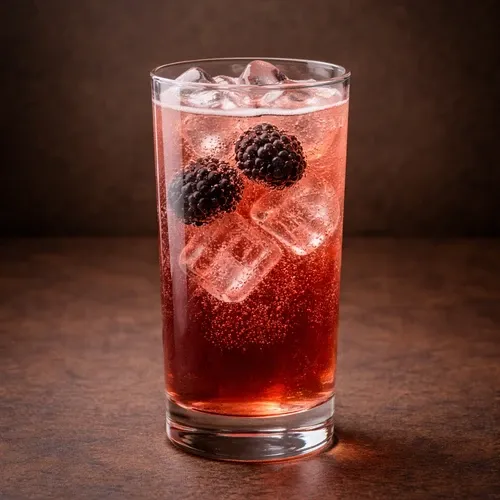
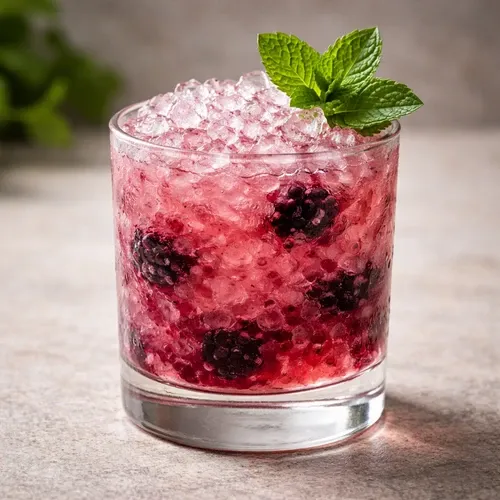
Blackberries are juicy, dark-fruited, moderately sweet, mildly acidic, and slightly earthy. When muddled, they release color and pulp that lend cocktails a rustic berry texture; left whole, they contribute aroma and visual depth with minimal structural impact.
Best uses behind the bar
Used in brambles, berry sours, smashes, julep-style drinks, gin and bourbon cocktails, sparkling berry highballs, punches, and non-alcoholic coolers. They pair well with lemon , lime , mint , basil , gin, whiskey , rum , sparkling wine, and honey .
Substitutes in cocktail builds
Raspberries are brighter and more acidic. Blueberries are milder and less tart. Blackcurrant or cassis provides deeper color and stronger tannin. Mixed berries can work in casual applications.
Production and style context
Blackberries have been consumed for centuries across Europe and the Americas, both wild and cultivated. In beverages and early mixed drinks, fresh berries were traditionally used for muddling, infusions, and garnishing long before commercial fruit liqueurs and syrups became common.
Mixology notes
Blackberries contain natural pigments that intensify color when muddled or lightly crushed. Their skins and seeds contribute mild tannins, which can subtly increase perceived dryness and structure in cocktails when used in moderation.
Explore cocktails with Blackberries
Use these child hubs to compare Blackberries across repeated cocktail patterns instead of reading recipes one by one. Each link groups recipes by a different structural signal.
By preparation method
Preparation method shows how Blackberries behaves under technique: shaken for integration, stirred for clarity, built for direct length, heated for warmth, or blended for texture.

By glass
Glassware reveals serving format and dilution strategy for Blackberries, separating short, spirit-led serves from tall, warm, frozen, or lengthened drinks.


Cocktails using Blackberries
All cocktails in our collection that feature Blackberries as a core ingredient.
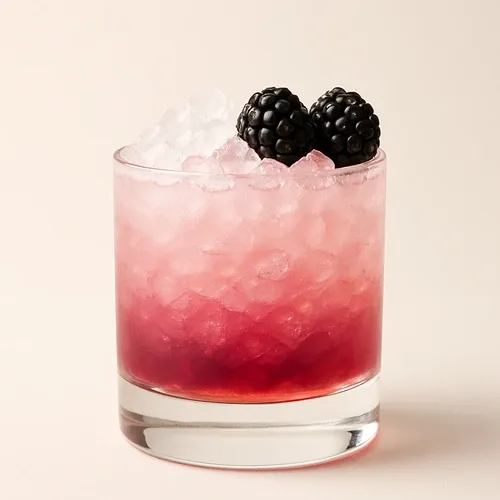
Bramble
Ingredients for Bramble — 6 total (3 shown, 3 more hidden).
+3

Hunter’s Moon


Ingredients for Hunter’s Moon — 5 total (3 shown, 2 more hidden).
+2

Mountain Bramble

Ingredients for Mountain Bramble — 6 total (3 shown, 3 more hidden).
+3