Blueberries
Non-Alcoholic (~0% ABV) Fresh Fruits (Solid/Garnish)
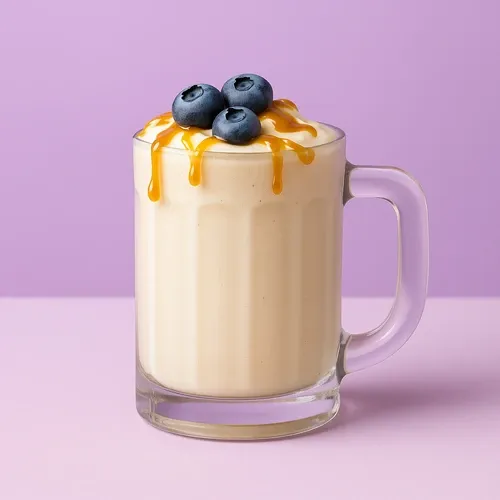
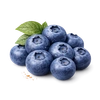
Blueberries are fresh berries used in mixology for their soft fruit sweetness, deep blue-purple color, and gentle acidity. When muddled or blended, they contribute both flavor and texture, adding body and visual depth to cocktails without overwhelming the base spirit.

Flavor & Technical
This section summarizes the sensory balance and technical behavior of Blueberries when used in cocktails, combining perceived flavor intensity with functional roles.
Flavor balance and intensity
Technical characteristics
How Blueberries works in cocktails
Blueberries is analyzed here as a working cocktail ingredient: how it changes flavor, what role it plays in a build, when it should be substituted, and which recipe patterns it supports.
Flavor role in cocktail balance
Blueberries offer a mild, rounded fruit profile with moderate natural sweetness and low to medium acidity. Their flavor is soft and non-aggressive, leaning toward dark berry notes with a subtle earthy undertone. In cocktails, they integrate smoothly rather than cutting sharply, making them suitable for balanced, fruit-forward builds.
Best uses behind the bar
Used primarily as a fruit body contributor and color source. Blueberries are commonly muddled to release juice and pigments, blended or pureed for fuller texture, or applied as a garnish element. They function as a secondary modifier rather than a base, contributing softness, fruit depth, and visual richness in shaken or blended preparations.
Substitutes in cocktail builds
Blackberries or raspberries can replace blueberries when a similar berry-driven body and color contribution is required. These substitutes increase acidity and intensity, resulting in a sharper and more assertive fruit expression compared to blueberries.
Production and style context
Blueberries are native to North America and were traditionally harvested and preserved by Indigenous populations long before commercial cultivation. Their use in beverages evolved naturally from culinary applications, later finding a place in modern mixology as fresh-fruit techniques such as muddling and blending became widespread.
Mixology notes
The deep blue-purple color of blueberries comes from anthocyanins, which readily tint a drink when the fruit is crushed. This makes blueberries particularly effective for adding natural color to cocktails, especially in muddled or blended formats.
Similar ingredients (by flavor & function)
Ingredients listed here share similar flavor characteristics or functional roles with Blueberries, making them comparable in certain cocktail contexts.
Comparable in recipe usage, but structured flavor data is incomplete for this ingredient.
Explore cocktails with Blueberries
Use these child hubs to compare Blueberries across repeated cocktail patterns instead of reading recipes one by one. Each link groups recipes by a different structural signal.

Cocktails using Blueberries
All cocktails in our collection that feature Blueberries as a core ingredient.
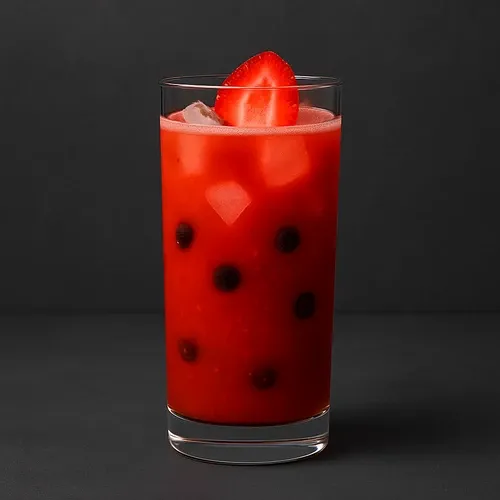
Bloody Punch


Ingredients for Bloody Punch — 7 total (3 shown, 4 more hidden).
+4

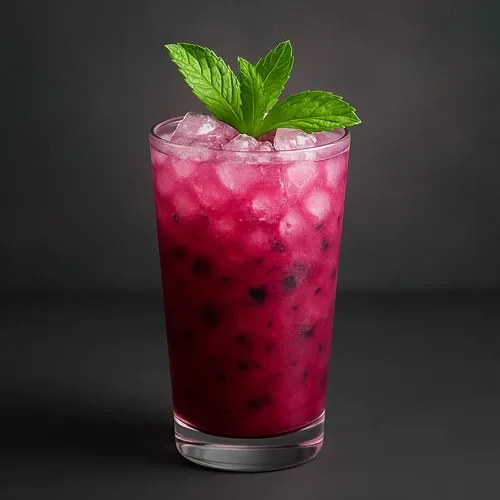
Blueberry Mojito


Ingredients for Blueberry Mojito — 6 total (3 shown, 3 more hidden).
+3
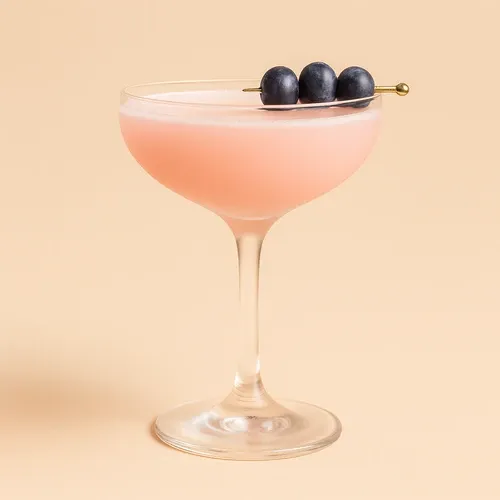
Bounty Hunter


Ingredients for Bounty Hunter — 5 total (3 shown, 2 more hidden).
+2