Serving Style
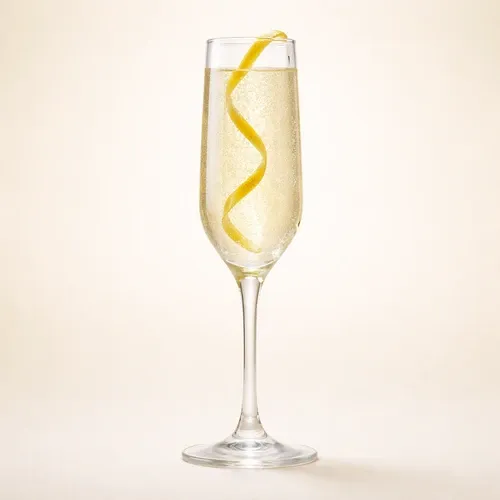
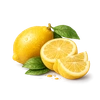
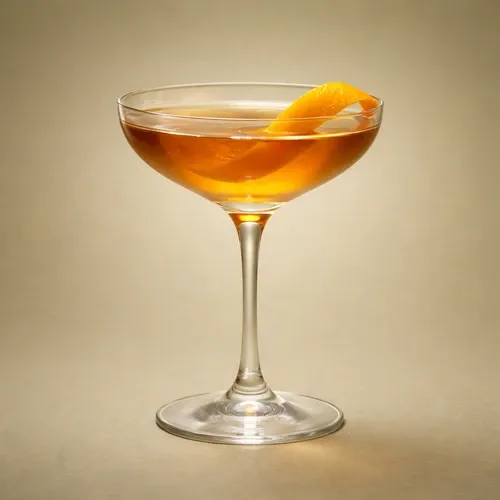
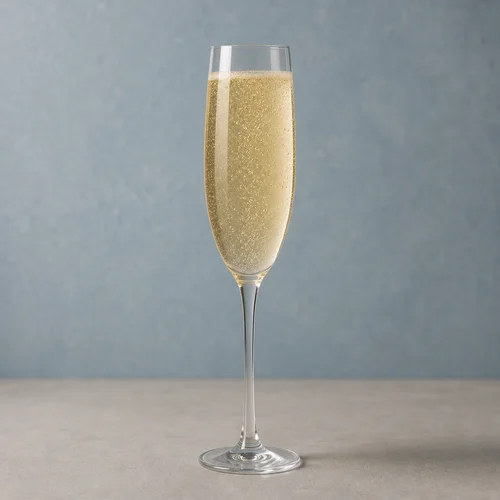
Serve in a Champagne flute with a pale, clear body, fine bubbles, and one lemon twist.
The French 75 should look elegant and sparkling, with Champagne lift and lemon aroma making the drink feel lighter than its strength suggests.
Food Pairings
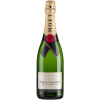
Pair it with oysters, seafood canapes, light charcuterie, fried shrimp, goat cheese, or delicate savory appetizers. Gin, lemon juice, sugar, Champagne, and lemon peel work best with salty, crisp, and lightly rich food.
Origins
The French 75 originated in the early 20th century and is commonly associated with World War I-era Paris.
Its name references the French 75mm field gun, a useful clue to the drink's character: sparkling and refined, but stronger than it looks.
Best Occasions
Best for celebrations, aperitif moments, formal gatherings, brunch, and any service where a sparkling cocktail should feel sharp, botanical, and more structured than plain Champagne.
Tasting Notes
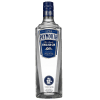
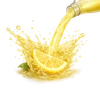
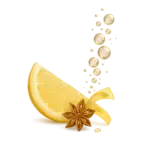
Gin gives botanicals, lemon juice adds crisp acidity, sugar softens the sour edge, Champagne brings bubbles and dryness, and lemon peel brightens the nose.
The finish should be sparkling, clean, and lightly bracing.
Style & Character
Elegant, celebratory, sparkling, sharp, and deceptively strong.
Variations
Adjust sugar carefully depending on the Champagne's dryness.
Keep gin, lemon juice, sugar, Champagne, and lemon peel in balance so the French 75 stays crisp rather than turning into a sweet sparkling sour.
Alcohol Strength
15%
⚠️ Alcoholic beverage: not suitable for minors, pregnant individuals, or designated drivers. Please enjoy responsibly.