Tajin
Non-Alcoholic (~0% ABV) Spices
Tajin is a Mexican chili-lime-salt seasoning used in cocktails for tangy spice, salinity, citrus impression, and colorful rim presentation.
Flavor & Technical
This section summarizes the sensory balance and technical behavior of Tajin when used in cocktails, combining perceived flavor intensity with functional roles.
Flavor balance and intensity
Technical characteristics
How Tajin works in cocktails
Tajin is analyzed here as a working cocktail ingredient: how it changes flavor, what role it plays in a build, when it should be substituted, and which recipe patterns it supports.
Flavor role in cocktail balance
Tajin is salty, tangy, mildly spicy, citrusy, and savory, with dried chili warmth and lime-like acidity. It is most often a rim or dusting ingredient rather than a liquid component, and it makes fruit , tequila , mezcal , beer , tomato , and citrus drinks taste brighter.
Best uses behind the bar
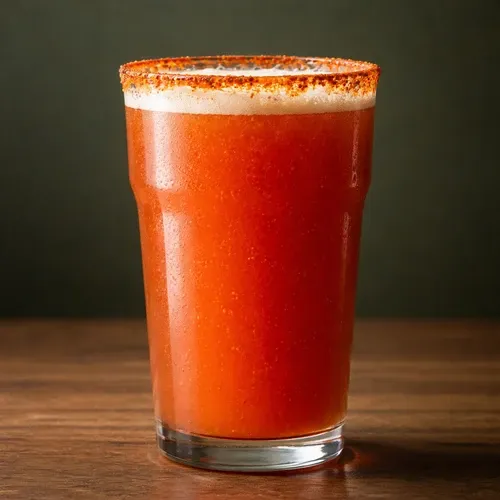
Used on rims for Margaritas, Palomas, Micheladas, fruit cocktails, spicy highballs, watermelon drinks, mango drinks, and non-alcoholic agua fresca-style serves.
Substitutes in cocktail builds
Chili powder plus lime zest and salt is closest. Chili salt gives heat and salt but less citrus. Cayenne plus salt is hotter and less complex. Chamoy adds sweetness and sauce texture.
Production and style context
Tajin originated in Mexico and has been a beloved seasoning for decades, enhancing the flavors of traditional dishes and becoming a staple in Mexican cuisine.
Mixology notes
Tajin was named after the ancient city of Tajín in Veracruz, Mexico, where the Totonac people cultivated chilies and vanilla . It has gained worldwide popularity for its unique flavor profile.
Cocktail using Tajin
The only cocktail in our collection that features Tajin as a key ingredient.