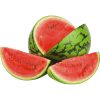
Watermelon
Non-Alcoholic (~0% ABV) Fresh Fruits (Solid/Garnish)
Watermelon is a water-rich fresh fruit used in cocktails for light sweetness, summer aroma, refreshing volume, pink color, and juicy texture.

Flavor & Technical
This section summarizes the sensory balance and technical behavior of Watermelon when used in cocktails, combining perceived flavor intensity with functional roles.
Flavor balance and intensity
Technical characteristics
How Watermelon works in cocktails
Watermelon is analyzed here as a working cocktail ingredient: how it changes flavor, what role it plays in a build, when it should be substituted, and which recipe patterns it supports.
Flavor role in cocktail balance
Watermelon is juicy, lightly sweet, low-acid, fresh, and cooling, with a subtle green rind aroma and high water content. It contributes volume and refreshment more than flavor intensity, so it typically requires lime , salt , mint , chili, tequila , rum , or sparkling mixers for structural balance.
Best uses behind the bar
Used in watermelon Margaritas, agua fresca-style drinks, summer punches, vodka coolers, rum highballs, frozen drinks, non-alcoholic coolers, and fruit-forward patio serves.
Substitutes in cocktail builds
Watermelon juice or puree is the closest substitute. Cantaloupe provides melon sweetness with more body. Cucumber combined with simple syrup offers watery freshness. Strawberry adds red fruit intensity but delivers less watery refreshment.
Production and style context
Watermelon is believed to have originated in Africa and has been cultivated for thousands of years. It spread to other regions and eventually became a popular fruit worldwide due to its flavor and hydrating properties.
Explore cocktails with Watermelon
Use these child hubs to compare Watermelon across repeated cocktail patterns instead of reading recipes one by one. Each link groups recipes by a different structural signal.

Cocktails using Watermelon
All cocktails in our collection that feature Watermelon as a core ingredient.
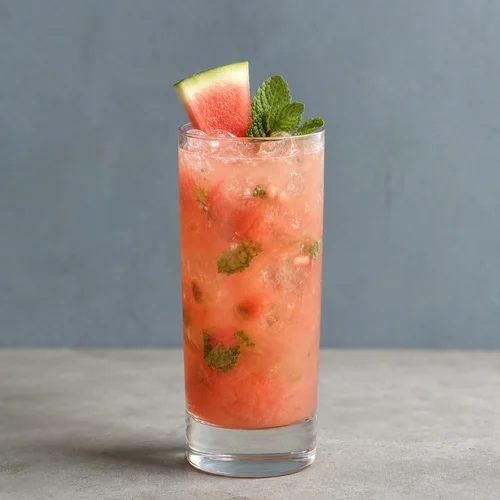
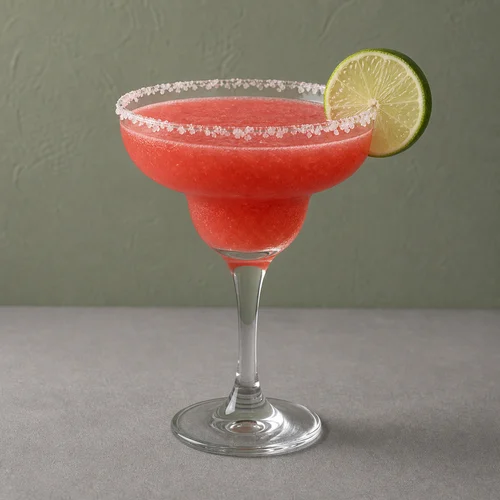
Smashed Watermelon Margarita


Ingredients for Smashed Watermelon Margarita — 5 total (3 shown, 2 more hidden).
+2

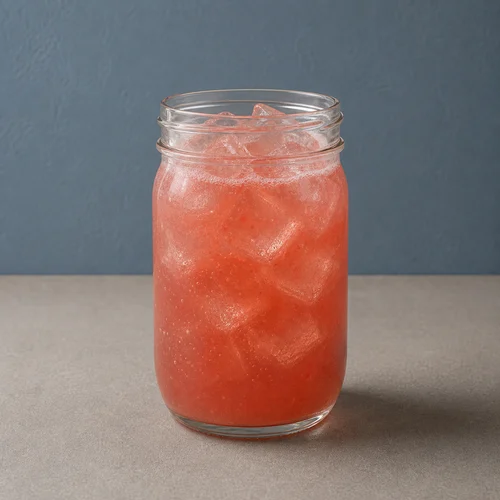
Watermelon Lemonade


Ingredients for Watermelon Lemonade — 4 total (3 shown, 1 more hidden).
+1