Espresso
Non-Alcoholic (~0% ABV) Non-Carbonated Mixers
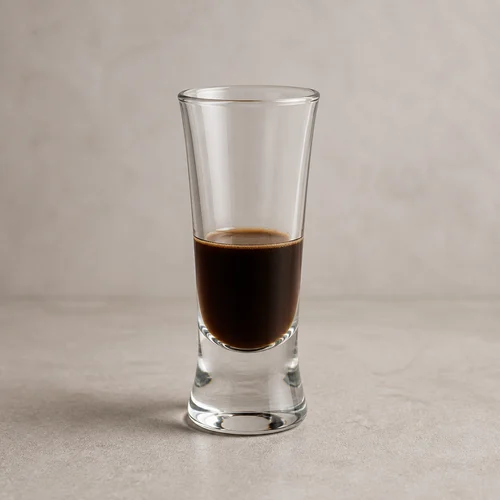
Espresso is a concentrated coffee preparation made by forcing hot water through finely ground coffee beans. In cocktails, it provides intense roasted coffee flavor, bitterness, and aromatic depth without sweetness.

Flavor & Technical
This section summarizes the sensory balance and technical behavior of Espresso when used in cocktails, combining perceived flavor intensity with functional roles.
Flavor balance and intensity
Technical characteristics
How Espresso works in cocktails
Espresso is analyzed here as a working cocktail ingredient: how it changes flavor, what role it plays in a build, when it should be substituted, and which recipe patterns it supports.
Flavor role in cocktail balance
Espresso delivers bold roasted coffee intensity with pronounced bitterness, subtle natural acidity, and dark chocolate-like notes. It is aromatic, dry, and powerful, contributing depth and contrast rather than sweetness.
Best uses behind the bar
Espresso is used in cocktails to add concentrated coffee flavor, bitterness, and aromatic depth, particularly in shaken drinks. It is commonly paired with vodka , rum , cream , coffee liqueurs, and sweeteners to create balanced, dessert-style or after-dinner cocktails.
Substitutes in cocktail builds
Strong brewed coffee or cold brew concentrate can substitute for espresso in cocktails, though with reduced intensity. Instant espresso powder dissolved in hot water may also be used when fresh espresso is unavailable.
Production and style context
Espresso originated in Italy in the late 19th and early 20th centuries with the development of early espresso machines, including Angelo Moriondo's 1884 patent. Its speed, concentration, and intensity made it a defining element of modern coffee culture.
Mixology notes
Espresso contains a natural foam called crema, formed by emulsified oils and trapped gases. In cocktails, espresso should be used fresh to avoid bitterness and flat aromas, as oxidation quickly dulls its flavor.
Similar ingredients (by flavor & function)
Ingredients listed here share similar flavor characteristics or functional roles with Espresso, making them comparable in certain cocktail contexts.
Comparable in recipe usage, but structured flavor data is incomplete for this ingredient.
Explore cocktails with Espresso
Use these child hubs to compare Espresso across repeated cocktail patterns instead of reading recipes one by one. Each link groups recipes by a different structural signal.
By preparation method
Preparation method shows how Espresso behaves under technique: shaken for integration, stirred for clarity, built for direct length, heated for warmth, or blended for texture.

By glass
Glassware reveals serving format and dilution strategy for Espresso, separating short, spirit-led serves from tall, warm, frozen, or lengthened drinks.


Cocktails using Espresso
All cocktails in our collection that feature Espresso as a core ingredient.
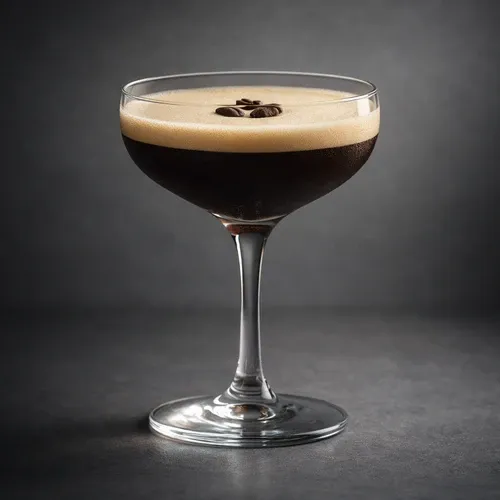

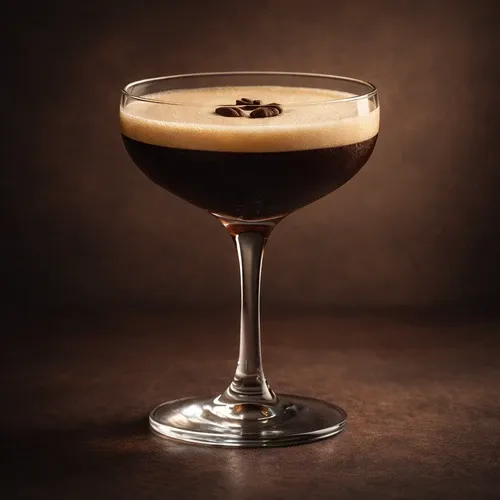
Espresso Rumtini
Ingredients for Espresso Rumtini — 5 total (3 shown, 2 more hidden).
+2
Melya


Ingredients for Melya — 3 total (3 shown).