Egg Yolk
Non-Alcoholic (~0% ABV) Dairy & Eggs
Egg yolk is the fat- and lecithin-rich portion of an egg used in mixology to add richness, body, and emulsifying power. Unlike egg white, it contributes weight and creaminess rather than foam, creating a dense, custard-like texture when properly integrated.

Flavor & Technical
This section summarizes the sensory balance and technical behavior of Egg Yolk when used in cocktails, combining perceived flavor intensity with functional roles.
Flavor balance and intensity
Technical characteristics
How Egg Yolk works in cocktails
Egg Yolk is analyzed here as a working cocktail ingredient: how it changes flavor, what role it plays in a build, when it should be substituted, and which recipe patterns it supports.
Flavor role in cocktail balance
Egg yolk adds mild savory richness with subtle sweetness and pronounced creaminess. Its primary contribution is textural: increased viscosity, roundness, and a silky mouthfeel that softens alcohol heat and integrates flavors. Aroma impact is minimal, while bitterness and acidity remain negligible.
Best uses behind the bar
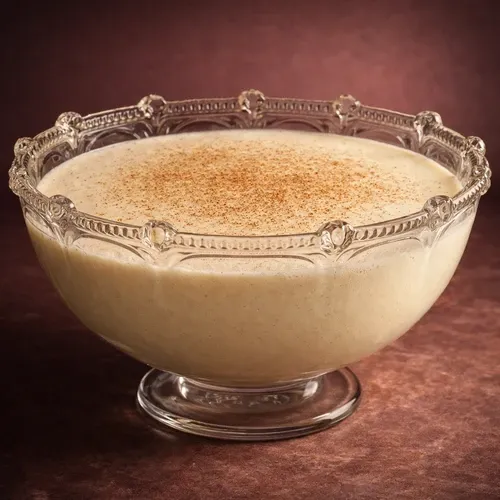
Used as a richness and emulsification agent in egg-forward preparations to build body and custard-like texture. Egg yolk is typically shaken with spirits, sweeteners, and sometimes dairy to create dense, integrated structures where weight and smoothness are desired rather than foam.
Substitutes in cocktail builds
Heavy cream can substitute for richness and body but lacks the emulsifying power of egg yolk. Coconut cream provides similar weight with distinct flavor impact. Aquafaba does not replicate yolk richness and functions primarily as a foaming agent rather than a fat-based emulsifier.
Production and style context
Egg yolk has been used in mixed drinks since early cocktail culture, particularly in flips and dairy-adjacent preparations where richness and caloric weight were valued. Its role evolved alongside the development of shaking techniques capable of fully emulsifying fats into alcohol.
Mixology notes
The emulsifying strength of egg yolk comes from lecithin, which allows fats and liquids to combine smoothly. This makes egg yolk effective at producing stable, creamy textures even in the presence of alcohol, where many emulsions would otherwise break.
Similar ingredients (by flavor & function)
Ingredients listed here share similar flavor characteristics or functional roles with Egg Yolk, making them comparable in certain cocktail contexts.

Comparable in recipe usage, but structured flavor data is incomplete for this ingredient.
Comparable in recipe usage, but structured flavor data is incomplete for this ingredient.
Explore cocktails with Egg Yolk
Use these child hubs to compare Egg Yolk across repeated cocktail patterns instead of reading recipes one by one. Each link groups recipes by a different structural signal.
By preparation method
Preparation method shows how Egg Yolk behaves under technique: shaken for integration, stirred for clarity, built for direct length, heated for warmth, or blended for texture.

By glass
Glassware reveals serving format and dilution strategy for Egg Yolk, separating short, spirit-led serves from tall, warm, frozen, or lengthened drinks.


Cocktails using Egg Yolk
All cocktails in our collection that feature Egg Yolk as a core ingredient.