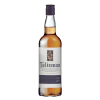
Blended Scotch
Alcoholic (~≈40% ABV) Spirits
Blended Scotch whisky is a balanced combination of malt and grain whiskies crafted to achieve consistency, smoothness, and versatility. Designed to be approachable yet structured, it offers a harmonized profile suitable for both mixing and sipping.

Flavor & Technical
This section summarizes the sensory balance and technical behavior of Blended Scotch when used in cocktails, combining perceived flavor intensity with functional roles.
Flavor balance and intensity
Technical characteristics
How Blended Scotch works in cocktails
Blended Scotch is analyzed here as a working cocktail ingredient: how it changes flavor, what role it plays in a build, when it should be substituted, and which recipe patterns it supports.
Flavor role in cocktail balance
Blended Scotch presents a smooth, integrated profile featuring light malt sweetness, subtle grain character, gentle oak, and restrained spice. Clean cereal-forward notes emerge alongside hints of biscuit or shortbread, paired with soft orchard fruit such as apple and pear. Smokiness, when present, typically functions as a minimal supporting accent derived from a small proportion of peated malt rather than a dominant trait. The overall mouthfeel is rounded and clean, making it adaptable across a wide range of cocktail styles.
Best uses behind the bar
Blended Scotch functions as a balanced whisky base in spirit-forward builds and lengthened drinks where structure and consistency are required without overpowering smoke or malt intensity. It performs well in stirred preparations following the whisky-and-fortified-wine template, such as Manhattan-style structures, and in modern builds that employ a split approach—using a clean blended base for primary structure while adding a small peated component separately to contribute a smoky top note.
Substitutes in cocktail builds
Irish whiskey is often the closest functional substitute when a smooth, mix-friendly profile is needed, preserving neutrality and drinkability with minimal disruption to balance. Single malt Scotch can replace blended Scotch when additional character is desired, though the result will be more expressive and less neutral. Bourbon may function structurally in some recipes but will noticeably increase sweetness and vanilla-oak character, making it a stylistic substitution rather than a direct equivalent.
Production and style context
Blended Scotch whisky emerged in the 19th century as blenders began combining malt and grain whiskies to create consistent, scalable, and more approachable products. This innovation helped define Scotch whisky as a global category and remains the dominant style by volume worldwide.
Mixology notes
Blended Scotch accounts for the vast majority of Scotch whisky sold globally. Its success lies in precise blending techniques that allow producers to maintain a consistent flavor profile year after year despite natural variation in individual casks.
Cocktails using Blended Scotch
All cocktails in our collection that feature Blended Scotch as a core ingredient.
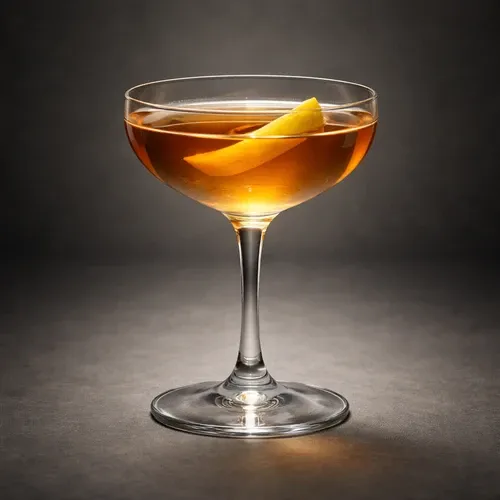
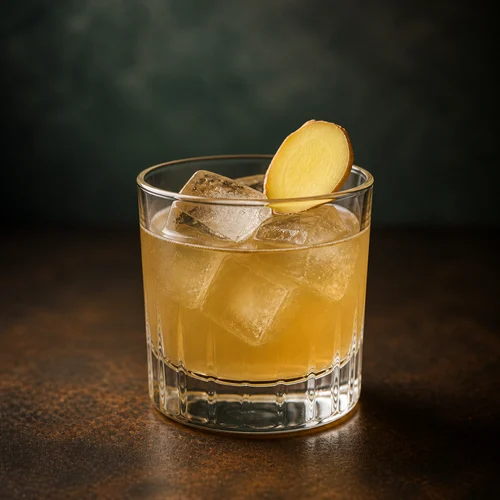
Loch Lomond


Ingredients for Loch Lomond — 4 total (3 shown, 1 more hidden).
+1