Ruby Port
Alcoholic (~20% ABV) Wines & Fortified Wines
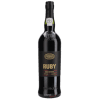
Ruby Port is a fruit-forward style of Port from Portugal's Douro Valley, known for its deep red color, rich sweetness, and minimal oxidative character.
Flavor & Technical
This section summarizes the sensory balance and technical behavior of Ruby Port when used in cocktails, combining perceived flavor intensity with functional roles.
Flavor balance and intensity
Technical characteristics
How Ruby Port works in cocktails
Ruby Port is analyzed here as a working cocktail ingredient: how it changes flavor, what role it plays in a build, when it should be substituted, and which recipe patterns it supports.
Flavor role in cocktail balance
Ruby Port is the freshest, most fruit-driven expression of Port , built around ripe dark berries , plum-like richness, and pronounced sweetness with noticeable alcoholic warmth. Oxidation remains minimal compared to tawny styles, preserving a vibrant, jammy profile rather than nutty complexity. Spice notes may appear as background warmth, while acidity stays supportive and secondary to sweetness and fruit concentration.
Best uses behind the bar
Ruby Port functions as a sweet fortified wine modifier, adding dark-fruit depth, richness, and sweetness with minimal oxidative character. It increases body and warmth in mixed builds, supports dessert-leaning compositions, and serves well as an after-dinner pour where fruit intensity is preferred over oxidative complexity.
Substitutes in cocktail builds
Other Port styles can substitute when a fortified-wine base is required, though tawny expressions introduce more nutty oxidation and less fresh fruit . Madeira or Marsala can approximate richness but typically shift balance toward higher acidity or different caramelized notes. As a rough approximation, a fruit-forward red wine with added fortifying spirit can mimic body and warmth, though it lacks Port's integrated sweetness and texture.
Production and style context
Ruby Port developed within the broader Port tradition that emerged in Portugal's Douro Valley during the 17th century. Produced to preserve a vivid, fruit-forward character through shorter aging, it became a popular and widely exported style alongside more oxidative expressions.
Mixology notes
Ruby Port is typically aged for a relatively short period in large vessels to minimize oxidation and preserve its vibrant color and fresh fruit profile. Its name refers to its deep ruby hue rather than a specific grape variety.
Cocktail using Ruby Port
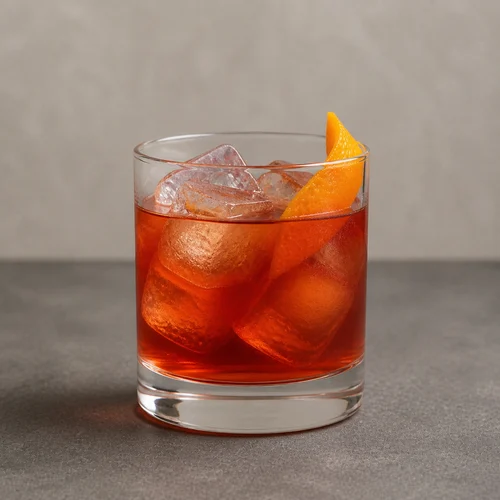
The only cocktail in our collection that features Ruby Port as a key ingredient.